
Supreme Court Upholds Block on Mail Ballot Verification Rules
Cover image from foxnews.com, which was analyzed for this article
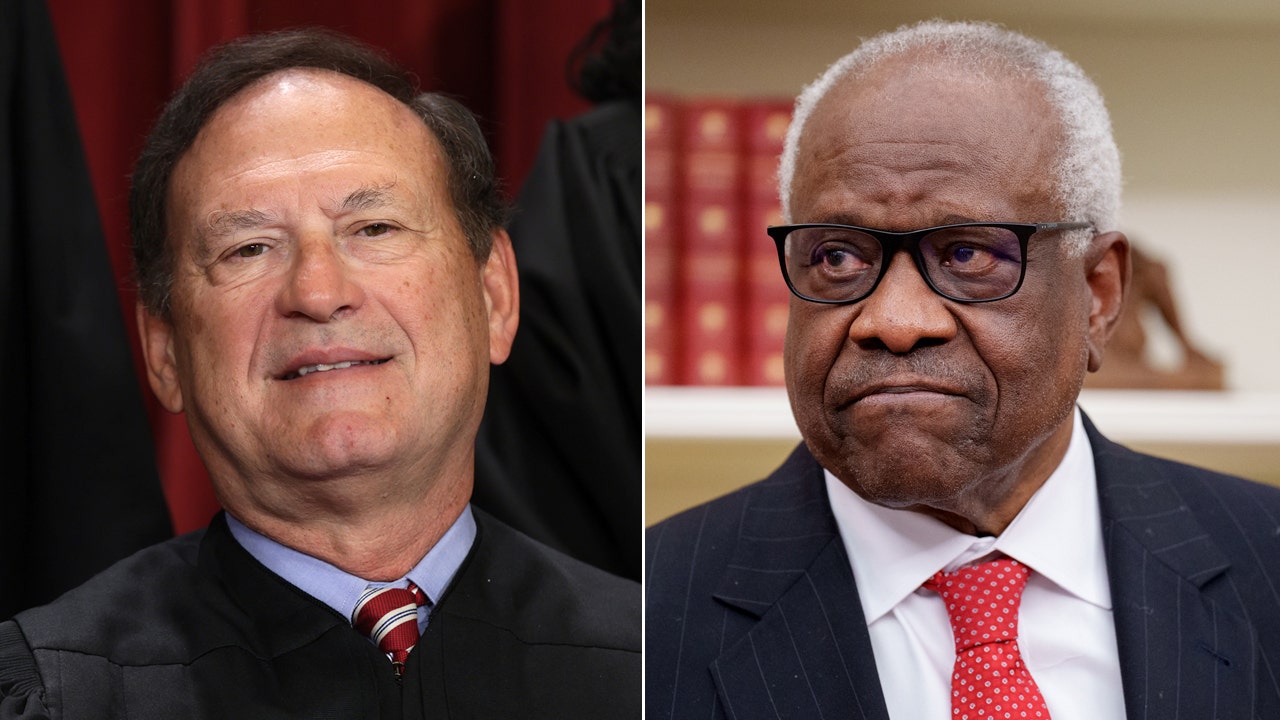
The Supreme Court rejected the Trump administration's plan to restrict mail-in voting for the midterms in an unsigned decision. Justices Alito and Thomas dissented, while lower courts had already ruled against parts of the proposal.
PoliticalOS
Tuesday, September 15, 2026 — Politics
The Court’s unsigned order leaves existing mail-ballot procedures in place for the midterms because the administration is unlikely to prevail on the current injunction. The underlying questions of Postal Service authority and constitutional allocation of election power remain open for later litigation.
What outlets missed
Most coverage omitted Alito’s detailed statutory analysis that the Administrative Procedure Act exempts Postal Service rulemaking from judicial review and that challengers must therefore meet the narrow ultra vires standard. Few outlets noted that the Postal Service had previously used barcode and tracking systems for other mail classes or that some Republican state election officials had warned of implementation risks. The specific language of the executive order directing citizenship-list verification received little direct quotation across outlets.
The Supreme Court on Monday left in place a lower-court order preventing the U.S. Postal Service from enforcing new mail-ballot verification requirements weeks before the November midterms. The unsigned order means states may continue using existing procedures that already account for roughly one-third of all ballots cast nationwide.
States including Alabama, North Carolina and Wisconsin had begun mailing ballots under prior rules. The administration’s March 2026 executive order directed the Postal Service to require standardized envelopes with unique barcodes and to cross-check voter lists through a federal portal before delivery. Challengers argued the changes could not be implemented in time without risking disenfranchisement.
Justice Brett Kavanaugh concurred in the result, writing that while the Postal Service likely possessed statutory authority, applying the rule this close to the election would be arbitrary and capricious under the Administrative Procedure Act. Justices Samuel Alito and Clarence Thomas dissented, contending that several plaintiffs lacked standing and that the underlying claims amounted to an ultra vires challenge unlikely to succeed given Congress’s broad grant of authority to the Postal Service.
The dispute returns to the lower courts. Eight states plus the District of Columbia already conduct all elections by mail; the remaining states use the method for varying portions of their electorate. No final ruling on the constitutional or statutory merits of the verification system has been issued.
More in Politics

McConnell Returns to Senate After Three-Month Absence
Senate Minority Leader Mitch McConnell resumed duties after a three-month absence, sparking online discussion and questions about his condition and role ahead of midterms.

Poll Shows Democrats Lead by 8 Points Amid Trump Unpopularity
A New York Times/Siena poll shows Democrats building an edge as Trump drags down Republican candidates. House Democrats are expanding their target list in key races.

Pentagon Report Flags Munitions Shortfalls After Iran Operations
Pentagon reports reveal hundreds of damaged US structures and a munitions shortfall from the Iran war, with warnings of industrial bottlenecks and high financial costs.

House Democrat probes Russian funding claims for Trump Jr. event
Reports on funding for Donald Trump Jr.'s wedding, including possible foreign ties, have triggered probes by House Democrats and scrutiny over potential violations.
The Compass
You just read five takes on one story.
What's your take? Find your political shape in a few minutes.
Take the test