
Supreme Court Upholds New Hampshire Student ID Voting Ban

Cover image from independent.co.uk, which was analyzed for this article
The Supreme Court upheld New Hampshire's ban on student IDs as valid voter identification just before midterms, affecting a tight Senate race.
PoliticalOS
Friday, October 23, 2026 — Politics
The Supreme Court acted on narrow procedural grounds to avoid disrupting an imminent election, leaving New Hampshire's stricter voter ID requirements in place for now. The underlying dispute over whether student IDs should count as valid identification continues in lower courts without a final merits ruling.
What outlets missed
Neither outlet provided data on the number of New Hampshire voters who previously relied on student IDs as backup identification or any documented cases of fraud involving those IDs. The articles also omitted the specific vote margins or polling figures that establish the Senate race as tight. No reporting addressed whether other states have adopted similar restrictions on student IDs or how New Hampshire's standards compare to those elsewhere.
New Hampshire voters heading to the polls in a closely contested U.S. Senate race must now present government-issued identification that meets stricter state standards after the Supreme Court on October 23 permitted officials to exclude student IDs. The ruling leaves in place a law signed by Gov. Kelly Ayotte in April that removed student IDs from the list of expressly valid forms of identification and took effect June 2. A district judge had earlier required election officials to consider student IDs alongside other evidence when voters lacked primary identification, but the justices stayed that order under the Purcell Principle, which cautions against last-minute changes that risk confusing voters and administrators.
The majority opinion stated that the district court had not identified any justification for deviating from the principle, citing recent litigation over Missouri redistricting maps. Justice Ketanji Brown Jackson dissented alone, arguing that an injunction correcting material misrepresentations about election rules prevents rather than creates confusion and that the lower court order should have remained in effect. The decision is procedural and does not resolve the underlying challenge to the law.
New Hampshire Attorney General John Formella, a Republican, said the ruling protects the integrity of elections by ensuring laws are applied as written and prevents uncertainty for voters and officials. State Rep. Donald McFarlane, who sponsored the legislation, stated that academic institutions do not apply the same credentialing standards as government agencies and that students remain able to obtain free state-issued IDs. The secretary of state had issued guidance and conducted trainings after the law took effect. Litigation over the statute continues in lower courts.
More in Politics

Trump Defends Ramaswamy Ad Using Estranged Mother in Ohio Race
President Trump defended a GOP nominee's ad featuring a Democratic opponent's estranged mother, calling it powerful, while drawing criticism from some Republicans including Ohio Gov. Mike DeWine. The ad has sparked internal GOP tensions ahead of midterms.
Federal Raid Targets Omar Amid Unresolved Name and Marriage Allegations
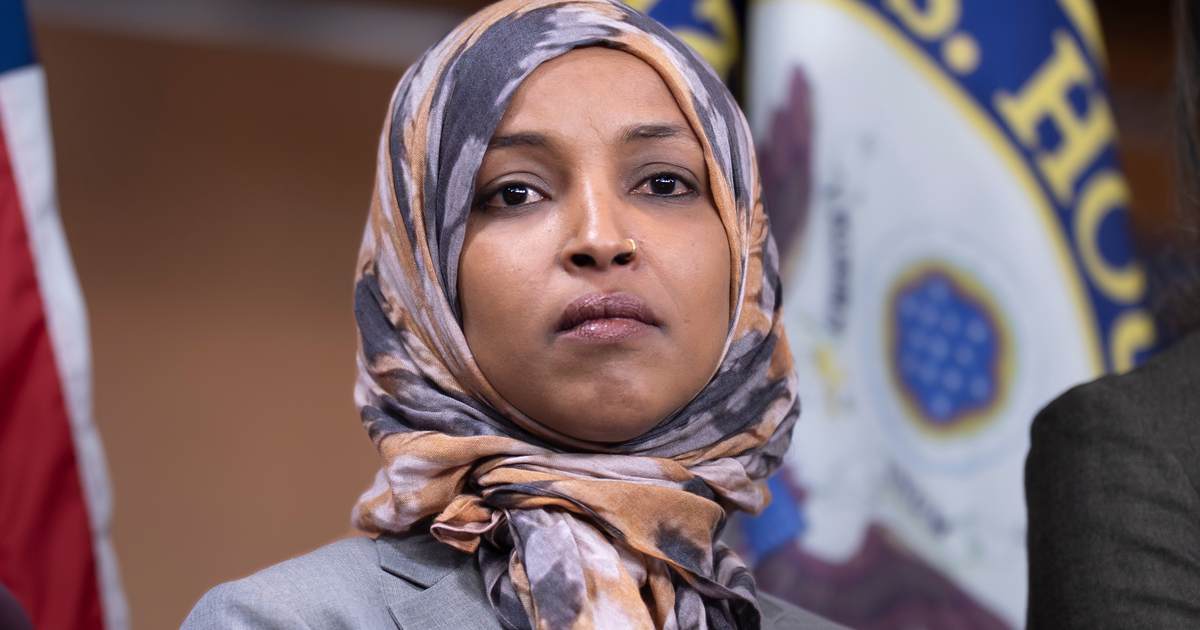
Agents searched Rep. Ilhan Omar's DC residence over immigration fraud allegations; she called it bizarre. Reports and commentary questioned her birth name and past marriage details.
Early Voting Hits 21 Million as Most Trust Midterm Accuracy
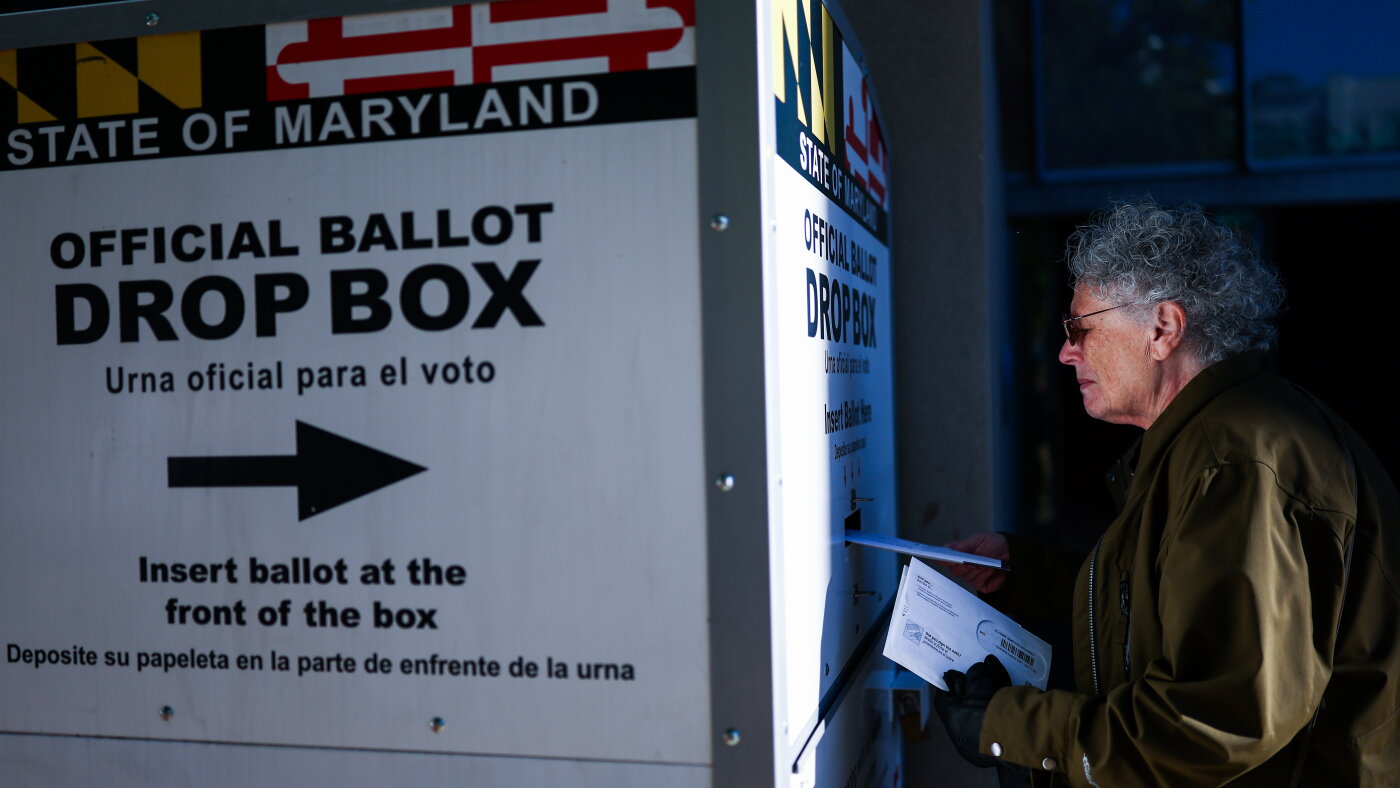
Millions have already voted early as parties make final appeals amid $1.4 billion in ad spending; polls show confidence in election accuracy.

Trump administration charges 28 in California over alleged immigrant voter fraud
Federal authorities charged over two dozen legal permanent residents with illegal voting or registration ahead of elections.
The Compass
You just read five takes on one story.
What's your take? Find your political shape in a few minutes.
Take the test