
September Jobs Gain Misses Forecasts at 29,000
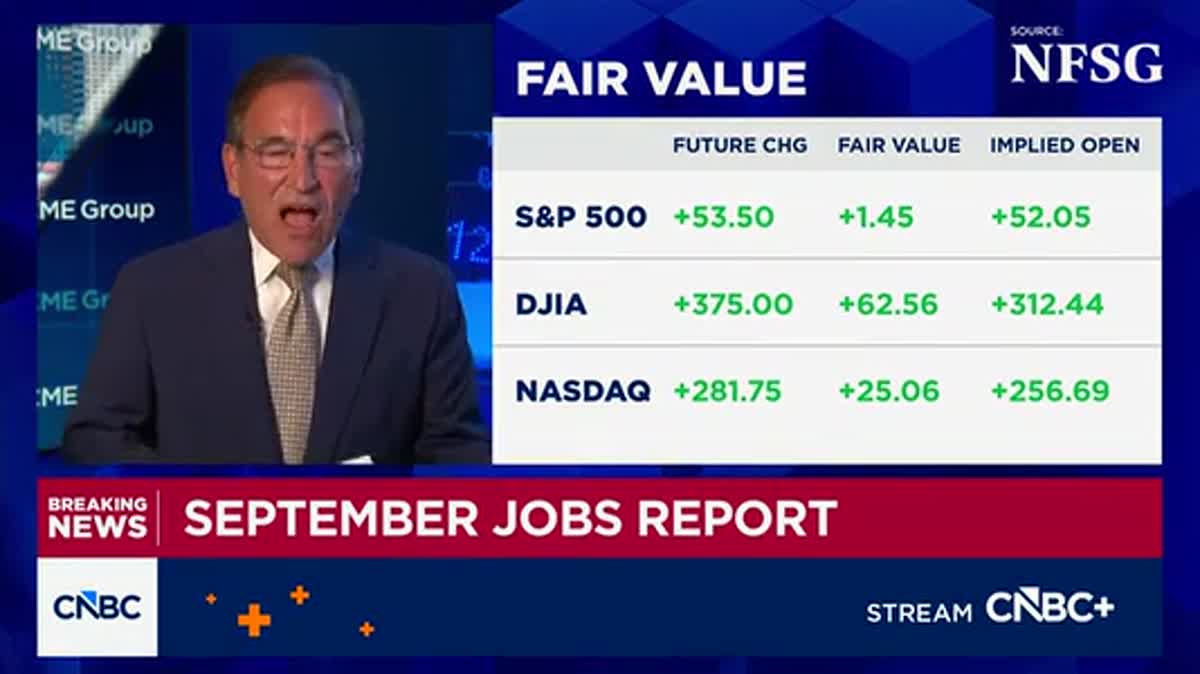
Cover image from crooksandliars.com, which was analyzed for this article
The U.S. added just 29,000 jobs with unemployment rising to 4.2% and prior months revised lower. Wage growth slowed, signaling a cooling labor market.
PoliticalOS
Saturday, October 3, 2026 — Business
The September report showed the weakest job growth in months alongside slower wage gains and downward revisions, raising the prospect that the Federal Reserve will maintain tighter policy even as political pressure for rate cuts continues.
What outlets missed
Neither outlet provided the full Bureau of Labor Statistics release link or raw sector breakdowns such as manufacturing or leisure gains and losses. The Washington Examiner omitted any mention of the 4.2 percent unemployment rate or the precise wage-growth miss. Crooks and Liars did not include context on how prior administrations handled similar revisions or the historical frequency of 29,000-job months.
The U.S. labor market cooled sharply in September as employers added only 29,000 jobs, well below the 90,000 expected. Unemployment rose to 4.2 percent while earlier months were revised down by a combined 60,000 positions. Average hourly earnings rose just 0.1 percent month over month, the smallest gain of the year.
Bureau of Labor Statistics data released October 2 showed the two-month downward revision totaling 60,000. Wage growth that had been running at 0.3 percent slowed to 0.1 percent, matching the weakest reading since April of the prior year. The report follows four months of Kevin Warsh’s tenure as Federal Reserve chairman.
Warsh took office pledging an independent policy focused on the central bank’s dual mandate of stable prices and maximum employment. Markets now price in a higher likelihood that the Fed will keep rates elevated or raise them further to address persistent inflation, even as political pressure favors lower rates.
CNBC commentator Rick Santelli called the print a “big, big miss,” noting the gap between forecasts and the actual outcome plus the wage slowdown. White House economic adviser Kevin Hassett described the figures as consistent with a resilient economy.
The data leave open whether the slowdown reflects normal cooling after years of tight labor markets or signals a broader weakening that could affect consumer spending and Fed decisions in coming months.
More in Business & Economy

Major Banks Deliver Mixed Q3 Results on Trading Beats
JPMorgan, Goldman Sachs, Citigroup, and Wells Fargo reported Q3 figures, with revenue beats in trading but some estimate misses. CNBC provided live updates on the results and market reactions.

Oil Falls on Russian Diesel Outlook Despite Geopolitical Risks
Dow futures rose while Nasdaq faced pressure from tech weakness and elevated oil after geopolitical spikes. CNBC tracked premarket moves tied to earnings and Fed speeches.

Hall and Woodford Win Economics Nobel for Stabilization Models
American economists Robert E. Hall and Michael Woodford won the Nobel memorial prize for their research on managing economies through booms and busts, informing central bank policies on inflation and unemployment.

Skydance Closes Paramount-Warner Bros. Discovery Deal
The long-delayed media mega-merger cleared hurdles and began operations under Skydance, consolidating Hollywood power. Center and center-left outlets track the regulatory and business milestones.
The Compass
You just read five takes on one story.
What's your take? Find your political shape in a few minutes.
Take the test