
September Jobs Gain Misses Forecasts at 29,000
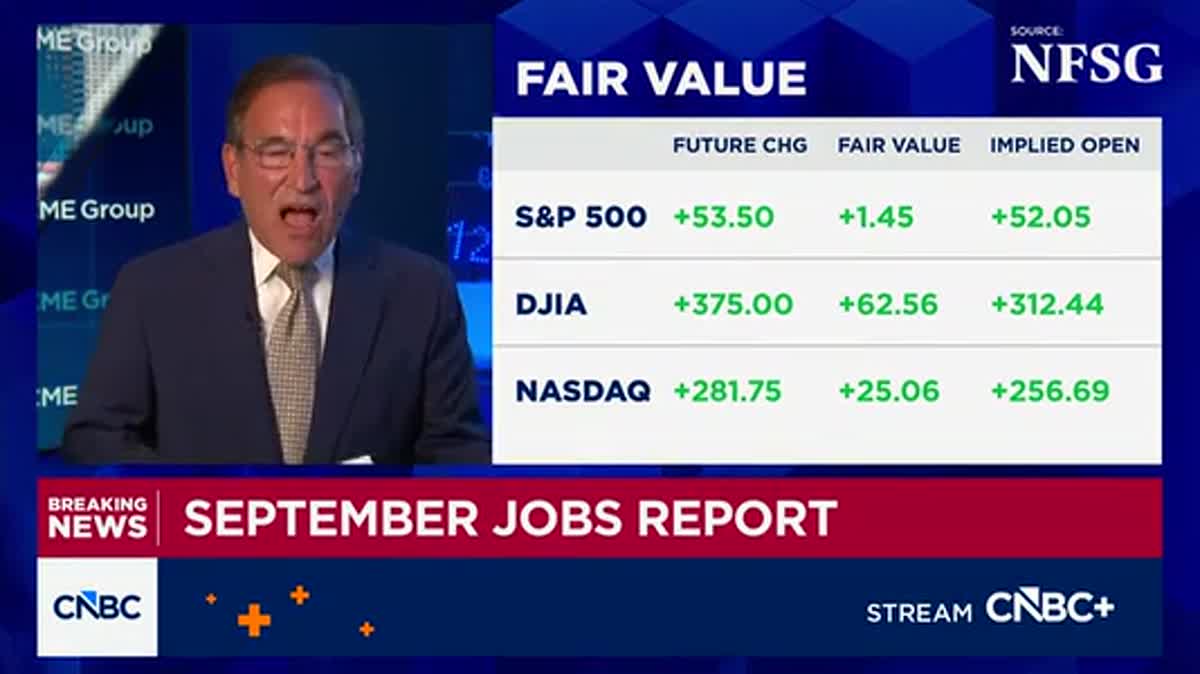
Cover image from crooksandliars.com, which was analyzed for this article
The U.S. added just 29,000 jobs with unemployment rising to 4.2% and prior months revised lower. Wage growth slowed, signaling a cooling labor market.
PoliticalOS
Saturday, October 3, 2026 — Business
The September report showed the weakest job growth in months alongside slower wage gains and downward revisions, raising the prospect that the Federal Reserve will maintain tighter policy even as political pressure for rate cuts continues.
What outlets missed
Neither outlet provided the full Bureau of Labor Statistics release link or raw sector breakdowns such as manufacturing or leisure gains and losses. The Washington Examiner omitted any mention of the 4.2 percent unemployment rate or the precise wage-growth miss. Crooks and Liars did not include context on how prior administrations handled similar revisions or the historical frequency of 29,000-job months.
September Jobs Data Underscores Limits of Policy Interventions
The September employment report revealed significantly weaker job creation than anticipated, with only 29,000 positions added compared to expectations of 90,000. Revisions to prior months subtracted another 60,000 jobs, marking the lightest reading since July. Average hourly earnings rose just 0.1 percent month over month, falling short of the projected 0.3 percent gain and registering among the smallest increases of the year.
Market observers such as CNBC commentator Rick Santelli highlighted these shortfalls as evidence that underlying labor demand has softened more than surface statistics previously indicated. The data arrived amid ongoing debates over the Federal Reserve's next steps under new Chairman Kevin Warsh, who assumed the role four months earlier with commitments to greater independence and a focus on avoiding repeated policy errors.
Warsh has emphasized resisting external pressures for lower rates while inflation remains elevated. The combination of subdued hiring and persistent price pressures leaves the central bank in a familiar position of weighing employment trends against the risk that loose monetary conditions could entrench higher costs. Historical patterns show that attempts to fine-tune growth through sustained stimulus often produce delayed distortions rather than durable expansion.
Wage growth that fails to keep pace with living costs further illustrates how nominal gains can mask real declines in purchasing power. Such outcomes align with longstanding observations that government efforts to direct economic activity through spending or rate manipulation frequently generate unintended consequences, including reduced incentives for productive investment. The recent report's downward revisions suggest earlier figures overstated momentum, a common feature when statistical agencies adjust for seasonal or reporting anomalies.
Warsh's stated priority on ethical standards and market credibility points to a deliberate shift away from political influence on monetary decisions. Past episodes demonstrate that yielding to demands for easier credit to support short-term employment targets has contributed to cycles of inflation followed by corrective tightening. With inflation described as sticky, the Fed appears positioned to maintain or increase rates until clearer evidence emerges that price stability has been restored.
These developments occur against a backdrop where administration officials have sought to portray economic conditions favorably, yet the empirical record shows hiring and compensation metrics lagging projections. Sound analysis requires separating temporary fluctuations from structural signals about labor market health and the broader effects of fiscal and regulatory environments. Markets will continue to price in the likelihood of higher borrowing costs as long as inflation data fails to moderate consistently.
You just read Conservative's take. Want to read what actually happened?
More in Business & Economy

Business Activity Holds Up as Selling Prices Rise Fastest Since 2022
S&P Global PMI shows robust activity but selling prices rise at fastest pace since 2022 amid energy and supply chain costs. Halloween candy prices jump 7.7%.

Stock Futures Climb on Anthropic IPO Filing and AI Financing
Major indices rose on enthusiasm from Anthropic's IPO filing and broader AI infrastructure announcements including Meta's massive fundraising plans. Investors are betting heavily on continued AI growth despite valuation concerns.

Tariffs and AI Transition Fuel Growth and Job Worries
Trump's tariff rhetoric and AI-driven restructuring raised concerns about growth, inflation, and job impacts as markets reacted to geopolitical and tech shifts.

AI Companies Weigh Early IPOs as Risks Mount
Nasdaq fell sharply amid concerns over AI spending sustainability and data center costs; Nvidia, Meta, and others were hit as Meta and Tesla reported earnings.
The Compass
You just read five takes on one story.
What's your take? Find your political shape in a few minutes.
Take the test