
September Jobs Gain Misses Forecasts at 29,000
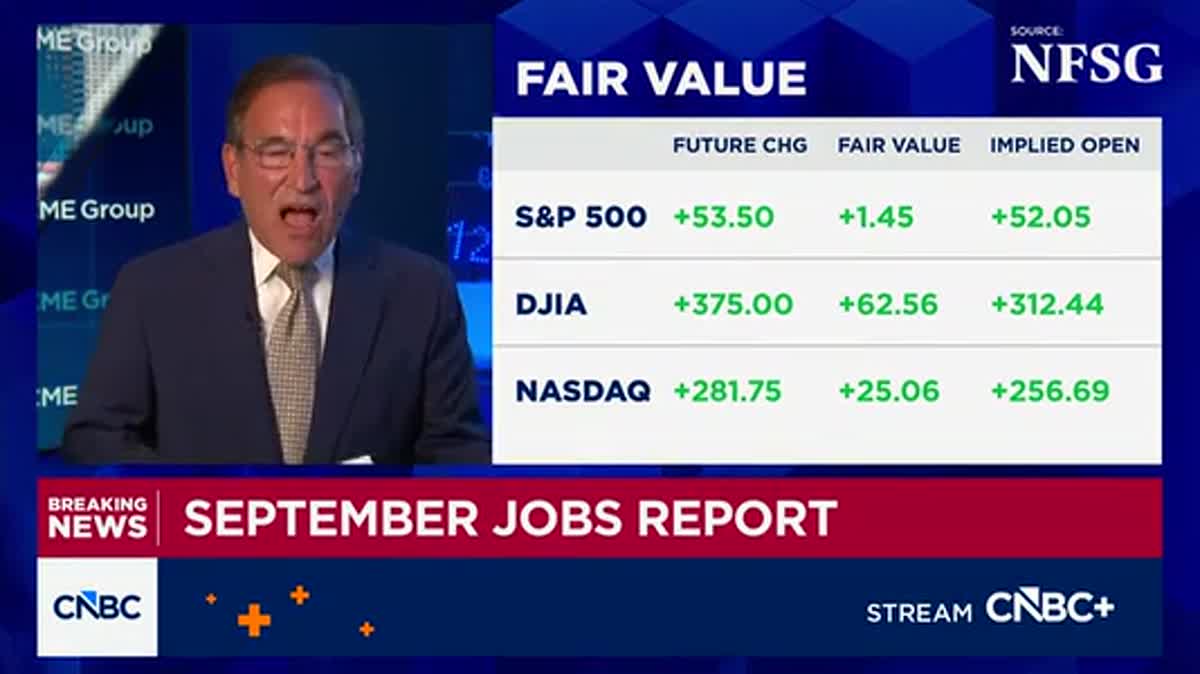
Cover image from crooksandliars.com, which was analyzed for this article
The U.S. added just 29,000 jobs with unemployment rising to 4.2% and prior months revised lower. Wage growth slowed, signaling a cooling labor market.
PoliticalOS
Saturday, October 3, 2026 — Business
The September report showed the weakest job growth in months alongside slower wage gains and downward revisions, raising the prospect that the Federal Reserve will maintain tighter policy even as political pressure for rate cuts continues.
What outlets missed
Neither outlet provided the full Bureau of Labor Statistics release link or raw sector breakdowns such as manufacturing or leisure gains and losses. The Washington Examiner omitted any mention of the 4.2 percent unemployment rate or the precise wage-growth miss. Crooks and Liars did not include context on how prior administrations handled similar revisions or the historical frequency of 29,000-job months.
Weak September Jobs Data Sparks Fresh Concerns for Workers
The September employment report delivered disappointing results that fell well short of expectations and highlighted ongoing struggles in the labor market. CNBC's Rick Santelli, known for his blunt assessments on the trading floor, described the figures as a significant letdown. Private sector job gains came in at just 29,000 against forecasts of 90,000. Revisions to prior months subtracted another 60,000 positions, marking one of the weakest stretches in recent data.
Hourly earnings growth also missed projections. Analysts had anticipated a 0.3 percent monthly increase, but the actual reading showed only 0.1 percent. That pace matches the slowest gains recorded earlier in the year and signals limited progress for typical households facing higher costs across the board. Santelli pointed out that such muted wage growth has not been seen at this level since last year.
These numbers arrive as the Federal Reserve prepares for another interest rate increase. Incoming Chairman Kevin Warsh has signaled a commitment to tackling persistent inflation, even as President Trump has pushed for lower rates to support expansion. Warsh has positioned himself as independent from political pressure, echoing past central bank leaders who prioritized inflation control over immediate economic relief.
Administration officials have sought to frame the report in positive terms. Economic advisor Kevin Hassett emphasized certain aspects of the data during appearances on friendly networks. Yet the overall picture shows job creation lagging and revisions pulling prior gains lower, trends that directly affect working families rather than abstract models.
The Federal Reserve's approach has drawn criticism from those who argue that weak employment figures should prompt caution rather than tighter policy. Some observers note that central bankers appear comfortable with softer labor markets as a tool against price pressures. This dynamic leaves average Americans caught between slower hiring and rising borrowing costs on homes, cars, and credit.
Santelli highlighted how the light wage increase stands out as particularly telling. A thriving economy typically generates stronger compensation growth alongside solid job additions. Instead, the data reflects revisions that erase earlier optimism and point to an environment where businesses are adding positions at a cautious pace.
Public reaction has focused on the real-world effects. Lower job creation means fewer opportunities in manufacturing, construction, and service sectors that employ millions outside elite financial circles. Wage stagnation compounds the issue when everyday expenses continue climbing.
The combination of soft payrolls and the Fed's rate path suggests the recovery remains uneven. Policymakers in Washington and at the central bank continue debating the right balance, but the latest report underscores that many households are still waiting for meaningful improvement in take-home pay and employment stability.
You just read America First's take. Want to read what actually happened?
More in Business & Economy

Business Activity Holds Up as Selling Prices Rise Fastest Since 2022
S&P Global PMI shows robust activity but selling prices rise at fastest pace since 2022 amid energy and supply chain costs. Halloween candy prices jump 7.7%.

Stock Futures Climb on Anthropic IPO Filing and AI Financing
Major indices rose on enthusiasm from Anthropic's IPO filing and broader AI infrastructure announcements including Meta's massive fundraising plans. Investors are betting heavily on continued AI growth despite valuation concerns.

Tariffs and AI Transition Fuel Growth and Job Worries
Trump's tariff rhetoric and AI-driven restructuring raised concerns about growth, inflation, and job impacts as markets reacted to geopolitical and tech shifts.

AI Companies Weigh Early IPOs as Risks Mount
Nasdaq fell sharply amid concerns over AI spending sustainability and data center costs; Nvidia, Meta, and others were hit as Meta and Tesla reported earnings.
The Compass
You just read five takes on one story.
What's your take? Find your political shape in a few minutes.
Take the test