
September Jobs Gain Misses Forecasts at 29,000
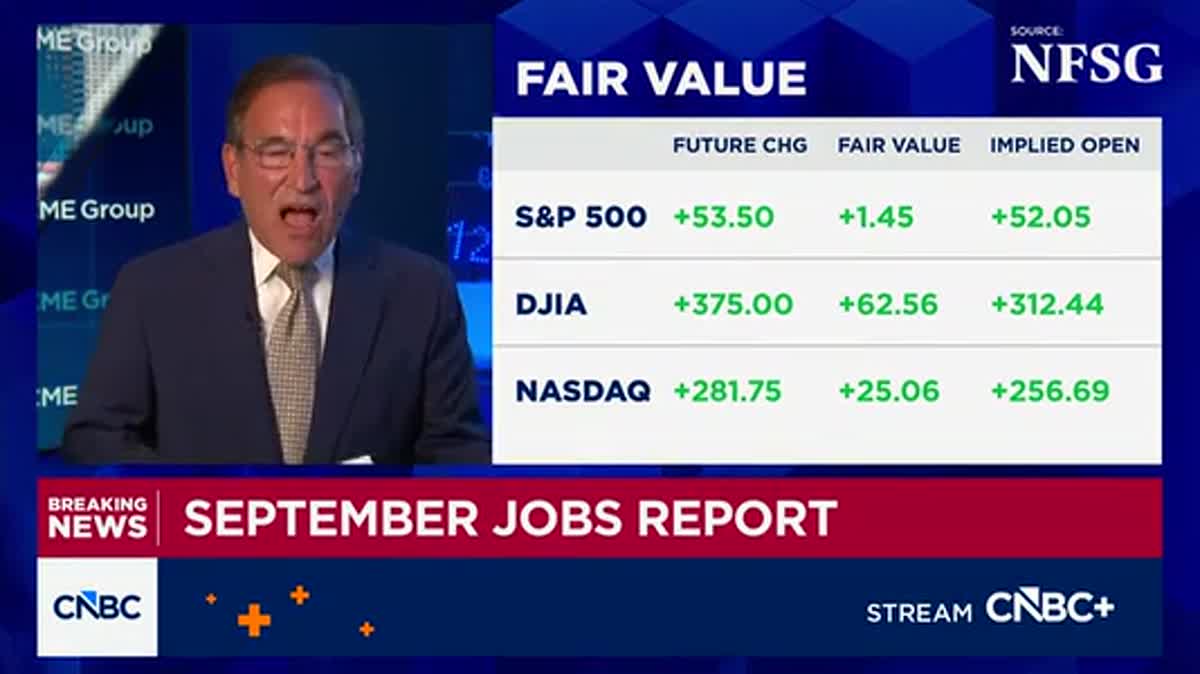
Cover image from crooksandliars.com, which was analyzed for this article
The U.S. added just 29,000 jobs with unemployment rising to 4.2% and prior months revised lower. Wage growth slowed, signaling a cooling labor market.
PoliticalOS
Saturday, October 3, 2026 — Business
The September report showed the weakest job growth in months alongside slower wage gains and downward revisions, raising the prospect that the Federal Reserve will maintain tighter policy even as political pressure for rate cuts continues.
What outlets missed
Neither outlet provided the full Bureau of Labor Statistics release link or raw sector breakdowns such as manufacturing or leisure gains and losses. The Washington Examiner omitted any mention of the 4.2 percent unemployment rate or the precise wage-growth miss. Crooks and Liars did not include context on how prior administrations handled similar revisions or the historical frequency of 29,000-job months.
Weak September Jobs Report Adds Pressure on Fed Amid Persistent Inflation
The September employment report delivered a notable shortfall, with nonfarm payrolls rising by just 29,000 against expectations of around 90,000. Revisions to prior months subtracted another 60,000 jobs, marking one of the softer readings of the year. Average hourly earnings grew only 0.1 percent month-over-month, well below the 0.3 percent forecast and the lightest pace recorded since early last year.
These figures arrive as the Federal Reserve operates under new leadership. Kevin Warsh, sworn in as chair four months ago, has emphasized institutional independence and a commitment to avoid past policy errors. His early tenure has coincided with sticky inflation readings that have kept rate-cut expectations in check. Markets now price in a higher likelihood of another rate increase at the next policy meeting, even as President Trump has repeatedly pressed for lower borrowing costs.
The data highlight a tension between the labor market's cooling and the central bank's primary focus on price stability. While a slower pace of hiring can ease wage pressures that contribute to inflation, it also risks broader economic drag if revisions continue downward. Hourly earnings growth at this subdued level suggests employers are gaining some relief on compensation costs, yet the overall trajectory remains inconsistent with the rapid disinflation many had anticipated earlier in the cycle.
Warsh's public statements have stressed credibility and data dependence, signaling little appetite for political direction on rates. This stance aligns with the Fed's statutory mandate, which prioritizes maximum employment and stable prices over short-term political signals. Analysts note that sustained inflation above target has historically required tighter policy even when growth moderates, a pattern the new chair appears prepared to follow.
Political commentary around the report has been sharply divided. Some market observers argue the Fed benefits from softer employment data because it reduces the need for aggressive tightening. Others contend that consistent underperformance in job creation undermines claims of a robust expansion. Treasury officials and administration allies have pointed to isolated positive elements in recent releases, though the September print offers limited support for that view.
The revisions underscore a familiar challenge in economic measurement: monthly figures are often noisy and subject to substantial later adjustments. Policymakers at the Fed have long maintained that they look through single data points in favor of underlying trends. Still, a string of downward revisions raises questions about the true momentum in hiring and whether the labor market is decelerating more quickly than headline numbers initially suggested.
For households, the combination of modest job gains and restrained wage growth translates into limited real-income improvement once inflation is factored in. Sectors sensitive to interest rates, such as housing and durable goods, continue to face headwinds from elevated borrowing costs. Businesses, meanwhile, may delay expansion plans if uncertainty about both inflation and policy direction persists.
Warsh's challenge is to balance these crosscurrents without repeating the accommodative mistakes that allowed inflation to accelerate in prior cycles. The September report does not resolve that balancing act, but it reinforces the case for caution on easing. Markets will watch subsequent data releases closely for signs of whether the slowdown is transitory or the start of a more pronounced shift in labor demand.
You just read Liberal's take. Want to read what actually happened?
More in Business & Economy

Business Activity Holds Up as Selling Prices Rise Fastest Since 2022
S&P Global PMI shows robust activity but selling prices rise at fastest pace since 2022 amid energy and supply chain costs. Halloween candy prices jump 7.7%.

Stock Futures Climb on Anthropic IPO Filing and AI Financing
Major indices rose on enthusiasm from Anthropic's IPO filing and broader AI infrastructure announcements including Meta's massive fundraising plans. Investors are betting heavily on continued AI growth despite valuation concerns.

Tariffs and AI Transition Fuel Growth and Job Worries
Trump's tariff rhetoric and AI-driven restructuring raised concerns about growth, inflation, and job impacts as markets reacted to geopolitical and tech shifts.

AI Companies Weigh Early IPOs as Risks Mount
Nasdaq fell sharply amid concerns over AI spending sustainability and data center costs; Nvidia, Meta, and others were hit as Meta and Tesla reported earnings.
The Compass
You just read five takes on one story.
What's your take? Find your political shape in a few minutes.
Take the test