
September Jobs Gain Misses Forecasts at 29,000
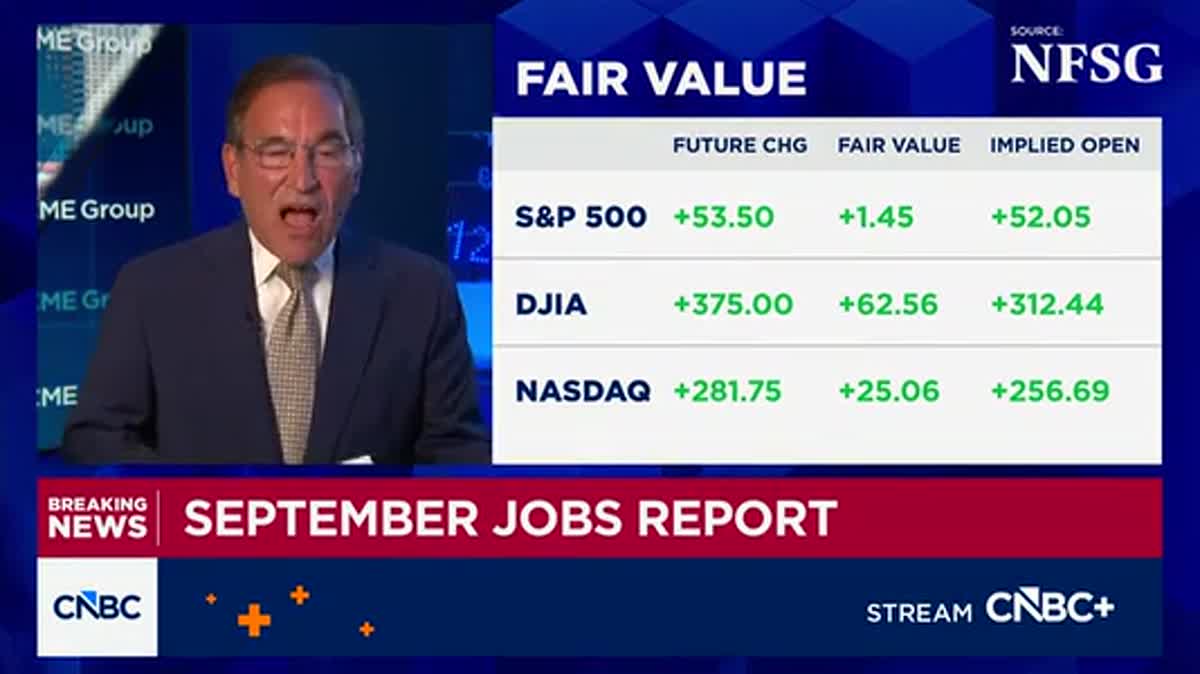
Cover image from crooksandliars.com, which was analyzed for this article
The U.S. added just 29,000 jobs with unemployment rising to 4.2% and prior months revised lower. Wage growth slowed, signaling a cooling labor market.
PoliticalOS
Saturday, October 3, 2026 — Business
The September report showed the weakest job growth in months alongside slower wage gains and downward revisions, raising the prospect that the Federal Reserve will maintain tighter policy even as political pressure for rate cuts continues.
What outlets missed
Neither outlet provided the full Bureau of Labor Statistics release link or raw sector breakdowns such as manufacturing or leisure gains and losses. The Washington Examiner omitted any mention of the 4.2 percent unemployment rate or the precise wage-growth miss. Crooks and Liars did not include context on how prior administrations handled similar revisions or the historical frequency of 29,000-job months.
September Jobs Report Falls Short as Fed Eyes Rate Hikes Against Trump Pressure
The September jobs report delivered a sharp rebuke to claims of robust economic performance under the Trump administration, with far fewer positions added than expected and downward revisions to prior months. CNBC commentator Rick Santelli highlighted the shortfall on air, noting that 29,000 jobs were created against forecasts of 90,000, marking the lightest gain since July. Two-month revisions subtracted 60,000 positions overall, underscoring a pattern of overstated prior figures.
Hourly earnings growth also missed projections, rising just 0.1 percent month-over-month rather than the anticipated 0.3 percent. Santelli described the wage figure as a significant miss, equaling the weakest reading of the year and matching a decline from the prior year. These results come as the administration continues to face scrutiny over its handling of inflation and employment trends that have not matched optimistic projections.
White House economic adviser Kevin Hassett offered a positive spin on the data during appearances on Fox News, consistent with his approach to framing every report favorably. In contrast, Santelli observed that a genuinely thriving economy would not produce such pronounced shortfalls in job creation. He added that the Federal Reserve might view weak job numbers favorably as a reason to avoid further rate increases, though this dynamic clashes with broader national interests and the president's public stance.
The jobs data arrives amid ongoing tensions between the administration and the central bank. Newly installed Federal Reserve Chairman Kevin Warsh, appointed by President Trump, has emphasized institutional independence and a commitment to taming persistent inflation through higher interest rates if necessary. Warsh has pledged not to repeat earlier policy missteps and has signaled resistance to repeated White House calls for lower rates. The examiner reported that Warsh finds himself confronting the same challenges as his predecessor, including sticky inflation that has not yet been fully contained.
Trump has repeatedly pressed for rate cuts to support growth and his own political narrative, yet the central bank appears positioned to maintain or increase rates. Santelli noted that the country and the president's ego both suffer from weak job creation, even as the Fed may prioritize inflation control. This divergence highlights the limits of executive influence over monetary policy, a point Warsh reinforced upon taking office by stressing ethical standards and market trust.
The combination of soft employment gains and wage stagnation raises questions about the sustainability of recent economic claims. Downward revisions to earlier months suggest that previous reports may have painted an overly rosy picture. With inflation remaining a concern, the Fed's likely path of tighter policy stands in direct opposition to administration preferences. Observers will watch closely to see whether future data forces a recalibration or whether political pressure intensifies on the independent central bank.
You just read Progressive's take. Want to read what actually happened?
More in Business & Economy

Business Activity Holds Up as Selling Prices Rise Fastest Since 2022
S&P Global PMI shows robust activity but selling prices rise at fastest pace since 2022 amid energy and supply chain costs. Halloween candy prices jump 7.7%.

Stock Futures Climb on Anthropic IPO Filing and AI Financing
Major indices rose on enthusiasm from Anthropic's IPO filing and broader AI infrastructure announcements including Meta's massive fundraising plans. Investors are betting heavily on continued AI growth despite valuation concerns.

Tariffs and AI Transition Fuel Growth and Job Worries
Trump's tariff rhetoric and AI-driven restructuring raised concerns about growth, inflation, and job impacts as markets reacted to geopolitical and tech shifts.

AI Companies Weigh Early IPOs as Risks Mount
Nasdaq fell sharply amid concerns over AI spending sustainability and data center costs; Nvidia, Meta, and others were hit as Meta and Tesla reported earnings.
The Compass
You just read five takes on one story.
What's your take? Find your political shape in a few minutes.
Take the test