
Spirit Airlines Teeters as Legacy Carriers Match Fares and Costs Mount
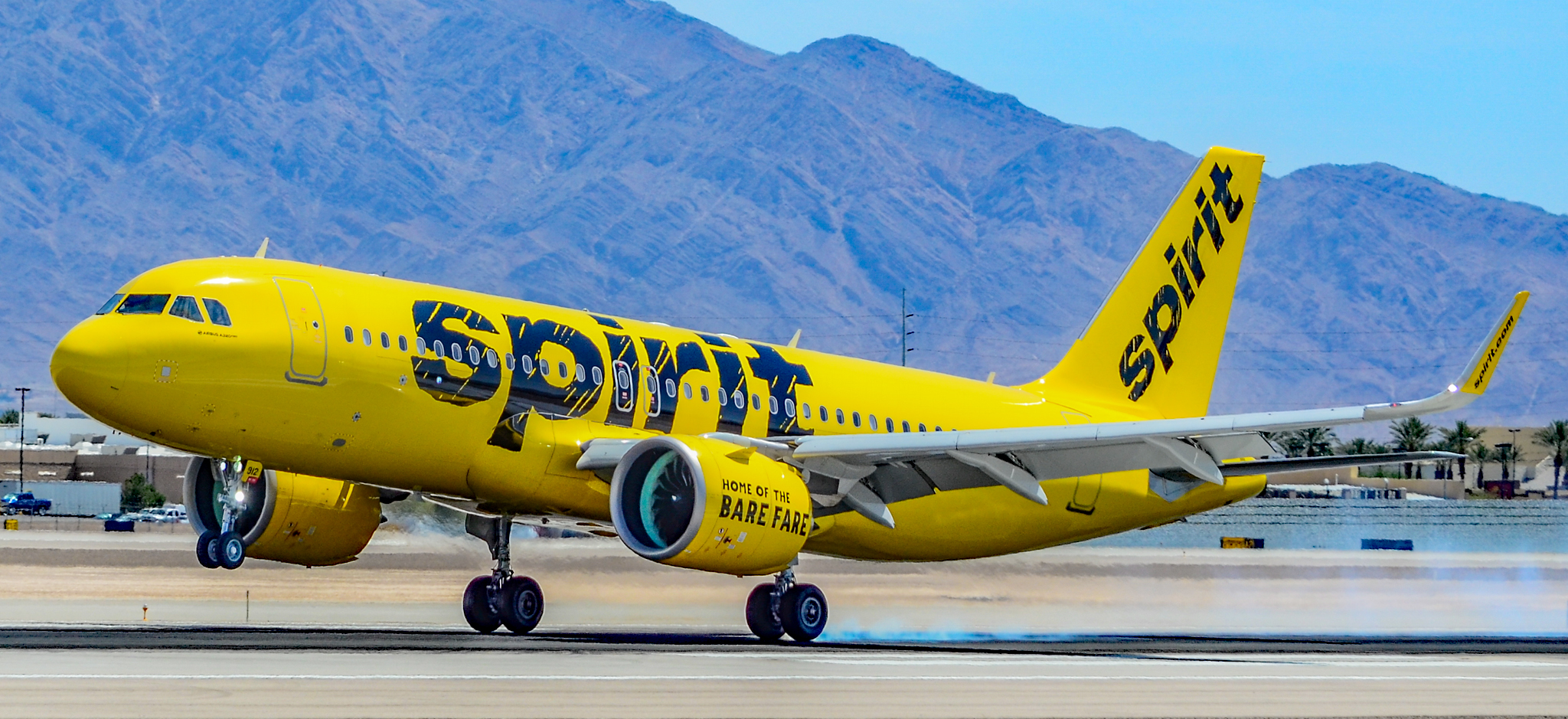
Cover image from thefederalist.com, which was analyzed for this article
Spirit Airlines, once the Dollar General of skies, faces challenges as major carriers match low fares leading to financial strain. Observers debate government bailout under Trump admin. The case underscores airline industry consolidation trends.
PoliticalOS
Wednesday, April 29, 2026 — Business
Spirit's near-collapse stems from a combination of legacy carriers adopting and improving upon its low-cost tactics, sharp rises in fuel and labor expenses exacerbated by geopolitical events and engine recalls, and reduced flying by inflation-weary budget consumers. A potential Trump administration rescue after the prior Biden block of its JetBlue merger highlights unresolved tensions over government intervention in a consolidating industry. The most important reality is that ultra-low-cost options for price-sensitive travelers are shrinking, regardless of whether the root cause is framed as competition, costs or policy.
What outlets missed
Both outlets underplayed the Pratt & Whitney engine recall crisis that grounded roughly 20% of Spirit's fleet since 2023, creating chronic operational and financial strain documented in SEC filings and Reuters reports. Specific fuel cost impacts — jet fuel hitting $4.32 per gallon in April 2026 and adding an estimated $360 million in expenses amid Iran-related conflicts — received only passing mention despite dominating airline earnings calls that quarter. Detailed restructuring numbers, including Spirit's plan to slash debt from $7.4 billion to $2.1 billion with a targeted mid-2026 exit from bankruptcy, were omitted in favor of broader narrative arguments. Neither fully explored how Spirit remained profitable before 2019, suggesting its challenges involve a mix of legacy competitive responses, exogenous shocks and management decisions rather than any single policy failure.
Big Airlines Crush Budget Carrier as Trump Team Weighs Taxpayer Rescue for Spirit
Aran Darling runs a small fruit business out of Ventura, California. He and his partner buy avocados, tangerines, passion fruit and exotic items like finger limes from local growers and sell them across the country. Last month Darling booked what looked like a sensible red-eye flight from Los Angeles to New York for a key networking event with a major client. The ticket was cheap. The airline was Spirit. Then the headlines started rolling in and Darling began refreshing his flight status like a man waiting for bad news from the doctor.
Spirit Airlines is in serious trouble. The carrier filed for bankruptcy protection for the second time in recent years and is now staring at possible liquidation. Its schedule has been slashed from more than 19,000 flights last May to fewer than 10,000 next month. Customers like Darling, who built their businesses around affordable air travel, are left wondering whether their tickets will still be honored or whether they will be forced to pay big-airline prices at the last minute.
For years Spirit positioned itself as the Dollar General of the skies. No assigned seats. No free snacks. No frills. Just rock-bottom fares that let regular families, small-business owners and working people fly without taking out a loan. That model attracted millions of passengers who otherwise might have driven or stayed home. But the big legacy carriers studied the formula, copied the parts they liked, and used their massive advantages in scale, airport slots, and customer loyalty programs to squeeze Spirit until it bled cash.
United, Delta and American rolled out basic-economy fares that looked a lot like Spirit’s product. They leveraged their vast networks so travelers could still connect through major hubs without the hassle of Spirit’s point-to-point routes. When fuel prices rose or demand dipped, the big airlines could absorb losses that would sink a smaller player. Spirit, already operating on razor-thin margins, could not. The result is what economists call consolidation but what ordinary travelers experience as fewer choices and higher prices.
Now the political class is weighing whether to ride to the rescue. President Trump said last week he is considering “helping them out, meaning bailing them out, or buying it.” Reports suggest a potential $500 million injection of taxpayer money. The mere discussion has conservatives sounding alarms. The federal government already carries $39 trillion in debt. Annual deficits are running close to $2 trillion. Medicare and Social Security face long-term shortfalls that politicians refuse to address. Against that backdrop, sending half a billion dollars to an airline that flies just 3.5 percent of domestic passenger miles looks less like strategic investment and more like the same crony capitalism that infuriates voters.
Spirit is not Boeing. It is not a defense contractor. It does not ferry troops or critical medical supplies. It is a budget airline that, by its own design, kept costs low by giving passengers exactly what they paid for and nothing more. If the company cannot survive in the market, critics ask, why should taxpayers be forced to keep its planes in the air? The Obama administration’s auto-industry bailouts and airline aid during the pandemic left a sour taste for many on the right. Those interventions often protected union interests and entrenched players while smaller competitors and non-unionized workers got scraps. Doing it again for Spirit would send the same message: connected companies get safety nets, everyone else gets turbulence.
The broader trend should worry anyone who flies. When one low-cost carrier after another gets absorbed or driven out, the remaining giants face less pressure to keep fares down. Spirit’s rapid contraction has already removed thousands of cheap seats from the system. Travelers who once could hop on a $49 flight to see family or chase work opportunities now stare at triple the price on the big carriers. The very people who cheered discount airlines as a democratizing force in travel are watching that force get snuffed out.
Darling eventually made it to New York. His flight operated, this time. But the uncertainty rattled him enough to post about it on social media, where other small-business owners shared similar stories. Some switched to pricier carriers and ate the cost. Others canceled plans altogether. That is the human side of industrial consolidation that rarely makes it into the spreadsheets.
Whether the Trump administration follows through with any rescue remains unclear. Officials have offered no final decision. What is clear is the pattern: an upstart that tried to serve price-sensitive Americans gets outmaneuvered by giants who then turn to Washington when market forces threaten to finish the job. For millions of flyers who relied on Spirit’s bare-bones approach, the story feels less like capitalism at work and more like the usual arrangement where the big guys write the rules and ordinary people pay the difference.
You just read America First's take. Want to read what actually happened?
More in Business & Economy

Stocks Rise on Earnings as Home Sales Hit Low
Major indices closed mixed to higher, led by healthcare and defensive stocks, as companies like Eli Lilly and UnitedHealth reported strong results. Pending home sales hit record lows.

US Stocks Mixed as Tech Rebounds on AI Optimism
The Dow slipped slightly while the S&P 500 and Nasdaq rose, led by Nvidia, AMD, and Intel gains on renewed AI sector confidence after prior drops. Broader market volatility tied to earnings and data center demand.

Trump Unveils $8 Billion Diesel Relief for Farmers
The Agriculture Department launched the program to offset record diesel prices for farmers, framed as economic aid and a midterm pitch in Kansas amid ongoing inflation and energy cost pressures.
CPI Rises to 3.7 Percent as Energy Costs Climb Amid Iran Conflict
Hotter-than-expected CPI figures fueled rate hike fears and contributed to sharp declines in AI and tech stocks. Left and right economic commentary debates Trump policies versus Fed actions.
The Compass
You just read five takes on one story.
What's your take? Find your political shape in a few minutes.
Take the test