
Spirit Airlines Teeters as Legacy Carriers Match Fares and Costs Mount
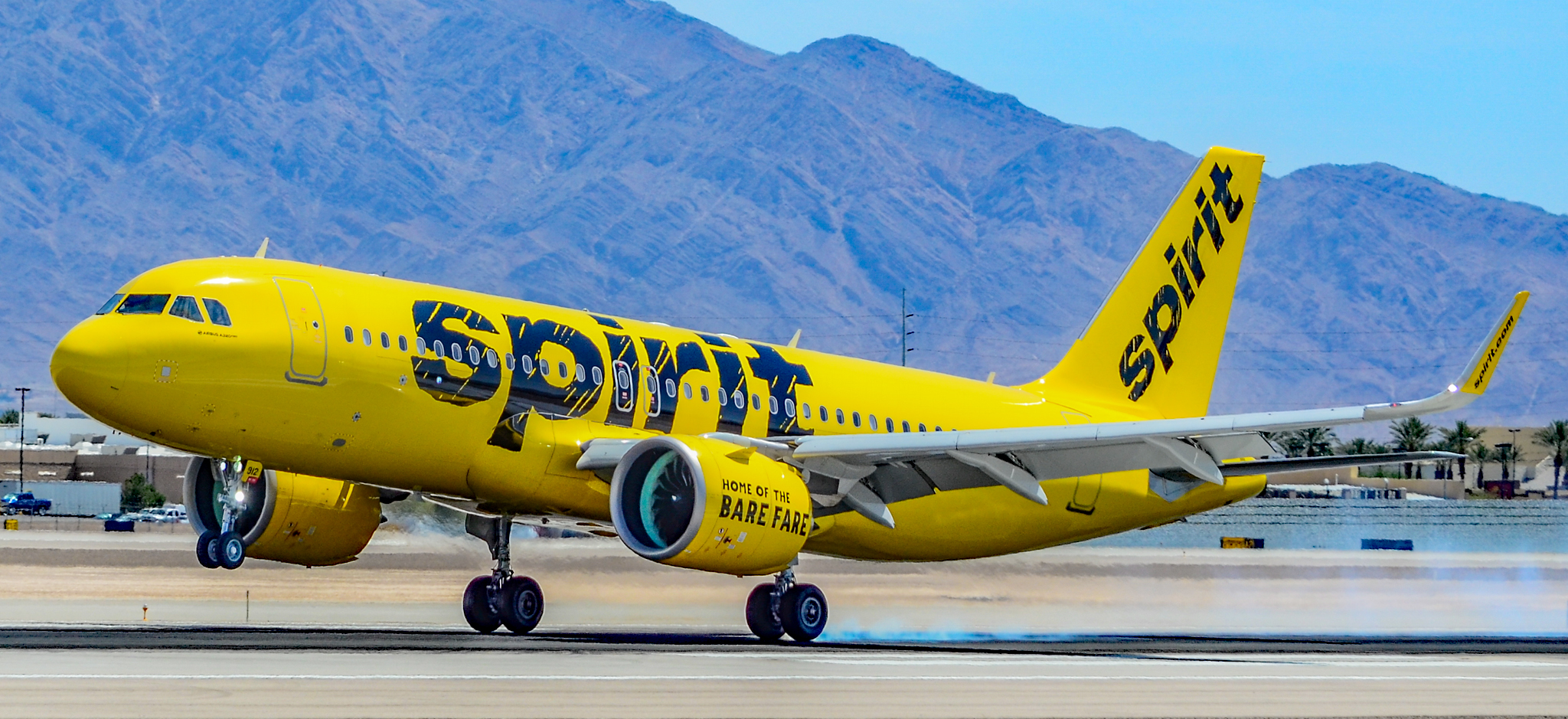
Cover image from thefederalist.com, which was analyzed for this article
Spirit Airlines, once the Dollar General of skies, faces challenges as major carriers match low fares leading to financial strain. Observers debate government bailout under Trump admin. The case underscores airline industry consolidation trends.
PoliticalOS
Wednesday, April 29, 2026 — Business
Spirit's near-collapse stems from a combination of legacy carriers adopting and improving upon its low-cost tactics, sharp rises in fuel and labor expenses exacerbated by geopolitical events and engine recalls, and reduced flying by inflation-weary budget consumers. A potential Trump administration rescue after the prior Biden block of its JetBlue merger highlights unresolved tensions over government intervention in a consolidating industry. The most important reality is that ultra-low-cost options for price-sensitive travelers are shrinking, regardless of whether the root cause is framed as competition, costs or policy.
What outlets missed
Both outlets underplayed the Pratt & Whitney engine recall crisis that grounded roughly 20% of Spirit's fleet since 2023, creating chronic operational and financial strain documented in SEC filings and Reuters reports. Specific fuel cost impacts — jet fuel hitting $4.32 per gallon in April 2026 and adding an estimated $360 million in expenses amid Iran-related conflicts — received only passing mention despite dominating airline earnings calls that quarter. Detailed restructuring numbers, including Spirit's plan to slash debt from $7.4 billion to $2.1 billion with a targeted mid-2026 exit from bankruptcy, were omitted in favor of broader narrative arguments. Neither fully explored how Spirit remained profitable before 2019, suggesting its challenges involve a mix of legacy competitive responses, exogenous shocks and management decisions rather than any single policy failure.
Spirit Airlines Collapse Shows How Corporate Giants Killed the Budget Skies
Aran Darling runs a small California business selling exotic fruits like finger limes and passion fruit to customers across the country. Last month he booked a cheap red-eye Spirit Airlines flight from Los Angeles to New York for an important networking event that could help his company Froot Stand grow. Then the headlines started. Spirit, already in its second bankruptcy in recent years, was suddenly at risk of total liquidation. Flights could vanish overnight. Darling spent days refreshing flight status pages, calling the airline, and reassuring his partner while wondering if his shot at expanding a small business would disappear with the carrier.
That anxiety is now shared by millions of budget travelers, small-business owners, and the roughly 10,000 Spirit employees who could lose their jobs if the airline is grounded for good. Once mocked as the airline that charged for everything from carry-on bags to bottled water, Spirit built its entire model on being the Dollar General of the skies: rock-bottom base fares, ruthless cost-cutting, and a long list of add-on fees. For years the strategy worked. It forced legacy carriers to lower prices and gave working families, students, and entrepreneurs a genuine shot at air travel that felt within reach. Now that same model is being used against it by far larger and more powerful competitors who have beaten Spirit at its own game.
The big airlines Delta, United, and American studied Spirit’s success and copied the playbook. They introduced basic economy fares that stripped away perks, added baggage fees, and squeezed seats even tighter. Unlike Spirit, however, the legacy carriers could fall back on massive scale, lucrative corporate contracts, extensive route networks, and loyal customer programs that punished travelers for defecting to cheaper options. When fuel prices spiked or demand dipped, the giants could absorb losses that would cripple a smaller ultra-low-cost carrier. Spirit’s market share, which peaked around 3.5 percent of domestic passenger miles, never gave it the same resilience.
The pandemic accelerated the damage. Travel collapsed, Spirit burned through cash, and recovery proved brutally uneven. A proposed merger with JetBlue that might have created a stronger low-cost challenger was blocked by the Biden administration on antitrust grounds, a decision that drew praise from progressives worried about industry consolidation but left Spirit without an obvious path to stability. Since then the airline has slashed its schedule dramatically, from more than 19,000 flights in May of last year to fewer than 10,000 scheduled for next month. Routes have disappeared. Crews have been cut. The once-expansive map of orange-and-yellow planes has shrunk into a shadow of its former self.
Now the airline’s survival hinges on a possible bailout from the Trump administration. The president said last week he is considering “helping them out, meaning bailing them out, or buying it,” with figures around $500 million being discussed. The idea has triggered swift backlash from fiscal conservatives who note the federal government already carries $39 trillion in debt and runs trillion-dollar deficits annually. They argue that an airline representing a small slice of domestic travel hardly qualifies as a national-security or economically indispensable asset. If Spirit can cut more than half its flights over the past year without causing widespread chaos, they ask, why should taxpayers subsidize its mistakes?
From the left, the objections take a different tone but reach similar conclusions about corporate welfare. Progressives have spent years criticizing the airline industry’s march toward oligopoly. Four carriers now control roughly 80 percent of the domestic market. Fares on many routes have risen even as fuel costs dropped. The very competition that Spirit once embodied has been steadily strangled, leaving consumers with fewer genuine low-fare options and workers with less leverage. Handing half a billion dollars to a failing carrier does nothing to address that deeper structural failure. It simply props up one distressed company while the giants continue consolidating power.
Spirit’s story is more than a single airline’s mismanagement. It reflects how American capitalism often rewards scale over innovation and how the low-cost revolution of the early 2000s was eventually absorbed and neutralized by incumbents with deeper pockets. Travelers who once benefited from genuine price competition are now watching their options narrow. Small businesses like Darling’s lose affordable connections that help them compete with larger rivals. Workers face sudden unemployment in an industry where unions have historically struggled for strong contracts at the low-cost carriers.
Whether the Trump administration follows through with any rescue remains unclear. What is already obvious is the pattern: when an upstart tries to democratize an essential service, the giants respond by copying its tactics, leveraging their advantages, and ultimately shrinking the field. The result is an industry that talks about consumer choice while delivering higher prices, fewer seats, and more fees for everyone except the most frequent corporate flyers. Spirit’s possible death will not create a crisis for Wall Street or the largest carriers. It will, however, represent another quiet victory for consolidation over competition and another loss for the millions of Americans who simply want to fly without taking out a loan.
You just read Progressive's take. Want to read what actually happened?
More in Business & Economy

Stocks Rise on Earnings as Home Sales Hit Low
Major indices closed mixed to higher, led by healthcare and defensive stocks, as companies like Eli Lilly and UnitedHealth reported strong results. Pending home sales hit record lows.

US Stocks Mixed as Tech Rebounds on AI Optimism
The Dow slipped slightly while the S&P 500 and Nasdaq rose, led by Nvidia, AMD, and Intel gains on renewed AI sector confidence after prior drops. Broader market volatility tied to earnings and data center demand.

Trump Unveils $8 Billion Diesel Relief for Farmers
The Agriculture Department launched the program to offset record diesel prices for farmers, framed as economic aid and a midterm pitch in Kansas amid ongoing inflation and energy cost pressures.
CPI Rises to 3.7 Percent as Energy Costs Climb Amid Iran Conflict
Hotter-than-expected CPI figures fueled rate hike fears and contributed to sharp declines in AI and tech stocks. Left and right economic commentary debates Trump policies versus Fed actions.
The Compass
You just read five takes on one story.
What's your take? Find your political shape in a few minutes.
Take the test