
Gas Prices Top $4 Nationwide as Iran Tensions Hit Markets and Businesses
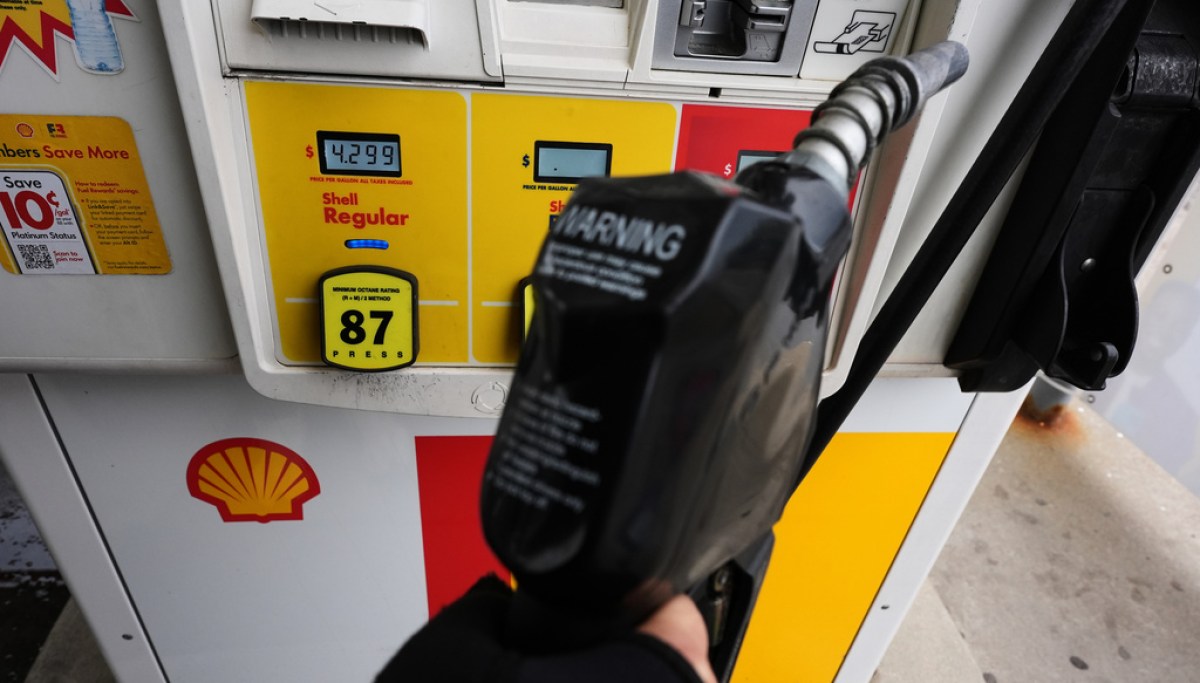
Cover image from washingtonexaminer.com, which was analyzed for this article
US stocks and bonds declined amid inflation worries and Middle East tensions, with gas prices topping $4 per gallon nationwide. Consumer confidence showed only modest gains despite the pressures.
PoliticalOS
Wednesday, May 20, 2026 — Business
Gasoline prices above $4 in every state are adding measurable costs to businesses and households while markets price in higher inflation risks. Multiple supply and policy influences are at work, yet the relative contribution of the Iran conflict versus other factors remains unquantified in most accounts. Readers should track both daily pump data and forthcoming EIA or Bank of America Institute releases for clearer attribution.
What outlets missed
Most reports omitted post-ceasefire oil futures movements near $99 per barrel and the brief price reversal that followed an April lull before the latest climb. Few pieces supplied the full Bank of America Institute breakdown of labor, sales, and inflation factors behind the 1.3 percent profit drop, leaving the gasoline share unquantified. Broader market reactions in equities and bonds received little direct coverage despite the topic summary, and state-level policy responses such as potential regulatory relief were mentioned only in passing.
Gas Prices Surge and Squeeze Small Business Margins
Small business owners across the country are absorbing sharp increases in fuel and labor costs tied to the ongoing conflict with Iran and its effects on global energy supplies. National average gasoline prices reached $4.56 a gallon this week, according to AAA data, marking a 53 percent rise since the war began three months ago. All fifty states now show averages above four dollars, with California at the top near six dollars fifteen cents and several southern states hovering just over four dollars.
A Bank of America Institute report released this week showed small business profitability fell 1.3 percent in April, the steepest drop in two years. The same analysis found that firms with fewer than 250 employees spent 31 percent more on gasoline last month than a year earlier. Rising labor expenses compound the pressure, leaving many owners with narrower margins even as broader consumer spending has held up.
The Strait of Hormuz remains closed to regular tanker traffic, cutting a key route for oil shipments and keeping upward pressure on pump prices. Daily fluctuations have been modest but persistent, with the national average climbing more than fifty cents over the past month. Summer driving season typically adds further strain, and analysts at GasBuddy have warned that prices could exceed five dollars nationally if the blockade lasts into midsummer.
Despite these headwinds, new business applications continue at near-record levels. Monthly filings have averaged around 470,000 so far in 2025, roughly two-thirds above pre-pandemic norms. This pace suggests many Americans still see opportunity in starting enterprises even when operating costs climb.
Larger retailers have reported mixed but generally steadier results. Target posted first-quarter sales growth above 6 percent and raised its outlook after same-store sales rose 5.6 percent, the first positive reading in five quarters. The company credited strength in health, wellness, toys, and baby categories along with growth in membership and marketplace revenue. Such outcomes illustrate how scale and diversified operations can buffer some of the energy-price shock that smaller operators feel more directly.
Labor availability remains a separate constraint cited in the Bank of America survey. Owners report difficulty filling positions at wages that still allow profitable operation once fuel and other inputs are paid. The combination leaves many firms trimming hours, delaying equipment purchases, or passing modest price increases to customers.
The pattern aligns with basic supply-and-demand responses to restricted energy flows. Higher input costs reduce net returns for price-sensitive businesses, while entrepreneurial entry stays robust where individuals judge future rewards worth the risk. How long these conditions persist will depend largely on developments in the Strait of Hormuz and any policy shifts that affect domestic production and refining capacity.
You just read Conservative's take. Want to read what actually happened?
More in Business & Economy

Stocks Rise on Earnings as Home Sales Hit Low
Major indices closed mixed to higher, led by healthcare and defensive stocks, as companies like Eli Lilly and UnitedHealth reported strong results. Pending home sales hit record lows.

US Stocks Mixed as Tech Rebounds on AI Optimism
The Dow slipped slightly while the S&P 500 and Nasdaq rose, led by Nvidia, AMD, and Intel gains on renewed AI sector confidence after prior drops. Broader market volatility tied to earnings and data center demand.

Trump Unveils $8 Billion Diesel Relief for Farmers
The Agriculture Department launched the program to offset record diesel prices for farmers, framed as economic aid and a midterm pitch in Kansas amid ongoing inflation and energy cost pressures.

CPI Rises to 3.7 Percent as Energy Costs Climb Amid Iran Conflict
Hotter-than-expected CPI figures fueled rate hike fears and contributed to sharp declines in AI and tech stocks. Left and right economic commentary debates Trump policies versus Fed actions.
The Compass
You just read five takes on one story.
What's your take? Find your political shape in a few minutes.
Take the test