
Gas Prices Top $4 Nationwide as Iran Tensions Hit Markets and Businesses
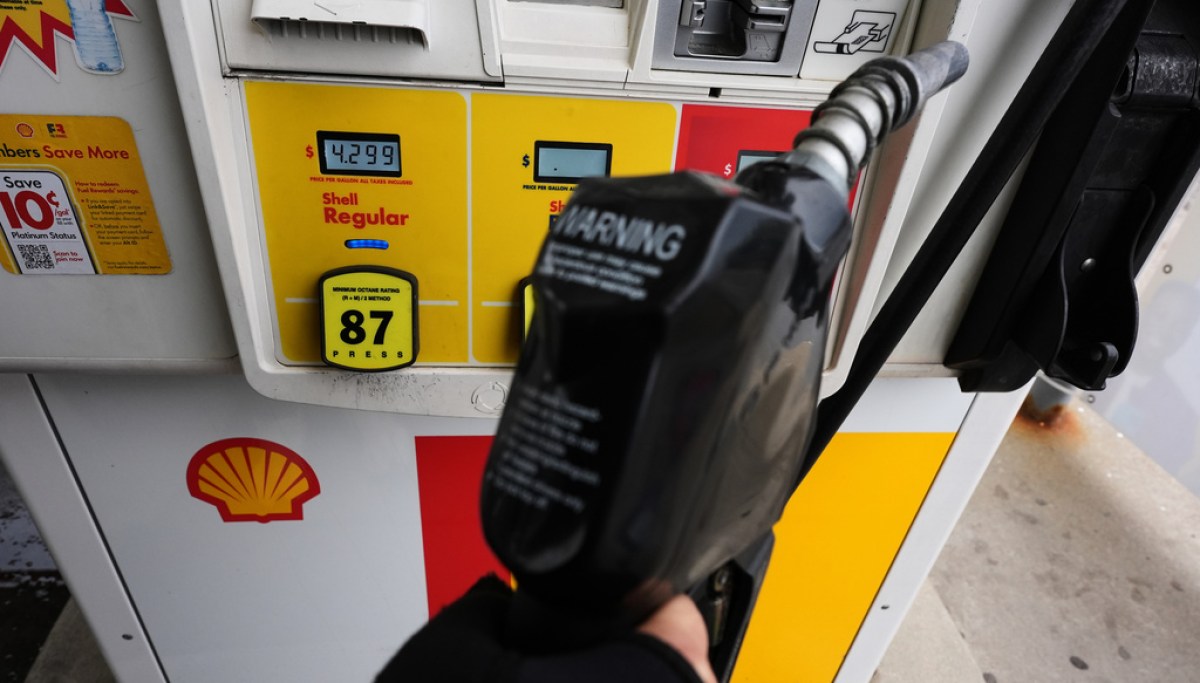
Cover image from washingtonexaminer.com, which was analyzed for this article
US stocks and bonds declined amid inflation worries and Middle East tensions, with gas prices topping $4 per gallon nationwide. Consumer confidence showed only modest gains despite the pressures.
PoliticalOS
Wednesday, May 20, 2026 — Business
Gasoline prices above $4 in every state are adding measurable costs to businesses and households while markets price in higher inflation risks. Multiple supply and policy influences are at work, yet the relative contribution of the Iran conflict versus other factors remains unquantified in most accounts. Readers should track both daily pump data and forthcoming EIA or Bank of America Institute releases for clearer attribution.
What outlets missed
Most reports omitted post-ceasefire oil futures movements near $99 per barrel and the brief price reversal that followed an April lull before the latest climb. Few pieces supplied the full Bank of America Institute breakdown of labor, sales, and inflation factors behind the 1.3 percent profit drop, leaving the gasoline share unquantified. Broader market reactions in equities and bonds received little direct coverage despite the topic summary, and state-level policy responses such as potential regulatory relief were mentioned only in passing.
Gas Prices From Iran War Crush Small Business Margins Nationwide
Small business owners are feeling the pinch at the pump as gasoline prices surge past four dollars a gallon in every state, driven by the ongoing conflict with Iran and the resulting closure of the Strait of Hormuz. The national average now sits at four dollars and fifty six cents, according to AAA data released Wednesday, marking a fifty three percent jump since the fighting began three months ago.
This spike comes as small firms already grapple with higher labor costs and broader economic uncertainty. A Bank of America Institute report shows small business profitability dropped one point three percent in April, the steepest decline in two years. Spending on gasoline alone rose thirty one percent compared with the same month last year, eating directly into margins for entrepreneurs who rely on vehicles for deliveries, services, and daily operations.
The pain is widespread. Seven states now average above five dollars a gallon, with California leading at six dollars and fifteen cents. Even lower cost areas like Georgia sit at four dollars and one cent, a level that would have seemed extreme just months ago. GasBuddy analyst Patrick De Haan warned that prices could exceed five dollars and three cents nationally if the shipping lane remains blocked into midsummer.
Small businesses have generated half of all new jobs in the past five years, yet the combination of expensive fuel and softening sales threatens that momentum. Bank of America analysts noted that sales appear to be slowing even as overall consumer spending holds up, a sign that higher costs are beginning to limit what these firms can invest or hire. New business applications remain elevated at roughly four hundred seventy thousand per month, well above pre pandemic levels, but the report highlights persistent worries over inflation and the economic outlook that could dampen that entrepreneurial wave.
The war's effects reach beyond energy. Higher transportation expenses ripple through supply chains, raising the price of goods small retailers and service providers must stock or deliver. This occurs against a backdrop where Americans continue to start companies at record rates, a trend that has distinguished the United States from slower growing economies elsewhere. Yet sustained pressure at the pump risks undercutting the very dynamism that has kept job creation resilient.
Meanwhile, larger retailers like Target reported stronger results, with same store sales rising five point six percent in the latest quarter and broad gains across categories. That contrast underscores how scale can sometimes buffer against energy shocks that hit independent operators harder. For the thousands of smaller firms that lack such advantages, each additional cent at the pump translates into tighter budgets and harder choices about expansion or payroll.
The situation leaves many owners watching the Strait of Hormuz developments closely, knowing that any prolonged disruption will continue to flow straight to their bottom lines and the paychecks of the workers they employ.
You just read America First's take. Want to read what actually happened?
More in Business & Economy

AI Companies Weigh Early IPOs as Risks Mount
Nasdaq fell sharply amid concerns over AI spending sustainability and data center costs; Nvidia, Meta, and others were hit as Meta and Tesla reported earnings.

Stocks Rise on Earnings as Home Sales Hit Low
Major indices closed mixed to higher, led by healthcare and defensive stocks, as companies like Eli Lilly and UnitedHealth reported strong results. Pending home sales hit record lows.

US Stocks Mixed as Tech Rebounds on AI Optimism
The Dow slipped slightly while the S&P 500 and Nasdaq rose, led by Nvidia, AMD, and Intel gains on renewed AI sector confidence after prior drops. Broader market volatility tied to earnings and data center demand.

Trump Unveils $8 Billion Diesel Relief for Farmers
The Agriculture Department launched the program to offset record diesel prices for farmers, framed as economic aid and a midterm pitch in Kansas amid ongoing inflation and energy cost pressures.
The Compass
You just read five takes on one story.
What's your take? Find your political shape in a few minutes.
Take the test