
Gas Prices Top $4 Nationwide as Iran Tensions Hit Markets and Businesses
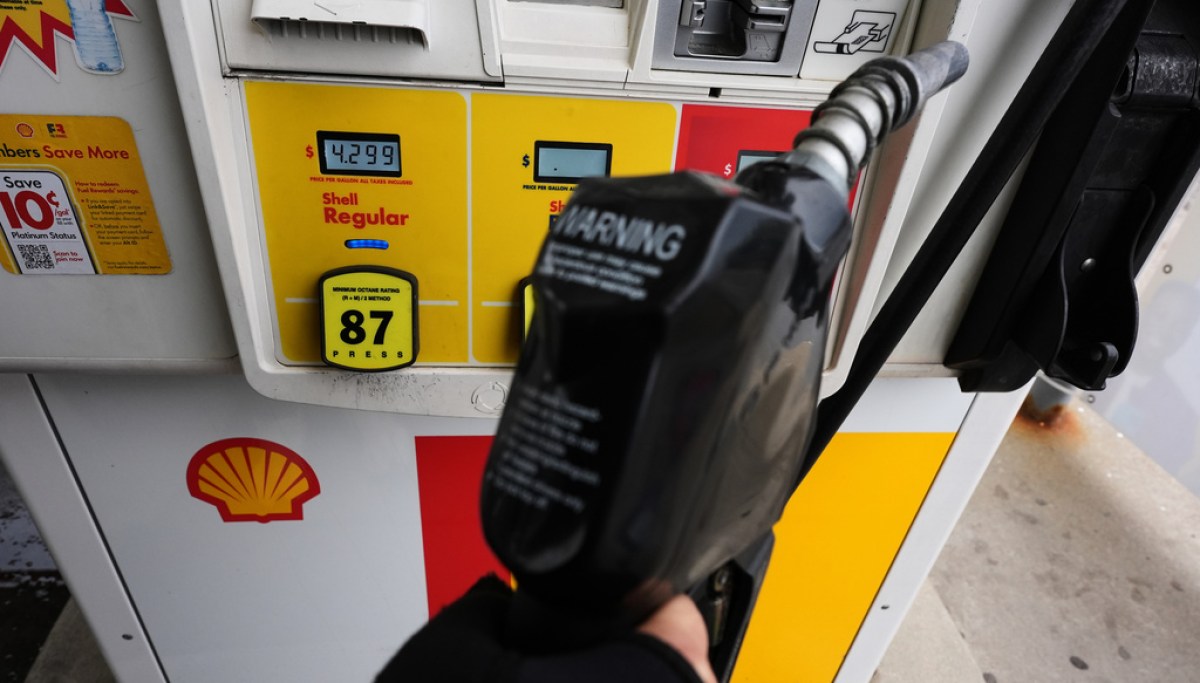
Cover image from washingtonexaminer.com, which was analyzed for this article
US stocks and bonds declined amid inflation worries and Middle East tensions, with gas prices topping $4 per gallon nationwide. Consumer confidence showed only modest gains despite the pressures.
PoliticalOS
Wednesday, May 20, 2026 — Business
Gasoline prices above $4 in every state are adding measurable costs to businesses and households while markets price in higher inflation risks. Multiple supply and policy influences are at work, yet the relative contribution of the Iran conflict versus other factors remains unquantified in most accounts. Readers should track both daily pump data and forthcoming EIA or Bank of America Institute releases for clearer attribution.
What outlets missed
Most reports omitted post-ceasefire oil futures movements near $99 per barrel and the brief price reversal that followed an April lull before the latest climb. Few pieces supplied the full Bank of America Institute breakdown of labor, sales, and inflation factors behind the 1.3 percent profit drop, leaving the gasoline share unquantified. Broader market reactions in equities and bonds received little direct coverage despite the topic summary, and state-level policy responses such as potential regulatory relief were mentioned only in passing.
Rising Fuel Costs Pressure Small Businesses as Energy Disruptions Persist
The surge in gasoline prices triggered by the conflict with Iran has begun to erode profit margins at small businesses across the country, according to new data from the Bank of America Institute. With the national average price of regular gas reaching $4.56 per gallon this week, owners of firms with fewer than 250 employees are absorbing sharply higher energy expenses at a time when labor costs are also climbing.
Small business profitability fell 1.3 percent in April, the steepest monthly drop in two years. That decline coincided with a 31 percent year-over-year increase in spending on gasoline, the Bank of America analysis found. The average price stood at $4.53 on Tuesday, up 43 percent from a year earlier, according to AAA data. All fifty states now report averages above $4 a gallon, with seven exceeding $5 and California reaching $6.15.
The price jump stems from supply constraints after the war closed the Strait of Hormuz, a vital shipping route for oil. Analysts at GasBuddy have warned that the national average could exceed the all-time record of $5.03 if the blockade lasts into midsummer. The pattern has produced steady weekly increases, including a 51-cent rise over the past month alone.
These costs arrive as small firms already navigate uneven demand. Sales growth has slowed even while overall consumer spending remains relatively strong, the Bank of America report noted. Entrepreneurs continue to cite labor shortages and uncertainty about future conditions as primary concerns. The sector's performance matters because businesses with fewer than 250 workers have accounted for half of net job creation over the past five years.
Yet the broader picture of entrepreneurship remains resilient. Americans filed paperwork for new businesses at an average rate of 470,000 applications per month in 2025, roughly two-thirds above pre-pandemic levels. That pace has helped distinguish the U.S. economy from slower recoveries elsewhere. The same forces that lift startup activity, such as flexible labor markets and access to capital, may also give some owners room to adjust pricing or operations.
The retail sector offers a partial contrast. Target reported that same-store sales rose 5.6 percent in its latest quarter, the first positive reading in five periods, with strength in health, wellness, toys and baby categories. Digital sales grew nearly 9 percent, aided by same-day delivery options. Those results suggest that consumer traffic has begun to stabilize at larger chains, though smaller operators lack comparable scale to offset fuel and wage pressures.
Policy responses so far have centered on monitoring supply routes rather than direct relief for independent businesses. The combination of elevated energy prices and persistent hiring difficulties could test whether the recent wave of new firm formation translates into sustained employment gains. For now, the data show that the cost shock is concentrated among the very enterprises that have driven much of the recent labor-market expansion.
You just read Liberal's take. Want to read what actually happened?
More in Business & Economy

Stocks Rise on Earnings as Home Sales Hit Low
Major indices closed mixed to higher, led by healthcare and defensive stocks, as companies like Eli Lilly and UnitedHealth reported strong results. Pending home sales hit record lows.

US Stocks Mixed as Tech Rebounds on AI Optimism
The Dow slipped slightly while the S&P 500 and Nasdaq rose, led by Nvidia, AMD, and Intel gains on renewed AI sector confidence after prior drops. Broader market volatility tied to earnings and data center demand.

Trump Unveils $8 Billion Diesel Relief for Farmers
The Agriculture Department launched the program to offset record diesel prices for farmers, framed as economic aid and a midterm pitch in Kansas amid ongoing inflation and energy cost pressures.

CPI Rises to 3.7 Percent as Energy Costs Climb Amid Iran Conflict
Hotter-than-expected CPI figures fueled rate hike fears and contributed to sharp declines in AI and tech stocks. Left and right economic commentary debates Trump policies versus Fed actions.
The Compass
You just read five takes on one story.
What's your take? Find your political shape in a few minutes.
Take the test