
US Goods and Services Deficit Narrows in June
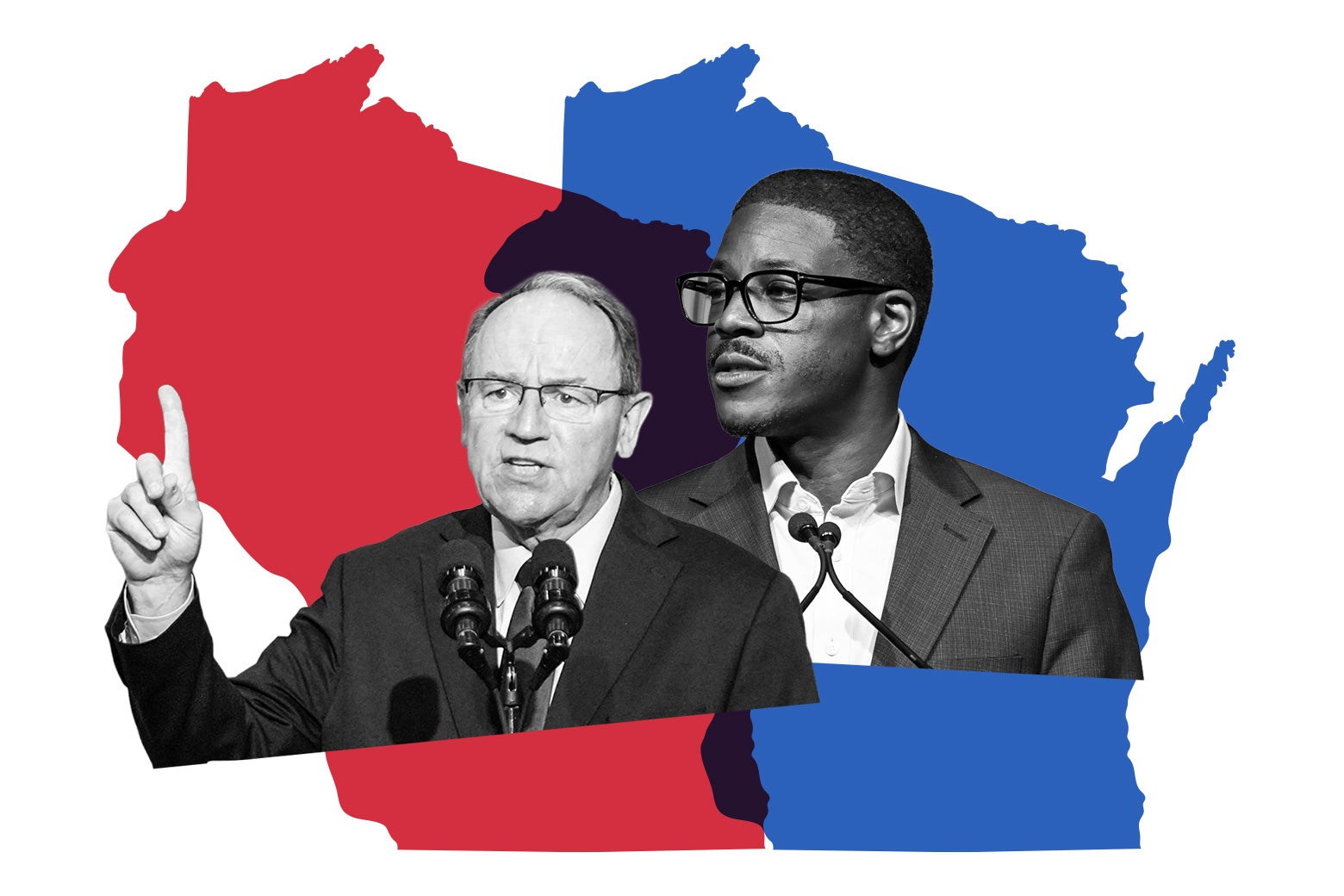
Cover image from slate.com, which was analyzed for this article
The goods and services deficit narrowed in June while forecasts highlight a shift toward investment-led growth as consumer spending softens.
PoliticalOS
Saturday, August 15, 2026 — Business
No outlet supplied verified figures on the June deficit narrowing or the investment-led growth forecast. Readers receive no sourced data on import declines, consumer softening, or bank projections from the material provided.
What outlets missed
The provided outlets published no coverage of the June trade figures or growth forecasts. Their articles addressed influencer terminology and Wisconsin primary results instead. No outlet supplied import or export totals, monthly comparisons, or bank projections on investment versus consumption. The absence leaves readers without any sourcing on the deficit change or the economic outlook described in the summary.
Wisconsin Democrats Stick With Party Insider Over Open Socialist
Milwaukee County Executive David Crowley defeated state Rep. Francesca Hong in the Wisconsin Democratic primary for governor this week, overcoming double-digit deficits in polls and prediction markets to secure the nomination. Crowley, backed by Gov. Tony Evers and other establishment figures, won a narrow victory that exposed weaknesses in how pollsters model support for insurgent candidates on the left. The result came despite Hong's appeal to younger and more progressive voters drawn to her explicit democratic socialist platform.
The outcome highlights how institutional Democrats continue to prioritize reliable insiders over those pushing more aggressive ideological shifts. Hong had positioned herself as a break from the status quo, emphasizing policies that align with national progressive priorities like expanded government programs and wealth redistribution. Crowley, by contrast, campaigned as a steady hand who could appeal to broader suburban and moderate voters in a state that remains competitive in general elections. His win suggests the party apparatus still holds significant sway when it comes to turning out reliable supporters.
This primary followed a pattern seen elsewhere, where early surveys underestimated establishment strength against left-wing challengers. In Michigan the week prior, similar polling shortfalls appeared in races involving insurgent candidates. Wisconsin's result reinforces that prediction markets and surveys struggle when party machinery mobilizes behind a preferred nominee. Crowley now moves to the general election against the Republican field, where the dynamics of turnout and messaging will differ sharply from the primary.
The race also drew attention to how national figures within the Democratic orbit view internal challenges. Figures like Nancy Pelosi have shown willingness to intervene in primaries to sideline threats to their preferred order. Such moves often frame insurgents as liabilities rather than fresh voices, even when those insurgents claim to represent the party's future base. Crowley's success shows the limits of that insurgent energy when matched against organized support from sitting governors and local networks.
Beyond Wisconsin, recent developments around former President Trump's inner circle revealed priorities in staffing during uncertain times. Reports indicated Trump values certain aides for their loyalty in high-pressure scenarios over those with flashier public profiles. This focus on reliability mirrors the calculation many voters make when choosing between candidates who promise disruption and those who deliver continuity within their own coalitions.
The broader lesson from the Wisconsin contest lies in the persistent gap between media narratives and actual voter behavior. Outlets quick to label one side's candidate as extreme often overlook how the winning side's record on issues like spending, regulation, and cultural questions aligns with long-standing leftward trends in Democratic governance. Crowley's path to victory relied on traditional party structures that have weathered multiple cycles of internal revolt. Whether that model holds through November will depend on turnout patterns that polls have repeatedly underestimated in recent years.
You just read America First's take. Want to read what actually happened?
More in Business & Economy

Business Activity Holds Up as Selling Prices Rise Fastest Since 2022
S&P Global PMI shows robust activity but selling prices rise at fastest pace since 2022 amid energy and supply chain costs. Halloween candy prices jump 7.7%.

Stock Futures Climb on Anthropic IPO Filing and AI Financing
Major indices rose on enthusiasm from Anthropic's IPO filing and broader AI infrastructure announcements including Meta's massive fundraising plans. Investors are betting heavily on continued AI growth despite valuation concerns.

Tariffs and AI Transition Fuel Growth and Job Worries
Trump's tariff rhetoric and AI-driven restructuring raised concerns about growth, inflation, and job impacts as markets reacted to geopolitical and tech shifts.

AI Companies Weigh Early IPOs as Risks Mount
Nasdaq fell sharply amid concerns over AI spending sustainability and data center costs; Nvidia, Meta, and others were hit as Meta and Tesla reported earnings.
The Compass
You just read five takes on one story.
What's your take? Find your political shape in a few minutes.
Take the test