
US Goods and Services Deficit Narrows in June
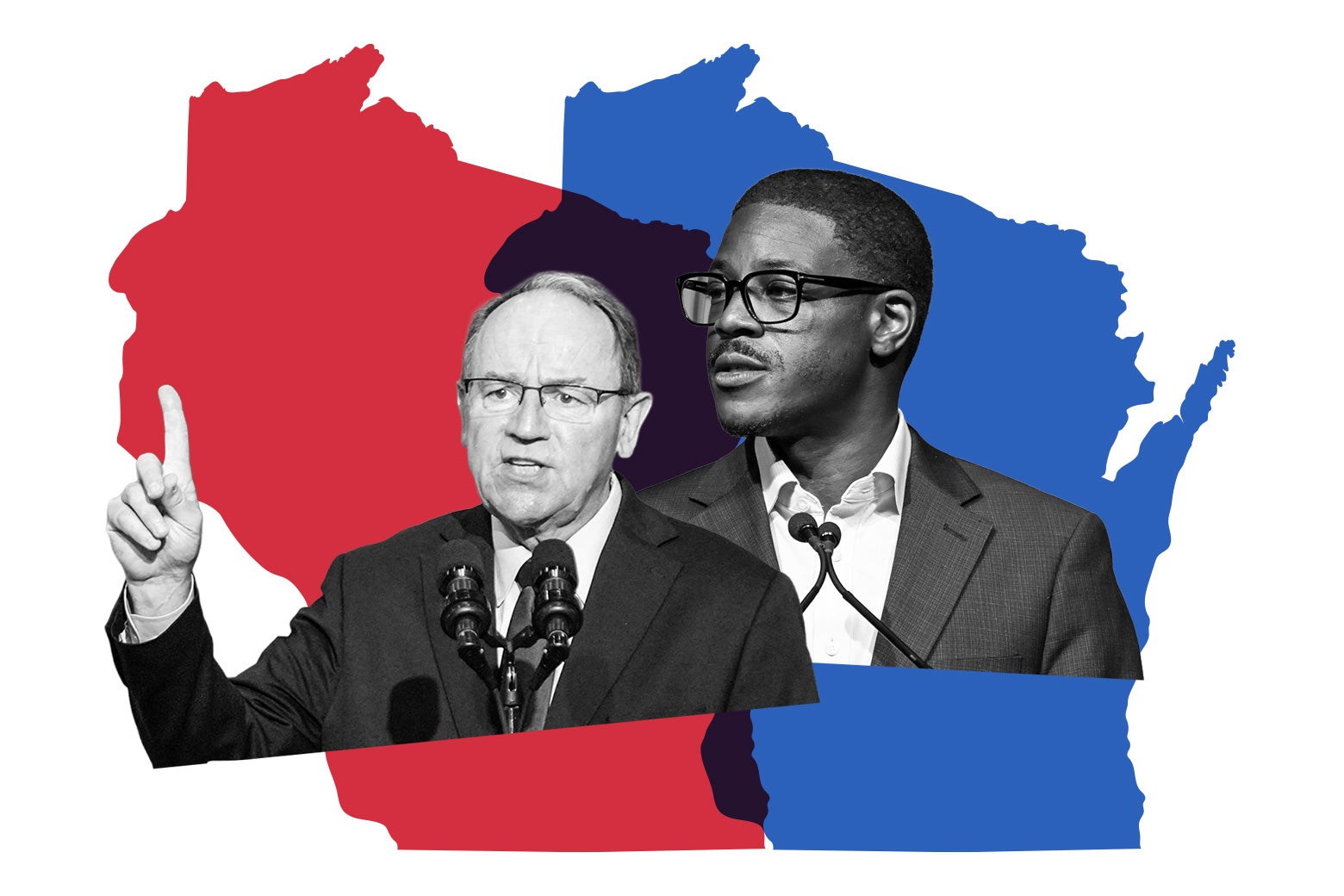
Cover image from slate.com, which was analyzed for this article
The goods and services deficit narrowed in June while forecasts highlight a shift toward investment-led growth as consumer spending softens.
PoliticalOS
Saturday, August 15, 2026 — Business
No outlet supplied verified figures on the June deficit narrowing or the investment-led growth forecast. Readers receive no sourced data on import declines, consumer softening, or bank projections from the material provided.
What outlets missed
The provided outlets published no coverage of the June trade figures or growth forecasts. Their articles addressed influencer terminology and Wisconsin primary results instead. No outlet supplied import or export totals, monthly comparisons, or bank projections on investment versus consumption. The absence leaves readers without any sourcing on the deficit change or the economic outlook described in the summary.
Democratic Establishment Crushes Progressive Hope in Wisconsin Primary
David Crowley’s narrow victory over democratic socialist Francesca Hong in Tuesday’s Wisconsin Democratic primary for governor marks another chapter in the party’s ongoing resistance to its left flank. Backed by sitting Gov. Tony Evers and a network of institutional donors, the Milwaukee County executive overcame double-digit polling deficits and market predictions to secure the nomination. The result underscores how reliably party machinery can override voter enthusiasm for bolder economic policies when the stakes involve control of a key battleground state.
Hong had built a campaign around aggressive climate action, housing affordability, and wealth redistribution measures that resonated with younger voters and urban progressives. Her platform echoed priorities long championed by the party’s activist base yet routinely sidelined once general elections approach. Crowley, by contrast, positioned himself as a steady administrator capable of unifying moderates and independents. That message proved decisive in a low-turnout contest where name recognition and organizational muscle carried the day.
The outcome fits a familiar pattern. Similar insurgent challenges have faltered in recent cycles when establishment figures deploy superior resources and favorable media framing. In Michigan just days earlier, polling errors highlighted the difficulty of capturing support for left-wing candidates, yet Wisconsin demonstrated that organized opposition from within the party can still neutralize that support. Evers’ endorsement and coordinated efforts among county-level officials appear to have mobilized enough reliable Democratic voters to tip the scales.
Critics on the left argue that such victories come at a cost. By prioritizing candidates viewed as safe by corporate donors and suburban moderates, the party risks depressing turnout among the very constituencies needed to win close races. Wisconsin remains a swing state where Democratic success has historically depended on high engagement from Milwaukee and Madison voters, groups often energized by economic populism rather than incrementalism. Hong’s defeat may complicate efforts to build that enthusiasm heading into 2026 and 2028.
Meanwhile, the national political environment continues to reward Republican boldness. Donald Trump’s orbit has shown little hesitation in elevating figures once considered fringe, betting that base mobilization outweighs concerns about electability. Democratic strategists, however, repeatedly calculate that tacking toward the center offers the surer path. The Wisconsin primary reinforces that calculation even as it leaves unanswered questions about long-term coalition durability.
Crowley now faces a general election against a Republican opponent likely to emphasize cultural issues and skepticism of government intervention. His challenge will be translating institutional support into the broad turnout required in a state where margins are routinely razor-thin. For progressives, the result serves as a reminder that internal party contests remain the primary battleground for shaping the opposition to Trump-era politics. Until structural advantages in funding and endorsements shift, candidates advocating structural change will continue to confront steep odds.
You just read Progressive's take. Want to read what actually happened?
More in Business & Economy

Business Activity Holds Up as Selling Prices Rise Fastest Since 2022
S&P Global PMI shows robust activity but selling prices rise at fastest pace since 2022 amid energy and supply chain costs. Halloween candy prices jump 7.7%.

Stock Futures Climb on Anthropic IPO Filing and AI Financing
Major indices rose on enthusiasm from Anthropic's IPO filing and broader AI infrastructure announcements including Meta's massive fundraising plans. Investors are betting heavily on continued AI growth despite valuation concerns.

Tariffs and AI Transition Fuel Growth and Job Worries
Trump's tariff rhetoric and AI-driven restructuring raised concerns about growth, inflation, and job impacts as markets reacted to geopolitical and tech shifts.

AI Companies Weigh Early IPOs as Risks Mount
Nasdaq fell sharply amid concerns over AI spending sustainability and data center costs; Nvidia, Meta, and others were hit as Meta and Tesla reported earnings.
The Compass
You just read five takes on one story.
What's your take? Find your political shape in a few minutes.
Take the test