
Trump Data Center Pledge Attracts Over 200 Signers
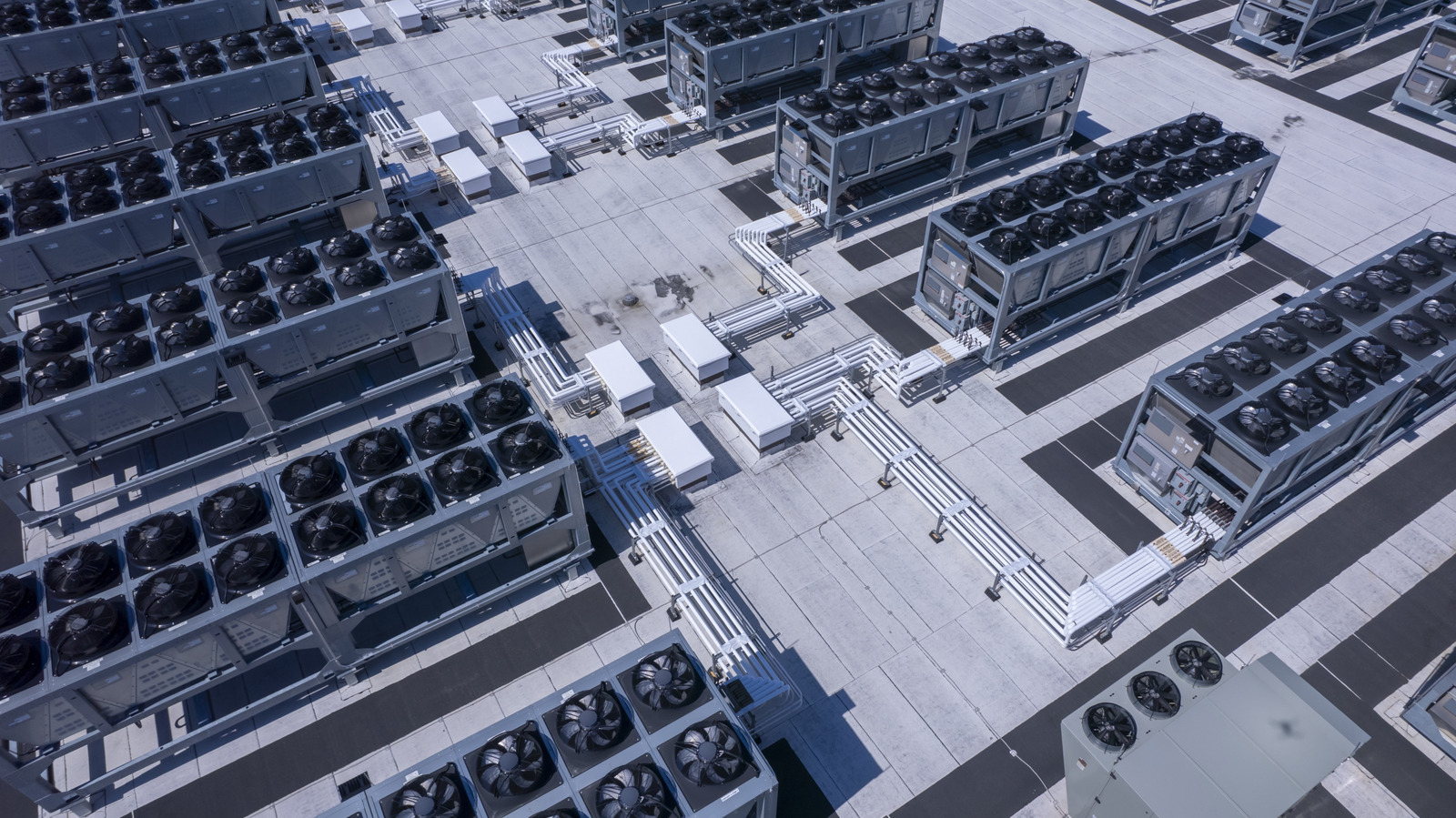
Cover image from engadget.com, which was analyzed for this article
The president called on leading US AI firms to build or buy their own energy infrastructure for data centers. Over 200 companies signed a related pledge to protect consumers from rising costs.
PoliticalOS
Friday, July 24, 2026 — Tech
More than 200 companies and officials have signed a non-binding pledge to shield consumers from data-center electricity costs, yet no enforcement exists and one projection already shows a 10.5 percent summer bill increase. Readers should watch whether signers actually fund new generation and upgrades or whether costs still shift to ratepayers.
What outlets missed
The Axios article addressed AI bioweapons risks instead of the data-center pledge and therefore supplied no information on signatory numbers, the non-binding structure, or the NEADA cost projection. No outlet provided data on actual infrastructure spending by signers to date or on regional variations in electricity price effects. Coverage omitted any statements from Democratic governors or consumer-advocacy groups on the pledge's adequacy.
Trump Pledge on Data Center Costs Attracts Over 200 Signers as AI Experts Flag Bio Weapon Dangers
More than 200 companies, utilities and Republican governors have signed onto President Trump's Ratepayer Protection Pledge, a promise to shield ordinary households from higher electricity bills tied to the rapid expansion of AI data centers. The White House rolled out the list this week, highlighting commitments from Google, Meta, Microsoft and Amazon along with 23 state executives.
The pledge asks signers to cover new power generation and infrastructure upgrades themselves rather than pass those expenses along to ratepayers. It was first floated in March and now counts major utilities and data center developers among its backers. Officials described the effort as a direct response to concerns that the AI buildout could drive up costs for families already dealing with inflation and strained grids.
Yet the agreement carries no legal force and includes no penalties for those who later shift costs onto consumers. Past voluntary industry promises on energy and pricing have often faded once projects scale and bills arrive. Critics note that the same tech firms now pledging restraint have spent years lobbying for faster permitting and subsidies while their facilities consume growing shares of regional power.
At the same time, private conversations among AI leaders reveal deeper worries that go beyond monthly bills. In recent closed-door discussions, many of the same executives and researchers point to the possibility of advanced models helping bad actors design and spread deadly pathogens. A new study from MIT FutureTech and the University of Queensland surveyed hundreds of AI researchers and found they assign roughly a 12 percent chance of a catastrophic outcome from AI-enabled biological risks by 2030, even with current safeguards in place. Without stronger controls, that estimate rises above 20 percent. Catastrophic is defined as more than a million deaths or 100 billion dollars in damage.
Last month several prominent figures, including OpenAI's Sam Altman, Anthropic's Dario Amodei and others, signed an open letter calling for tighter controls on biological risks from AI. Their public statements remain measured, but the private consensus is consistent: the technology is advancing faster than detection systems or government oversight.
The dual developments underscore a familiar pattern. Large technology companies push rapid deployment of energy-hungry infrastructure while offering non-binding assurances to the public. Meanwhile, the most serious long-term hazards they discuss among themselves involve tools that could be turned against populations rather than simply raising power rates. For American households footing the eventual costs and facing the downstream consequences, the gap between pledges and enforceable protections remains wide.
You just read America First's take. Want to read what actually happened?
More in Technology

Democratic Wins Heighten Scrutiny of Data Center Expansion
Newly empowered Democrats signaled opposition to rapid AI data center growth on public lands and elsewhere. This contributed to market pressure on chipmakers and infrastructure firms.
Nvidia Faces Added Scrutiny on AI Shipments After Midterms
Nvidia faces increased monitoring of accelerator shipments amid smuggling concerns to China. Broader regulatory uncertainty from the election weighed on the sector.

Google Ties Search Access to AI Opt-In for K-12 Schools
Google will turn its AI tools off by default for K-12 students starting in 2027 and will restrict Search access for schools that fully block AI. The policy reflects deeper integration of AI into core products. Right-leaning New York Post and tech coverage noted the changes.

FBI Ties $6.3 Billion Binance Hack to North Korea; Pyongyang Fires Missiles
The FBI linked the theft of over $6 billion in cryptocurrency from Binance to North Korea's Lazarus Group, citing social engineering. Laundering the funds is expected to take months. Engadget, New York Post, and other outlets reported on the investigation.
The Compass
You just read five takes on one story.
What's your take? Find your political shape in a few minutes.
Take the test