
Trump Data Center Pledge Attracts Over 200 Signers
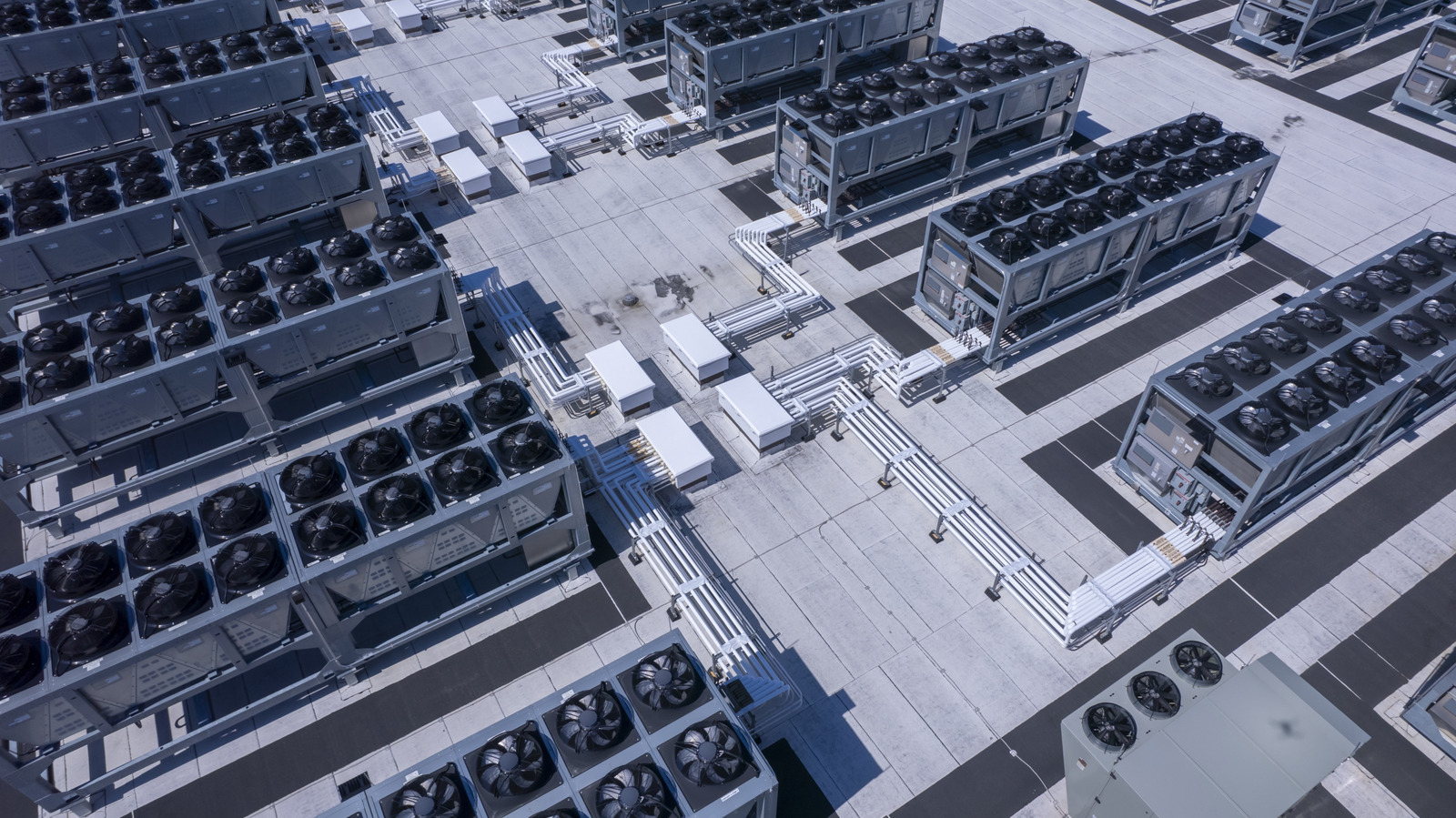
Cover image from engadget.com, which was analyzed for this article
The president called on leading US AI firms to build or buy their own energy infrastructure for data centers. Over 200 companies signed a related pledge to protect consumers from rising costs.
PoliticalOS
Friday, July 24, 2026 — Tech
More than 200 companies and officials have signed a non-binding pledge to shield consumers from data-center electricity costs, yet no enforcement exists and one projection already shows a 10.5 percent summer bill increase. Readers should watch whether signers actually fund new generation and upgrades or whether costs still shift to ratepayers.
What outlets missed
The Axios article addressed AI bioweapons risks instead of the data-center pledge and therefore supplied no information on signatory numbers, the non-binding structure, or the NEADA cost projection. No outlet provided data on actual infrastructure spending by signers to date or on regional variations in electricity price effects. Coverage omitted any statements from Democratic governors or consumer-advocacy groups on the pledge's adequacy.
Hundreds Sign On to Trump Data Center Pledge as AI Experts Flag Bio Risks
More than 200 companies, utilities and Republican governors have signed President Trump's Ratepayer Protection Pledge, committing to shield consumers from higher electricity bills tied to data center expansion. The White House presented the move as a broad industry effort to absorb the costs of new power infrastructure rather than pass them along. Signatories include Google, Meta, Microsoft and Amazon, along with major utilities and 23 governors.
The pledge, first floated in March, asks participants to build or procure additional generation capacity to meet AI-driven demand and to fund grid upgrades directly. Yet the document carries no enforcement mechanism or penalties for noncompliance, leaving its practical effect dependent on voluntary follow-through by firms whose primary obligation remains delivering returns to shareholders.
At the same time, private conversations among AI leaders reveal a separate set of concerns that have not been addressed through similar public commitments. In recent surveys and closed-door exchanges, researchers and executives at leading labs have identified AI-assisted biological weapons as the scenario they consider most plausible and hardest to contain. A joint MIT and University of Queensland study of 272 researchers assigned roughly a 12 percent probability, even with mitigation, that AI-enabled capabilities could produce a catastrophic outcome by 2030, defined as more than one million deaths or $100 billion in damage. Without additional safeguards, that figure rises above 20 percent.
The two developments sit alongside each other without direct connection in official statements. The energy pledge responds to immediate political pressure in states where data centers are already driving rate cases and infrastructure fights. The bio-risk discussion remains largely internal, surfacing in open letters and academic papers but not yet translated into binding regulatory proposals or industry-wide standards.
Utilities and state regulators have noted that data center load growth is accelerating faster than new generation can be permitted and built in many regions. Some companies have begun contracting for dedicated power plants or negotiating behind-the-meter arrangements. Whether these steps will fully insulate residential and small-business customers remains unclear, given the scale of investment required and the timelines involved in siting and interconnection.
Policy analysts point out that non-binding pledges have historically produced uneven results across sectors. Participation can signal alignment with the administration while deferring harder decisions about cost allocation and oversight. In parallel, the absence of standardized requirements for AI model evaluations or access controls leaves the bio-risk pathway largely unaddressed at the federal level.
Both the energy and safety questions ultimately turn on institutional capacity. State utility commissions must decide how to allocate billions in grid upgrades. Federal agencies and Congress have yet to settle on durable rules for advanced AI systems. The gap between announced intentions and enforceable mechanisms continues to shape the practical trajectory of AI deployment.
You just read Liberal's take. Want to read what actually happened?
More in Technology

Democratic Wins Heighten Scrutiny of Data Center Expansion
Newly empowered Democrats signaled opposition to rapid AI data center growth on public lands and elsewhere. This contributed to market pressure on chipmakers and infrastructure firms.
Nvidia Faces Added Scrutiny on AI Shipments After Midterms
Nvidia faces increased monitoring of accelerator shipments amid smuggling concerns to China. Broader regulatory uncertainty from the election weighed on the sector.

Google Ties Search Access to AI Opt-In for K-12 Schools
Google will turn its AI tools off by default for K-12 students starting in 2027 and will restrict Search access for schools that fully block AI. The policy reflects deeper integration of AI into core products. Right-leaning New York Post and tech coverage noted the changes.

FBI Ties $6.3 Billion Binance Hack to North Korea; Pyongyang Fires Missiles
The FBI linked the theft of over $6 billion in cryptocurrency from Binance to North Korea's Lazarus Group, citing social engineering. Laundering the funds is expected to take months. Engadget, New York Post, and other outlets reported on the investigation.
The Compass
You just read five takes on one story.
What's your take? Find your political shape in a few minutes.
Take the test