
Trump Delays 50% Canada Tariffs Three Days After Deal Claim
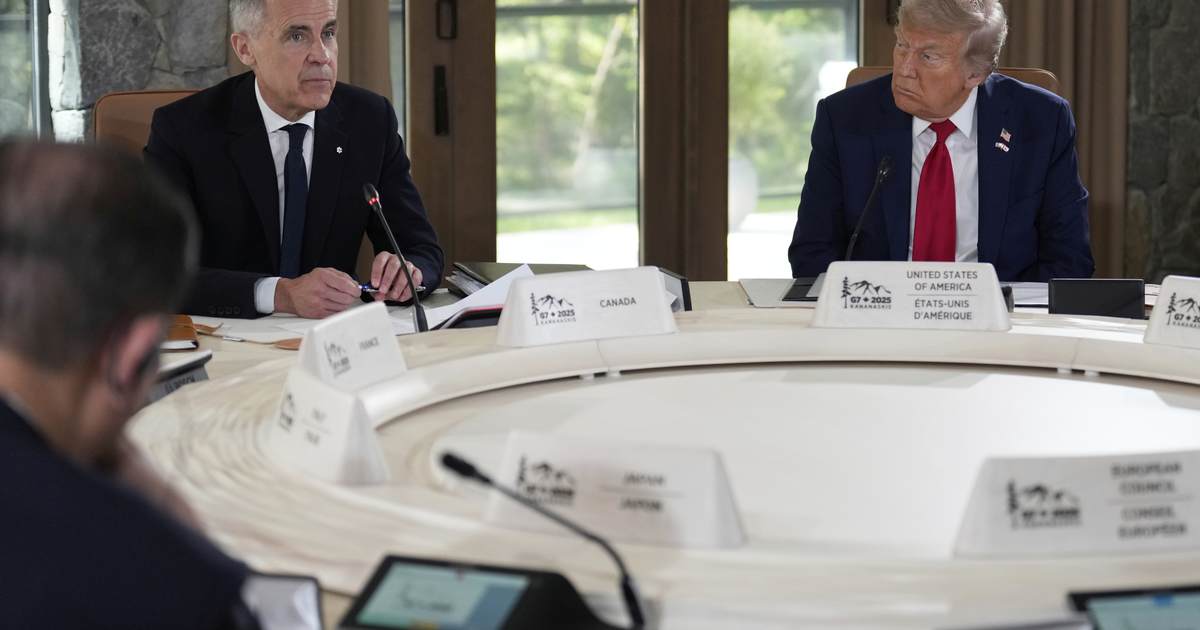
Cover image from redstate.com, which was analyzed for this article
President Trump delayed the tariffs following a deal reached just before the deadline, averting immediate trade escalation. The move was tied to broader discussions including Keystone XL revival. Left and right sources reported the backtrack and market relief.
PoliticalOS
Wednesday, August 19, 2026 — Business
The three-day extension keeps the core dispute alive rather than resolving it. Canada must still deliver concrete changes on dairy, liquor, and autos by Saturday or face automatic tariffs, while broader existing duties on steel and vehicles continue unchanged.
What outlets missed
The tariffs exempted Canada's largest export categories to the United States, including oil, gas, potash, and critical minerals, limiting their reach to a narrow slice of bilateral trade. Provincial governments control liquor sales, so any Canadian commitment on U.S. spirits requires cooperation from premiers such as Ontario's Doug Ford. The three-day window leaves unresolved whether Canada will also secure reductions in the separate Section 232 tariffs on steel, aluminum, and vehicles that remain in force.
Trump Pauses Tariffs on Canadian Imports Pending Final Deal
President Donald Trump announced late Tuesday a three-day delay on 50 percent tariffs covering nearly 20 billion dollars in Canadian goods, citing a deal reached subject to final documents. The tariffs had been scheduled to take effect at midnight, but the White House proclamation shifted the effective date to 12:01 a.m. Eastern Time on August 22.
Trump posted on Truth Social that Canada and the United States have a deal after weeks of negotiations led by U.S. Trade Representative Jamieson Greer. He linked the pause to the potential revival of the Keystone XL Pipeline, a project blocked by the prior administration over environmental objections. The pipeline would transport oil from Alberta to Steele City, Nebraska, and its restoration would mark a reversal of policies that limited North American energy development.
The U.S. Trade Representative's office outlined key elements of the agreement, including comprehensive market access for American goods, economic security commitments, and digital trade alignment. Additional provisions address duties on dairy products, alcoholic beverages, and motor vehicles, areas where Canada had maintained restrictions that limited U.S. exports. These measures grew from earlier disputes involving American liquor, cheese, automobiles, and auto parts.
Canadian Prime Minister Mark Carney acknowledged substantial progress in talks but noted that important work remains. He emphasized Canada's focus on building a stronger and more competitive economy. Industry sources indicated that existing U.S. auto tariffs had been a point of contention, and Canadian officials have not yet confirmed all details of the proposed terms.
The delay gives negotiators until the end of the week to complete paperwork. Previous rounds of tariffs and retaliatory actions, such as Canada's removal of American liquor from store shelves, had disrupted cross-border trade flows. The current framework aims to resolve those imbalances through expanded access rather than continued escalation.
Data on bilateral trade shows that U.S. exports in targeted sectors like dairy and vehicles faced higher barriers in Canada compared with the reverse flow. Reviving the pipeline project alongside tariff relief could increase energy supplies and reduce reliance on overseas sources. Trade analysts have long noted that such infrastructure supports domestic employment in construction, refining, and related industries.
The episode illustrates how tariff threats can prompt concessions on longstanding market barriers. Past policies that prioritized environmental restrictions over energy production contributed to higher costs and reduced options for American consumers and manufacturers. The pause reflects an effort to align trade outcomes more closely with domestic economic priorities while maintaining pressure for reciprocal treatment.
Negotiations continue amid uncertainty over final commitments. Both sides have engaged in multiple rounds of discussions this week, including direct calls between the leaders. The outcome will determine whether the tariffs proceed or whether broader adjustments reshape the trading relationship.
You just read Conservative's take. Want to read what actually happened?
More in Business & Economy

Business Activity Holds Up as Selling Prices Rise Fastest Since 2022
S&P Global PMI shows robust activity but selling prices rise at fastest pace since 2022 amid energy and supply chain costs. Halloween candy prices jump 7.7%.

Stock Futures Climb on Anthropic IPO Filing and AI Financing
Major indices rose on enthusiasm from Anthropic's IPO filing and broader AI infrastructure announcements including Meta's massive fundraising plans. Investors are betting heavily on continued AI growth despite valuation concerns.
Tariffs and AI Transition Fuel Growth and Job Worries
Trump's tariff rhetoric and AI-driven restructuring raised concerns about growth, inflation, and job impacts as markets reacted to geopolitical and tech shifts.

AI Companies Weigh Early IPOs as Risks Mount
Nasdaq fell sharply amid concerns over AI spending sustainability and data center costs; Nvidia, Meta, and others were hit as Meta and Tesla reported earnings.
The Compass
You just read five takes on one story.
What's your take? Find your political shape in a few minutes.
Take the test