
Trump Delays 50% Canada Tariffs Three Days After Deal Claim
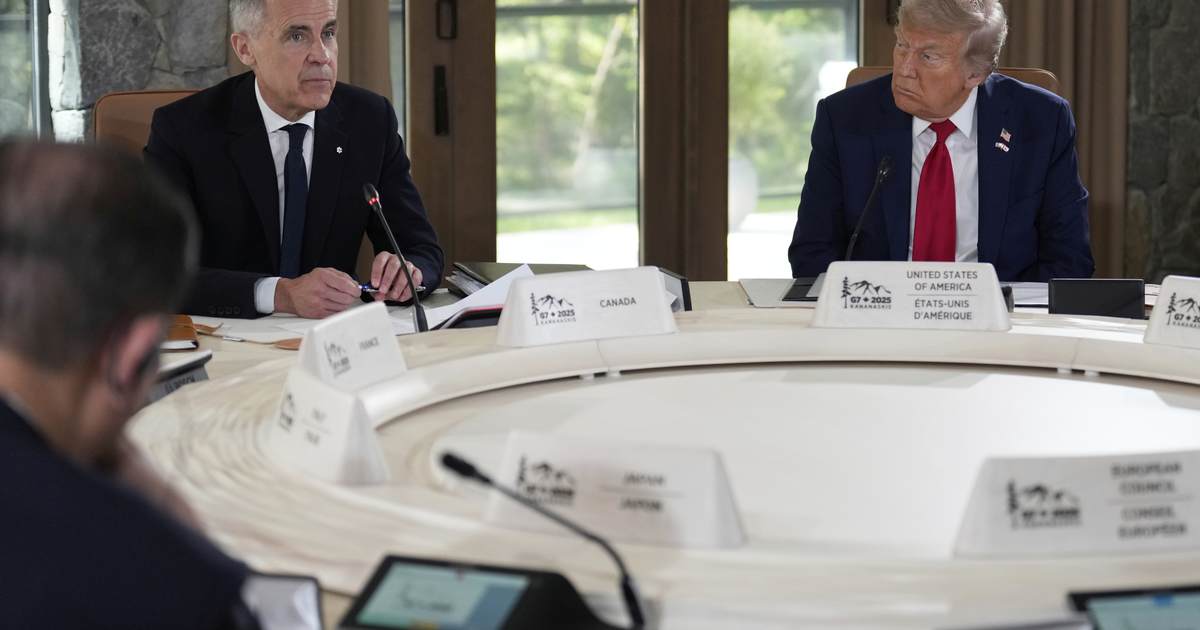
Cover image from redstate.com, which was analyzed for this article
President Trump delayed the tariffs following a deal reached just before the deadline, averting immediate trade escalation. The move was tied to broader discussions including Keystone XL revival. Left and right sources reported the backtrack and market relief.
PoliticalOS
Wednesday, August 19, 2026 — Business
The three-day extension keeps the core dispute alive rather than resolving it. Canada must still deliver concrete changes on dairy, liquor, and autos by Saturday or face automatic tariffs, while broader existing duties on steel and vehicles continue unchanged.
What outlets missed
The tariffs exempted Canada's largest export categories to the United States, including oil, gas, potash, and critical minerals, limiting their reach to a narrow slice of bilateral trade. Provincial governments control liquor sales, so any Canadian commitment on U.S. spirits requires cooperation from premiers such as Ontario's Doug Ford. The three-day window leaves unresolved whether Canada will also secure reductions in the separate Section 232 tariffs on steel, aluminum, and vehicles that remain in force.
Trump Delays Tariffs on Canada Hours Before Deadline
President Donald Trump announced a three-day pause on 50 percent tariffs targeting nearly $20 billion in Canadian imports just 90 minutes before they were set to take effect early Wednesday. In a late-night Truth Social post, Trump claimed the United States and Canada had reached a deal, though he offered no specifics beyond hinting at the revival of the Keystone XL pipeline project that former President Joe Biden canceled in 2021 on environmental grounds.
The tariffs, which Trump had ordered in July, would have hit a range of Canadian products including hockey sticks and building materials. They stemmed from ongoing disputes over U.S. access to Canadian dairy markets, retaliatory Canadian restrictions on American liquor, and auto tariffs. Trump linked the pause directly to Keystone XL, writing that the pipeline "may be awoken from the grave." The White House later issued a formal proclamation moving the effective date to 12:01 a.m. Eastern Time on August 22.
Canadian Prime Minister Mark Carney struck a more measured tone in his response. While acknowledging the delay, Carney stated that substantial progress had been made but important work remained. He emphasized Canada's focus on building a stronger, more independent economy rather than confirming any final agreement. Industry sources familiar with the talks noted that existing U.S. auto tariffs had been a major sticking point in negotiations.
The U.S. Trade Representative's office praised the development, claiming the prospective deal would deliver comprehensive market access for American goods along with economic security commitments and digital trade alignment. No further details were released, and Canadian officials have not verified those provisions. The sudden shift comes after weeks of intense but opaque discussions between the two sides, including a Tuesday phone call between Trump and Carney.
Critics have pointed to the episode as another example of erratic trade policy that creates uncertainty for businesses on both sides of the border. The proposed tariffs represented a sharp escalation in tensions that already included Canadian countermeasures against U.S. liquor sales. Environmental groups have long opposed Keystone XL over climate concerns, viewing its potential revival as a reversal of prior efforts to curb fossil fuel infrastructure.
Trump's announcement provided no timeline for finalizing documents or confirmation that Canada had agreed to the pipeline's return. The episode leaves the underlying disputes over dairy, alcohol, and automobiles unresolved as the new deadline approaches.
You just read Progressive's take. Want to read what actually happened?
More in Business & Economy

Business Activity Holds Up as Selling Prices Rise Fastest Since 2022
S&P Global PMI shows robust activity but selling prices rise at fastest pace since 2022 amid energy and supply chain costs. Halloween candy prices jump 7.7%.

Stock Futures Climb on Anthropic IPO Filing and AI Financing
Major indices rose on enthusiasm from Anthropic's IPO filing and broader AI infrastructure announcements including Meta's massive fundraising plans. Investors are betting heavily on continued AI growth despite valuation concerns.
Tariffs and AI Transition Fuel Growth and Job Worries
Trump's tariff rhetoric and AI-driven restructuring raised concerns about growth, inflation, and job impacts as markets reacted to geopolitical and tech shifts.

AI Companies Weigh Early IPOs as Risks Mount
Nasdaq fell sharply amid concerns over AI spending sustainability and data center costs; Nvidia, Meta, and others were hit as Meta and Tesla reported earnings.
The Compass
You just read five takes on one story.
What's your take? Find your political shape in a few minutes.
Take the test