
Trump Sets 100% Tariffs on Heavy, Sensitive Drones
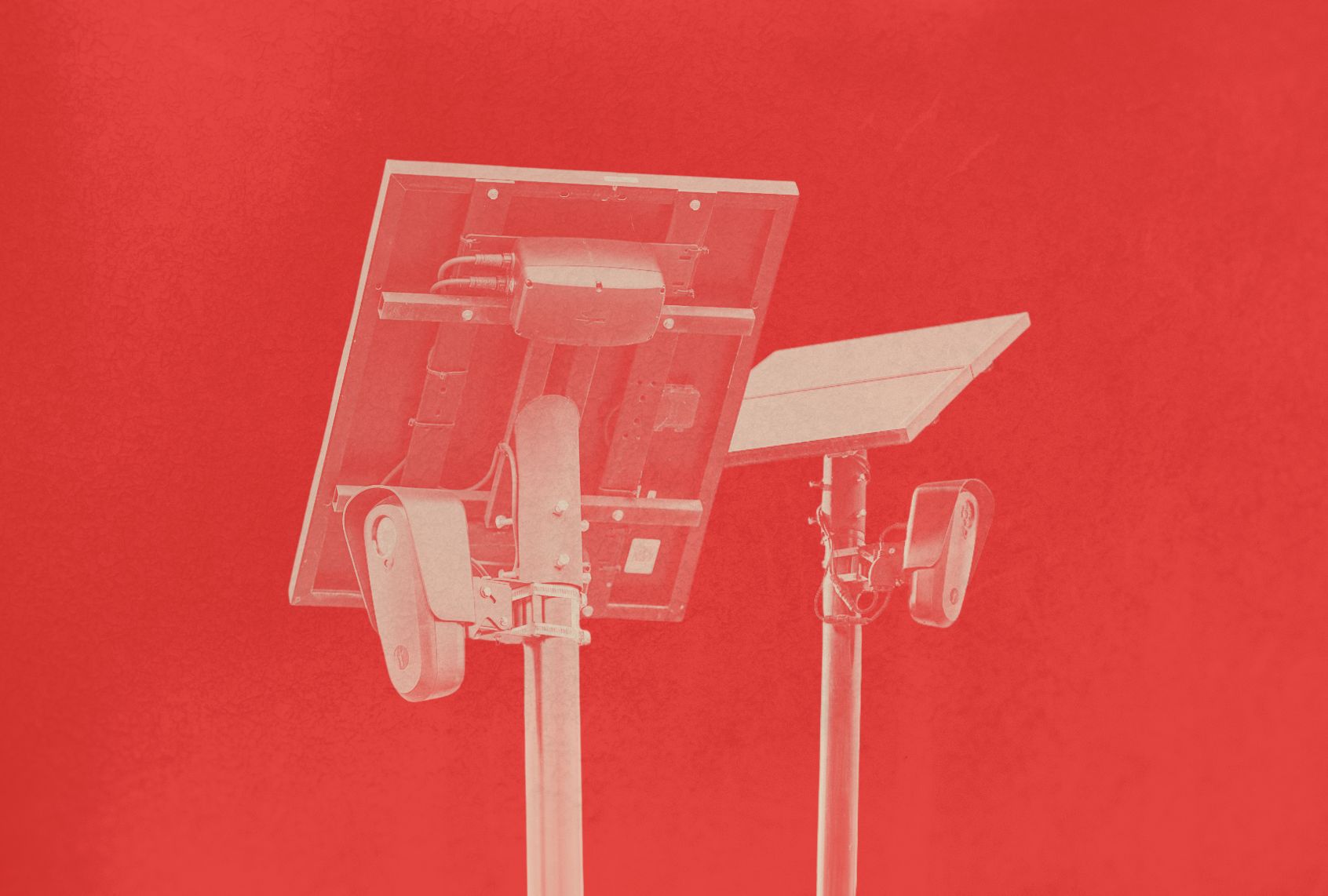
Cover image from salon.com, which was analyzed for this article
New 100% tariffs target imported drones and unmanned systems to strengthen US national security and domestic supply chains. The move aligns with broader efforts to rebuild naval industrial capacity.
PoliticalOS
Friday, August 14, 2026 — Business
The tariffs impose immediate cost increases on commercial drone users while attempting to build domestic capacity that does not yet exist at scale. Operators must either absorb higher prices or accept reduced capabilities until U.S. alternatives emerge.
What outlets missed
The Engadget report accurately captured the tariff tiers and stated goals but omitted any discussion of naval industrial capacity rebuilding referenced in the policy summary. No outlet provided data on projected cost increases for operators or timelines for U.S. production scale-up. The Salon article covered an unrelated surveillance camera controversy and supplied no information on the drone tariffs at all.
Operators of commercial drones used for power line inspection, crop spraying and search and rescue now face sharply higher costs for imported equipment. The White House announced tariffs reaching 100 percent on drones over 25 kilograms or those fitted with docking stations and thermal imaging, along with their components. Smaller drones from dominant supplier DJI will carry a 25 percent levy, while units from the EU, Japan, Korea, Switzerland and Taiwan face 15 percent and UK models 10 percent.
The policy targets national security risks and aims to shift production onshore. It closes a loophole allowing Chinese parts to be assembled domestically and pairs the duties with new incentive programs for U.S. manufacturers. Vendors will pay the tariffs and pass costs to buyers, as occurred with earlier rounds of duties. The changes follow a separate FCC decision to block sales of certain LiDAR-equipped drones previously cleared for use.
China leads global drone manufacturing, with supply chains, specialized factories and engineering expertise that the United States currently lacks. The tariffs apply to both new and existing approved models, increasing pressure on operators who rely on advanced Chinese systems. No timeline for domestic alternatives matching current capabilities has been released.
More in Business & Economy

Major Banks Deliver Mixed Q3 Results on Trading Beats
JPMorgan, Goldman Sachs, Citigroup, and Wells Fargo reported Q3 figures, with revenue beats in trading but some estimate misses. CNBC provided live updates on the results and market reactions.

Oil Falls on Russian Diesel Outlook Despite Geopolitical Risks
Dow futures rose while Nasdaq faced pressure from tech weakness and elevated oil after geopolitical spikes. CNBC tracked premarket moves tied to earnings and Fed speeches.

Hall and Woodford Win Economics Nobel for Stabilization Models
American economists Robert E. Hall and Michael Woodford won the Nobel memorial prize for their research on managing economies through booms and busts, informing central bank policies on inflation and unemployment.

Skydance Closes Paramount-Warner Bros. Discovery Deal
The long-delayed media mega-merger cleared hurdles and began operations under Skydance, consolidating Hollywood power. Center and center-left outlets track the regulatory and business milestones.
The Compass
You just read five takes on one story.
What's your take? Find your political shape in a few minutes.
Take the test