
Trump Sets 100% Tariffs on Heavy, Sensitive Drones
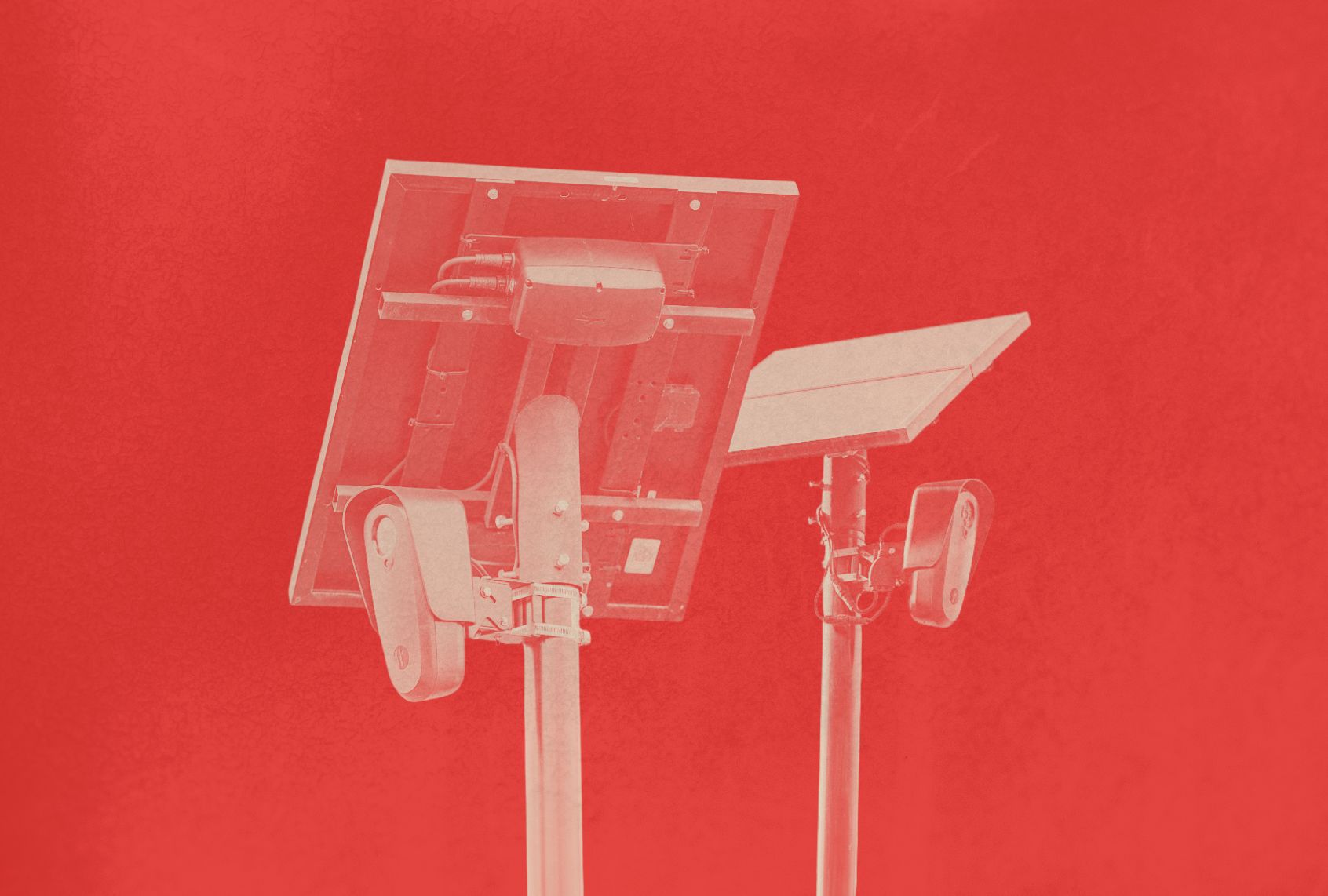
Cover image from salon.com, which was analyzed for this article
New 100% tariffs target imported drones and unmanned systems to strengthen US national security and domestic supply chains. The move aligns with broader efforts to rebuild naval industrial capacity.
PoliticalOS
Friday, August 14, 2026 — Business
The tariffs impose immediate cost increases on commercial drone users while attempting to build domestic capacity that does not yet exist at scale. Operators must either absorb higher prices or accept reduced capabilities until U.S. alternatives emerge.
What outlets missed
The Engadget report accurately captured the tariff tiers and stated goals but omitted any discussion of naval industrial capacity rebuilding referenced in the policy summary. No outlet provided data on projected cost increases for operators or timelines for U.S. production scale-up. The Salon article covered an unrelated surveillance camera controversy and supplied no information on the drone tariffs at all.
Government Surveillance and Trade Barriers Fuel Growing Public Skepticism
Local governments across the country continue to invest in AI-driven license plate readers from Flock Safety, prompting widespread citizen pushback at council meetings and through direct action against the devices. At the same time, the White House has imposed steep tariffs reaching 100 percent on heavier drones and those with advanced features such as thermal imaging, primarily targeting Chinese suppliers like DJI. Both developments reflect a pattern of officials expanding authority through technology and economic controls, often with limited attention to long-term costs or alternatives.
Flock cameras, marketed as tools for public safety, capture vehicle data on a broad scale and store it for law enforcement use. Critics at recent hearings have questioned the expense, which falls on taxpayers, and the privacy implications of centralized tracking. In one West Virginia meeting, a resident highlighted the recoverable materials in each unit, including copper and gold, underscoring how such installations represent tangible resources diverted from other priorities. Similar gatherings have drawn crowds opposing further contracts, suggesting residents prefer targeted policing over blanket data collection that requires ongoing maintenance and updates.
The drone tariffs aim to reduce reliance on foreign equipment for tasks like infrastructure inspection and emergency response. Models over 55 pounds or equipped with docking stations now face the highest duties, while smaller units carry 25 percent levies. Additional rates apply to units from Europe and Asia based on component origins. Officials describe the policy as a national security measure intended to shift production domestically through incentives. Yet such barriers typically raise equipment prices for American operators, including farms, utilities, and search teams, without guaranteeing rapid growth in competitive domestic options.
Thomas Sowell has long documented how interventions justified by security or efficiency often produce opposite effects by distorting price signals and concentrating power. Surveillance networks require sustained funding and data management that can expand beyond initial purposes, while tariffs function as taxes passed along to users and consumers. Both approaches substitute bureaucratic choices for market discovery, where competing providers would respond to actual demand for effective, affordable tools.
Evidence from past trade restrictions shows domestic industries shielded from competition frequently lag in innovation and raise costs for downstream users. Drone operators facing higher prices may delay upgrades or limit operations, slowing productivity gains in agriculture and logistics. Similarly, camera programs have encountered resistance not only from privacy advocates but from those tracking municipal budgets, where funds for hardware and software compete with core services like road repair or policing.
Public responses, ranging from council testimony to informal dismantling of units, illustrate individuals weighing trade-offs when government actions impose visible burdens. Historical patterns indicate that sustained overreach in either surveillance or commerce invites decentralized countermeasures, from political pressure to private alternatives. Market mechanisms, by contrast, have repeatedly delivered scalable technologies without requiring top-down mandates or protected suppliers.
These episodes reinforce the value of limiting government scope to essential functions while allowing voluntary exchange and technological competition to address practical needs. Expanded data systems and import duties alike tend to create constituencies invested in their continuation, even as measurable benefits remain uneven and expenses accumulate.
You just read Conservative's take. Want to read what actually happened?
More in Business & Economy

Business Activity Holds Up as Selling Prices Rise Fastest Since 2022
S&P Global PMI shows robust activity but selling prices rise at fastest pace since 2022 amid energy and supply chain costs. Halloween candy prices jump 7.7%.

Stock Futures Climb on Anthropic IPO Filing and AI Financing
Major indices rose on enthusiasm from Anthropic's IPO filing and broader AI infrastructure announcements including Meta's massive fundraising plans. Investors are betting heavily on continued AI growth despite valuation concerns.

Tariffs and AI Transition Fuel Growth and Job Worries
Trump's tariff rhetoric and AI-driven restructuring raised concerns about growth, inflation, and job impacts as markets reacted to geopolitical and tech shifts.

AI Companies Weigh Early IPOs as Risks Mount
Nasdaq fell sharply amid concerns over AI spending sustainability and data center costs; Nvidia, Meta, and others were hit as Meta and Tesla reported earnings.
The Compass
You just read five takes on one story.
What's your take? Find your political shape in a few minutes.
Take the test