
Trump Sets 100% Tariffs on Heavy, Sensitive Drones
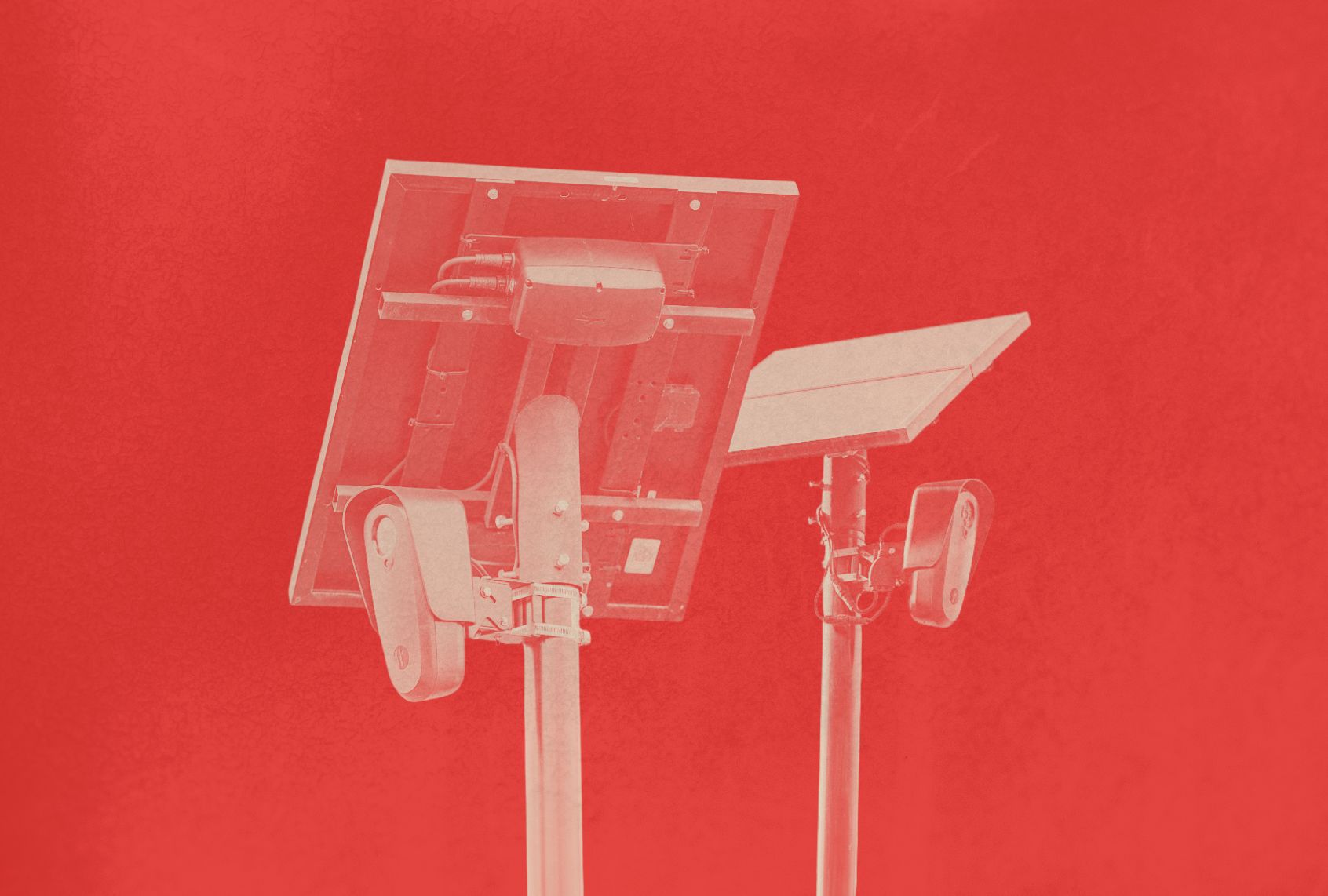
Cover image from salon.com, which was analyzed for this article
New 100% tariffs target imported drones and unmanned systems to strengthen US national security and domestic supply chains. The move aligns with broader efforts to rebuild naval industrial capacity.
PoliticalOS
Friday, August 14, 2026 — Business
The tariffs impose immediate cost increases on commercial drone users while attempting to build domestic capacity that does not yet exist at scale. Operators must either absorb higher prices or accept reduced capabilities until U.S. alternatives emerge.
What outlets missed
The Engadget report accurately captured the tariff tiers and stated goals but omitted any discussion of naval industrial capacity rebuilding referenced in the policy summary. No outlet provided data on projected cost increases for operators or timelines for U.S. production scale-up. The Salon article covered an unrelated surveillance camera controversy and supplied no information on the drone tariffs at all.
Americans Rise Up Against Tech Surveillance Overreach
Americans fed up with constant monitoring are taking matters into their own hands against Flock Safety cameras that local police departments have installed across the country. These AI-powered devices, pitched as simple license plate readers, capture far more data than advertised and feed it into systems that track citizens movements without warrants or oversight. The backlash has turned into a nationwide game of sabotage and public pushback that shows ordinary people rejecting the quiet expansion of a surveillance state.
In Huntington, West Virginia, one resident summed up the frustration at a city council meeting. He told officials he was hungry and then pointed out that each Flock camera contains two to three pounds of copper along with small amounts of gold. The remark went viral as a blunt reminder that these tools of control can be dismantled piece by piece. Similar scenes play out in council chambers from coast to coast, where residents pack meetings to demand an end to taxpayer-funded contracts with the company. Social media fills with footage of cameras being damaged or disabled, and public sentiment runs heavily against the authorities trying to protect them.
Flock Safety markets its products to cities and towns as a crime-fighting tool, yet the cameras operate in networks that store vast amounts of location data on law-abiding drivers. Critics note that this information can be shared with federal agencies and remains vulnerable to misuse by whoever holds power in Washington or at the local level. The technology comes from a company backed by investors with deep ties to Silicon Valley, the same circles that have pushed digital tracking in other areas of daily life. What began as a public safety measure now looks more like another layer of control that treats every citizen as a potential suspect.
The resistance goes beyond isolated vandalism. Communities are organizing to block new installations and defund existing ones, arguing that the cameras erode basic privacy without delivering promised results on crime. In rural and small-town areas especially, the pushback reflects long-standing skepticism toward centralized systems that promise security while delivering dependency on unaccountable tech firms. Local officials who defend the contracts face direct questions about data retention, third-party access, and the lack of transparency around how footage gets used.
This growing opposition fits a larger pattern of Americans questioning the alliance between government and big technology. Whether through data centers powering artificial intelligence or cameras blanketing public roads, the same forces keep expanding their reach into private life. The Huntington speaker and others like him are not radicals but regular citizens drawing a line against tools that make constant tracking the default. Their actions highlight how quickly public tolerance can shift when surveillance becomes visible and unavoidable.
As more cities weigh similar purchases, the pattern of protest and disruption is likely to spread. Officials who ignore the backlash risk turning routine equipment into flashpoints that expose deeper distrust of both tech companies and the politicians who sign the checks. The message from the streets and meeting halls is straightforward: Americans are no longer willing to fund their own monitoring.
You just read America First's take. Want to read what actually happened?
More in Business & Economy

Business Activity Holds Up as Selling Prices Rise Fastest Since 2022
S&P Global PMI shows robust activity but selling prices rise at fastest pace since 2022 amid energy and supply chain costs. Halloween candy prices jump 7.7%.

Stock Futures Climb on Anthropic IPO Filing and AI Financing
Major indices rose on enthusiasm from Anthropic's IPO filing and broader AI infrastructure announcements including Meta's massive fundraising plans. Investors are betting heavily on continued AI growth despite valuation concerns.

Tariffs and AI Transition Fuel Growth and Job Worries
Trump's tariff rhetoric and AI-driven restructuring raised concerns about growth, inflation, and job impacts as markets reacted to geopolitical and tech shifts.

AI Companies Weigh Early IPOs as Risks Mount
Nasdaq fell sharply amid concerns over AI spending sustainability and data center costs; Nvidia, Meta, and others were hit as Meta and Tesla reported earnings.
The Compass
You just read five takes on one story.
What's your take? Find your political shape in a few minutes.
Take the test