
Trump Sets 100% Tariffs on Heavy, Sensitive Drones
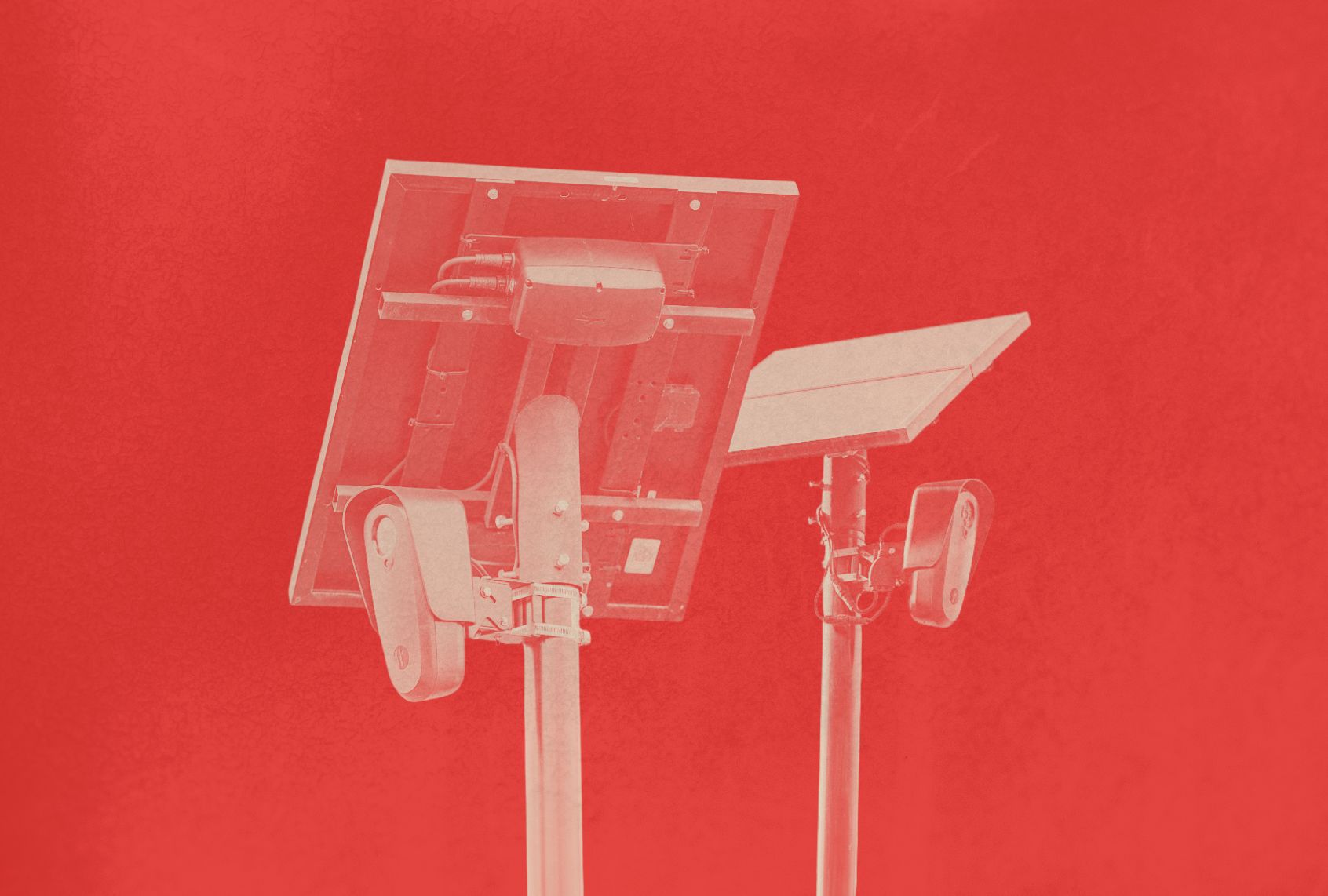
Cover image from salon.com, which was analyzed for this article
New 100% tariffs target imported drones and unmanned systems to strengthen US national security and domestic supply chains. The move aligns with broader efforts to rebuild naval industrial capacity.
PoliticalOS
Friday, August 14, 2026 — Business
The tariffs impose immediate cost increases on commercial drone users while attempting to build domestic capacity that does not yet exist at scale. Operators must either absorb higher prices or accept reduced capabilities until U.S. alternatives emerge.
What outlets missed
The Engadget report accurately captured the tariff tiers and stated goals but omitted any discussion of naval industrial capacity rebuilding referenced in the policy summary. No outlet provided data on projected cost increases for operators or timelines for U.S. production scale-up. The Salon article covered an unrelated surveillance camera controversy and supplied no information on the drone tariffs at all.
Citizens Mobilize Against Network of AI Powered License Plate Cameras
Public frustration with Flock Safety cameras has produced a wave of local protests and acts of vandalism that officials in several cities are struggling to contain. The devices, marketed as tools for tracking license plates to aid law enforcement, have drawn scrutiny over their data collection practices and ties to private technology firms. In recent weeks city council meetings from Huntington, West Virginia, to larger metropolitan areas have filled with residents questioning the cost and reach of the systems.
The cameras operate through partnerships between local governments and Flock Safety, a company that supplies artificial intelligence software capable of reading plates and storing images for extended periods. Proponents argue the technology helps solve crimes by identifying vehicles linked to incidents. Critics counter that the same infrastructure creates detailed records of ordinary movement that can be accessed without individualized warrants in many jurisdictions. The debate has intensified as images of damaged cameras circulate on social media, often accompanied by messages celebrating the removals.
In Huntington, a resident drew widespread attention during a council session by noting the recoverable materials inside each unit, including several pounds of copper and small amounts of gold. His brief statement encapsulated a sentiment heard elsewhere: that the cameras represent an unwelcome expansion of surveillance capacity funded by taxpayers. Similar gatherings have occurred in other communities where residents have questioned contracts and demanded greater transparency about data sharing with federal agencies or third parties.
The pattern echoes earlier organizing against large scale data centers required to train advanced AI models. In both cases, opponents have highlighted how concentrated corporate power shapes public infrastructure with limited oversight. Flock Safety positions its product as a neutral public safety tool, yet the company’s growth depends on municipal budgets and police department adoption. Local officials often cite grant programs or vendor assurances when approving purchases, leaving residents to raise concerns after installation.
Advocates for expanded use point to reductions in certain property crimes in pilot cities. Independent evaluations remain limited, however, and questions persist about error rates, storage security, and potential bias in enforcement outcomes. Civil liberties groups have filed public records requests seeking details on how footage is retained and shared, efforts that have produced uneven results across jurisdictions.
The tariff measures announced on heavy and sensitive drones add another layer to federal technology policy. Those duties target equipment above certain weight thresholds or equipped with advanced sensors, largely affecting models from dominant Chinese manufacturers. The policy aims to encourage domestic production and address security considerations, yet it also raises costs for operators in agriculture, infrastructure inspection, and emergency response. Some analysts note that restrictions on one category of aerial surveillance technology may accelerate interest in ground based alternatives already in place.
Taken together, the episodes illustrate how decisions about data collection and hardware procurement now intersect with everyday governance. City budgets, federal trade rules, and corporate product strategies collectively determine the scope of monitoring available to authorities. Residents responding at public meetings and through direct action are testing whether those arrangements can be reversed or significantly altered once deployed. The outcome will depend on whether local governments adjust contracts, state legislatures impose new limits, or federal policy expands to cover networked camera systems already operating at scale.
You just read Liberal's take. Want to read what actually happened?
More in Business & Economy

Business Activity Holds Up as Selling Prices Rise Fastest Since 2022
S&P Global PMI shows robust activity but selling prices rise at fastest pace since 2022 amid energy and supply chain costs. Halloween candy prices jump 7.7%.

Stock Futures Climb on Anthropic IPO Filing and AI Financing
Major indices rose on enthusiasm from Anthropic's IPO filing and broader AI infrastructure announcements including Meta's massive fundraising plans. Investors are betting heavily on continued AI growth despite valuation concerns.

Tariffs and AI Transition Fuel Growth and Job Worries
Trump's tariff rhetoric and AI-driven restructuring raised concerns about growth, inflation, and job impacts as markets reacted to geopolitical and tech shifts.

AI Companies Weigh Early IPOs as Risks Mount
Nasdaq fell sharply amid concerns over AI spending sustainability and data center costs; Nvidia, Meta, and others were hit as Meta and Tesla reported earnings.
The Compass
You just read five takes on one story.
What's your take? Find your political shape in a few minutes.
Take the test