
Trump Sets 100% Tariffs on Heavy, Sensitive Drones
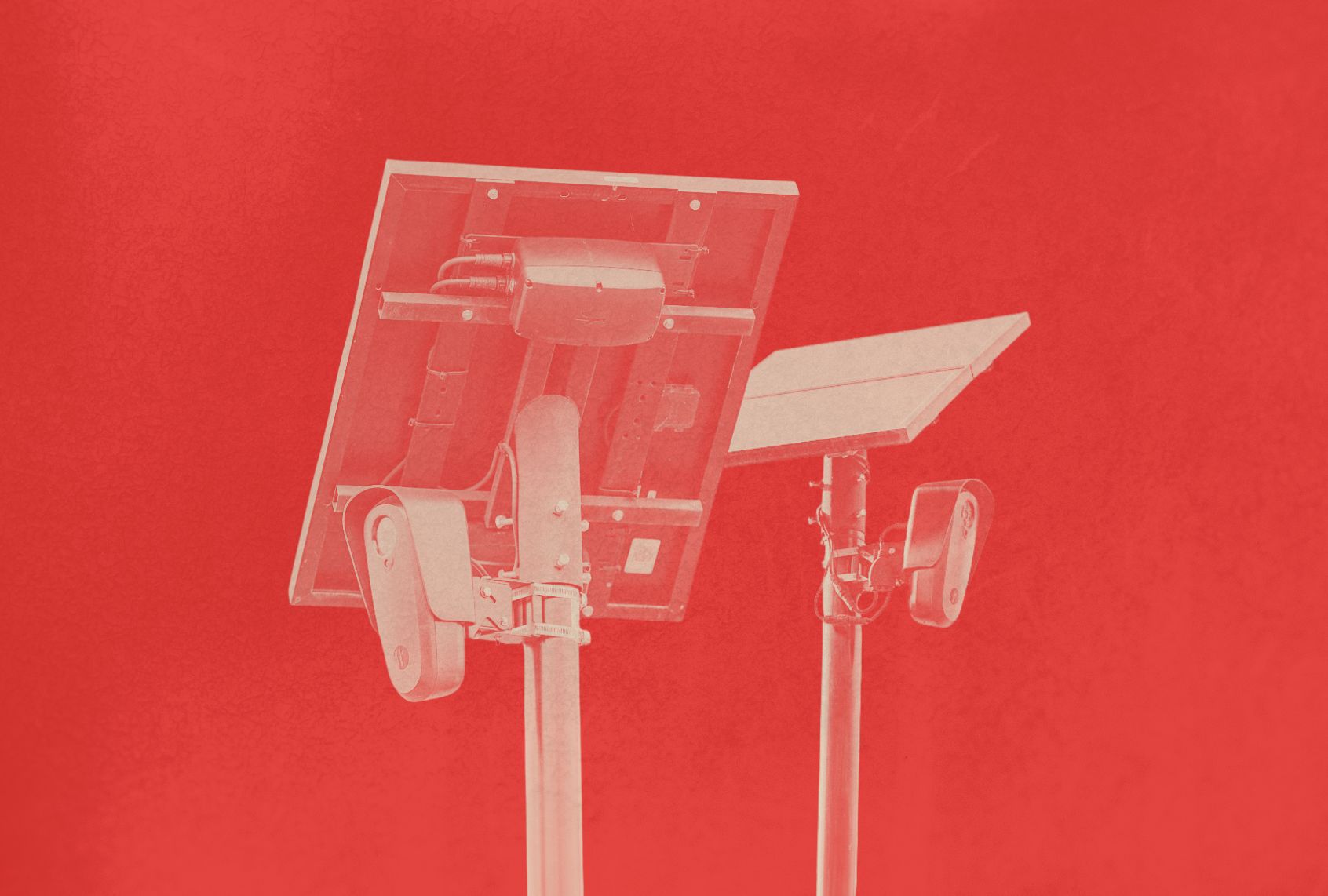
Cover image from salon.com, which was analyzed for this article
New 100% tariffs target imported drones and unmanned systems to strengthen US national security and domestic supply chains. The move aligns with broader efforts to rebuild naval industrial capacity.
PoliticalOS
Friday, August 14, 2026 — Business
The tariffs impose immediate cost increases on commercial drone users while attempting to build domestic capacity that does not yet exist at scale. Operators must either absorb higher prices or accept reduced capabilities until U.S. alternatives emerge.
What outlets missed
The Engadget report accurately captured the tariff tiers and stated goals but omitted any discussion of naval industrial capacity rebuilding referenced in the policy summary. No outlet provided data on projected cost increases for operators or timelines for U.S. production scale-up. The Salon article covered an unrelated surveillance camera controversy and supplied no information on the drone tariffs at all.
Public Backlash Against Flock Cameras Exposes Growing Fury Over Tech Surveillance
Residents from small towns to major cities are mounting a spirited campaign against Flock Safety cameras, the AI-driven license plate readers that police departments have deployed in increasing numbers with little public input. The devices, marketed as tools for solving crimes, have instead triggered widespread protests at city council meetings and acts of vandalism that social media users are celebrating as modern-day resistance to unchecked corporate and government power.
In Huntington, West Virginia, one local resident captured national attention during a council session by bluntly noting that each Flock camera contains valuable copper and gold before walking away. His remarks turned him into an online folk hero and underscored the raw frustration many feel toward surveillance technology sold to local governments by tech firms. Similar scenes have played out elsewhere, with crowds packing meetings to oppose taxpayer funding for the cameras and vandals targeting the units in a cat-and-mouse game that has drawn cheers from observers tired of constant monitoring.
Flock Safety presents its products as neutral public safety measures. Critics argue they function as mass data collection tools that feed into larger systems of tracking and control, often with minimal oversight. The company's cameras capture vehicle movements on a massive scale, raising alarms about privacy erosion at a time when tech billionaires already exert enormous influence over daily life through data extraction and algorithmic governance.
This pushback arrives alongside new federal policies that further entangle technology with national security claims. The Trump administration recently announced tariffs reaching 100 percent on heavier drones and those equipped with thermal imaging or docking stations, measures aimed at Chinese manufacturers like DJI. Lower but still significant levies apply to smaller models and drones from other countries. Officials say the goal is to bolster domestic production and reduce reliance on foreign suppliers for equipment used in inspections, agriculture, and emergency response.
Yet the tariffs also highlight how policy choices can limit options for operators while protecting certain domestic interests. Chinese drones have dominated the U.S. market because of their capabilities and affordability. Forcing shifts to alternatives could raise costs and slow adoption in critical sectors, all under the banner of security. Progressive observers see parallels with the Flock rollout: both involve top-down technology decisions that sideline public concerns about surveillance, data flows, and corporate profits.
The Flock protests stand out for their accessibility and humor. Participants have turned council chambers into arenas of direct democracy, while online communities track camera damage with a mix of solidarity and irreverence. This energy echoes other recent mobilizations against data centers powering artificial intelligence, where communities resist the environmental and infrastructural burdens imposed by tech expansion. Together these actions suggest a broader awakening to how surveillance infrastructure and digital tools concentrate power in few hands.
Local officials defending the cameras cite crime reduction statistics, but skeptics demand evidence that the benefits outweigh the privacy trade-offs. In many cases, the technology has expanded without clear rules on data retention, sharing with federal agencies, or misuse. The Huntington speaker's quip about extracting metals from cameras captured a sentiment that people will not passively accept systems designed to watch them.
As these rebellions gain traction, they challenge the assumption that technological deployment is inevitable or inherently beneficial. Whether through council votes or creative disruption, citizens are signaling that consent matters and that tech billionaires and compliant politicians cannot simply impose monitoring regimes without consequence. The coming months will test whether this momentum produces lasting policy changes or remains episodic pushback against an expanding surveillance apparatus.
You just read Progressive's take. Want to read what actually happened?
More in Business & Economy

Business Activity Holds Up as Selling Prices Rise Fastest Since 2022
S&P Global PMI shows robust activity but selling prices rise at fastest pace since 2022 amid energy and supply chain costs. Halloween candy prices jump 7.7%.

Stock Futures Climb on Anthropic IPO Filing and AI Financing
Major indices rose on enthusiasm from Anthropic's IPO filing and broader AI infrastructure announcements including Meta's massive fundraising plans. Investors are betting heavily on continued AI growth despite valuation concerns.

Tariffs and AI Transition Fuel Growth and Job Worries
Trump's tariff rhetoric and AI-driven restructuring raised concerns about growth, inflation, and job impacts as markets reacted to geopolitical and tech shifts.

AI Companies Weigh Early IPOs as Risks Mount
Nasdaq fell sharply amid concerns over AI spending sustainability and data center costs; Nvidia, Meta, and others were hit as Meta and Tesla reported earnings.
The Compass
You just read five takes on one story.
What's your take? Find your political shape in a few minutes.
Take the test