
Trump's Iran Focus Deepens Economic Pain as Diesel Surges and Polls Slide

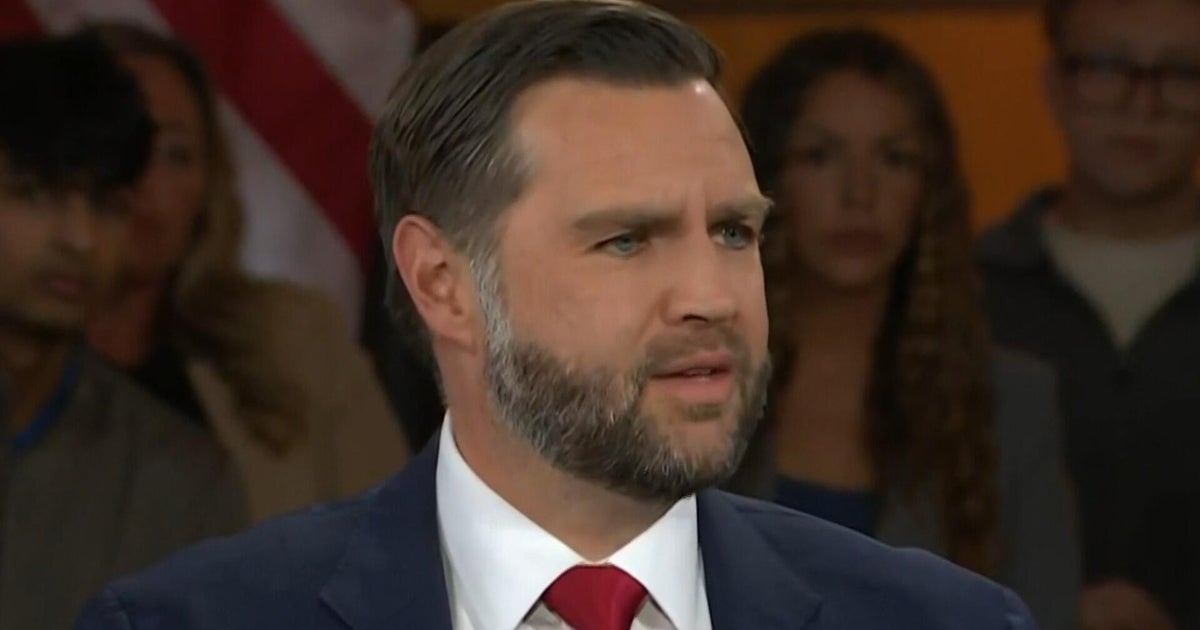
Cover image from cnbc.com, which was analyzed for this article
Trump's focus on Iran over economy draws criticism as polls sour and energy woes mount. Republicans test coalition limits; intelligence shapes blockade tactics. Surveys reveal voter concerns on growth.
PoliticalOS
Thursday, April 23, 2026 — Business
The Iran confrontation has produced measurable economic damage through diesel and gasoline spikes that hit transportation and supply chains hardest, driving Trump's approval on the economy to its lowest levels yet. While many voters back efforts to curb Iran's nuclear program, majorities in recent polling say the financial and safety costs have not been worth it, creating genuine unease among Republicans defending narrow majorities in 2026. The coming months will test whether fuel prices ease quickly enough to let the White House refocus on domestic growth or whether the blockade's pain becomes the dominant midterm narrative.
What outlets missed
Most outlets underplayed how Persian Gulf crude's chemical profile makes it uniquely suited to diesel and jet fuel production, a technical factor that explains why diesel prices outpaced gasoline even before the strait closure. Coverage also gave short shrift to U.S. intelligence assessments that shaped the blockade's targeting to avoid total supply collapse, according to references in CFR and related diplomatic reporting. Pre-war diesel market tightness, documented by the EIA for months prior, received little context, making the spike appear solely the result of sudden war rather than a vulnerable system meeting disruption. Finally, few pieces connected Russia's potential gains as an alternative supplier or the full scope of EPA regulatory waivers and domestic drilling adjustments that the administration has quietly pursued.
Trump Approval Plunges as Iran War Fuels Diesel Crisis and Economic Pain for Working Families
President Donald Trump's overall approval rating has fallen to the lowest level of his two terms as Americans grapple with the direct consequences of the ongoing war with Iran, including fuel prices that are hammering truckers, farmers, and anyone who buys goods at the store. A new CNBC All-America Economic Survey shows just 40 percent of the country approves of Trump's job performance, down five points from last quarter, while 58 percent disapprove. His net approval rating now sits at negative 18, a ten-point drop and the worst measurement since the dark days of the pandemic in 2020.
The numbers reflect a country that is increasingly sour on both the president and the economy he once promised to supercharge. High gasoline prices are bad enough, up 27 percent from a year ago and averaging around $4.30 a gallon according to federal forecasts. But diesel has become the real economic killer. Since the conflict began in late February, diesel prices have surged 45 percent, far outpacing gasoline. The Energy Information Administration expects diesel to peak above $5.80 a gallon this month. That is not some abstract statistic. Diesel powers the trucks that move nearly everything Americans eat, wear, and use. When those costs explode, the pain travels straight to family budgets through higher food prices, delivery fees, and everyday goods.
The war has choked off supplies from Persian Gulf producers who make a disproportionate amount of diesel and jet fuel. Supplies were already tight before the first strikes. Now the buffer is gone, and the transportation industry that keeps America running is paying the price. Trucking companies face margin-crushing increases while ordinary drivers fill up at pumps that feel more like a penalty than a purchase. This is the opposite of the America First economy Trump sold to voters in 2016 and again in 2024. Back then, cheap energy and rising wages formed the heart of his deal with working people. That deal is now under serious strain.
Republican circles are showing quiet panic as the 2026 midterm elections loom just months away. Trump has spent recent days posting about everything but the economy: a proposed triumphal arch, a UFC event at the White House, complaints about the new pope, and even an AI-generated image of himself as Jesus that was quickly deleted. When he does mention costs, the rhetoric does not match what families see at the gas station. Declaring that prices are "not very high" ignores the reality faced by truckers idling in lots and farmers calculating whether they can afford to harvest this season.
Even Trump's support among his own party has taken a noticeable hit. Republican net approval fell 17 points, driven by an eight-point drop in overall support to 82 percent. Non-MAGA Republicans saw their backing collapse by 19 points to just 60 percent. Only the core MAGA base remains unshaken at 96 percent approval. Pollster Micah Roberts of Public Opinion Strategies downplayed the shift, arguing that five points is not catastrophic in such a "fraught time" of war and inflation. But the trend is unmistakable. When pocketbook issues suffer, even loyal voters start asking hard questions.
The conflict itself enjoys significant public support on national security grounds. Polling has long shown Iran as one of America's most disliked adversaries, with large majorities viewing its nuclear program as a serious threat. Action against the regime tracks with years of voter sentiment. Yet translating that into sustained political support is proving difficult when the immediate result is more expensive diesel for the heartland and empty promises about quickly restoring order.
The administration has tried to pivot toward economic warfare, pressuring banks in the UAE, Oman, China, and Hong Kong to cut off Iran's shadow financing networks. Treasury has identified institutions that help Tehran move money outside the SWIFT system. But enforcement remains uneven. Turkey stands out as the weakest link. Iranian-linked currency exchange houses in Istanbul and Ankara continue to provide Tehran with hard currency and sanctions-evasion routes. These operations require little documentation and allow near-instant transfers, sustaining Iran's ability to fund its military and proxies. Previous Treasury designations of key players have not fully closed the gaps, leaving critics to wonder whether the economic pressure is as serious as the military campaign.
This combination of foreign entanglement, rising prices, and distracted leadership has independents and even some traditional Republicans wondering whether the original Trump bargain is being kept. The president built his brand on knowing how to run an economy that works for people who drive trucks, build things, and live far from Washington or New York. Those voters remember the pre-pandemic years of low unemployment, affordable energy, and rising real wages. They are now watching diesel prices threaten to spike the cost of everything that moves on wheels.
The White House has begun trying to shift the conversation back to cost-of-living issues in recent days. Whether that is enough to reverse the damage remains to be seen. For now, the numbers are clear: a war sold as necessary for national security is delivering a domestic economic blow that Americans feel in their wallets every single day. When diesel doubles and approval ratings follow it downward, even the most loyal political base starts to ask whether the price of foreign fights is worth what it is costing at home. The 2026 elections will test whether voters decide the current path is delivering the prosperity they were promised or simply another chapter in endless conflict that benefits everyone except the average American family.
You just read America First's take. Want to read what actually happened?
More in Business & Economy

Stocks Rise on Earnings as Home Sales Hit Low
Major indices closed mixed to higher, led by healthcare and defensive stocks, as companies like Eli Lilly and UnitedHealth reported strong results. Pending home sales hit record lows.

US Stocks Mixed as Tech Rebounds on AI Optimism
The Dow slipped slightly while the S&P 500 and Nasdaq rose, led by Nvidia, AMD, and Intel gains on renewed AI sector confidence after prior drops. Broader market volatility tied to earnings and data center demand.

Trump Unveils $8 Billion Diesel Relief for Farmers
The Agriculture Department launched the program to offset record diesel prices for farmers, framed as economic aid and a midterm pitch in Kansas amid ongoing inflation and energy cost pressures.
CPI Rises to 3.7 Percent as Energy Costs Climb Amid Iran Conflict
Hotter-than-expected CPI figures fueled rate hike fears and contributed to sharp declines in AI and tech stocks. Left and right economic commentary debates Trump policies versus Fed actions.
The Compass
You just read five takes on one story.
What's your take? Find your political shape in a few minutes.
Take the test