
Trump Proposes Suspending Federal Gas Tax Until Iran Conflict Ends
Cover image from slate.com, which was analyzed for this article
The president floated suspending the federal gas tax to ease consumer costs amid rising inflation and global uncertainty. The idea received mixed coverage across political lines with business outlets examining fiscal implications.
PoliticalOS
Sunday, May 17, 2026 — Business
Trump’s call for a temporary federal gas-tax suspension highlights a live policy tension between immediate consumer relief and dedicated infrastructure funding. California’s higher state taxes and past ballot disputes illustrate how the same trade-offs play out at the state level. Readers should weigh whether any suspension would reach drivers or simply shift costs elsewhere.
What outlets missed
Most coverage omitted that federal gas-tax revenue flows into the Highway Trust Fund under formulas set by Congress, creating a direct link between any suspension and future road spending. Few outlets examined whether past temporary suspensions in other countries reached consumers or were absorbed by refiners. The statutory dedication of California’s SB 1 revenues to listed projects was rarely quantified, leaving readers without a clear picture of the scale of potential offsets required.
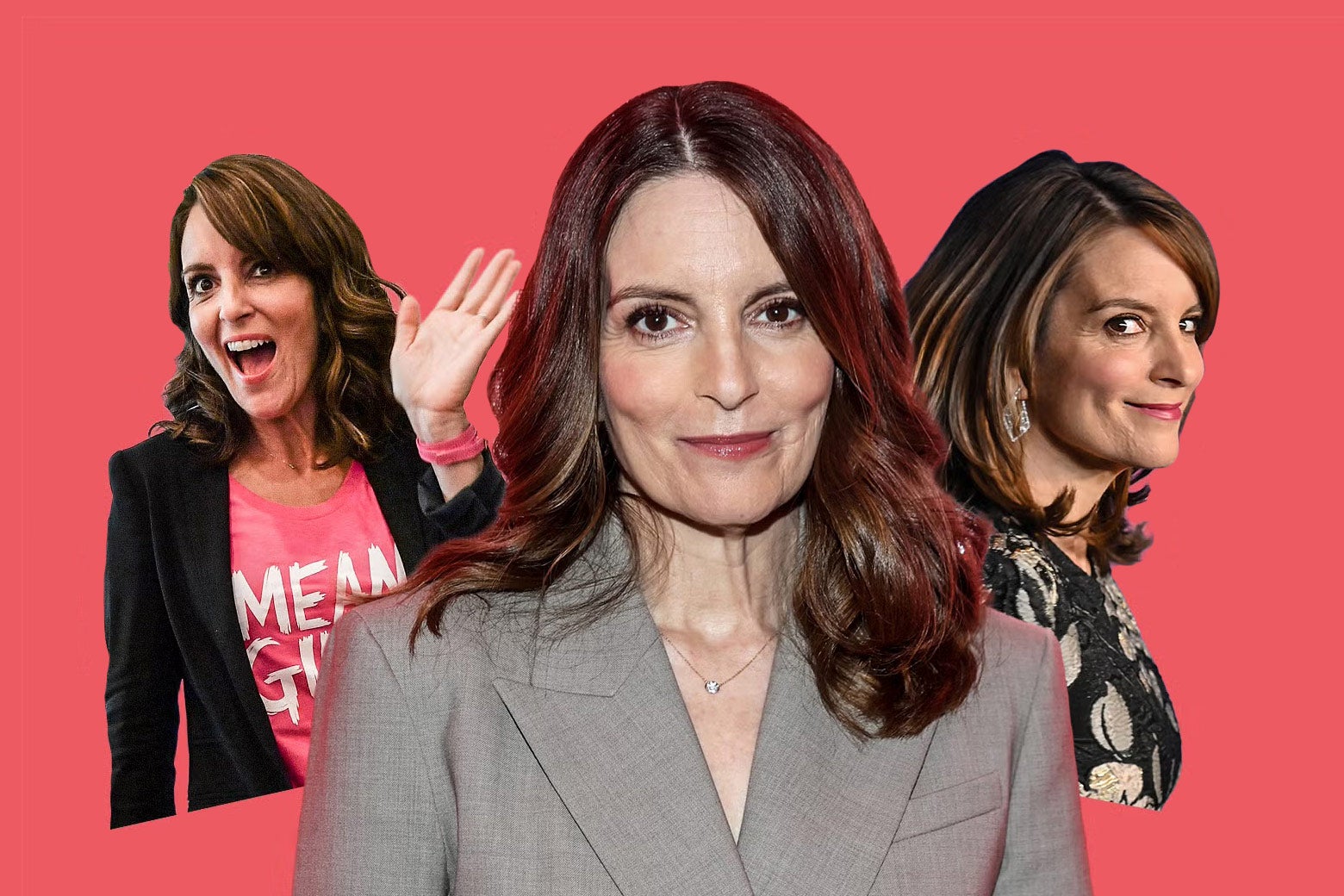
Tina Fey Positions Herself for a Potential Leadership Role at Saturday Night Live
Tina Fey's recent appearance hosting the premiere of Saturday Night Live's British edition offered more than just a comedic monologue. It highlighted her longstanding ties to the show and fueled speculation about whether she could one day lead it. During the broadcast, Fey addressed the audience with characteristic directness, noting that she was there as a longtime employee to assist with the new cast. She kept her own performances minimal, emphasizing support for the performers rather than centering herself.
This approach aligns with the qualities that have defined Fey's career since her time as a writer and performer on the original SNL in the late 1990s and early 2000s. She later created and starred in 30 Rock, a series that drew heavily from her experiences inside the show's production environment. Observers have long viewed that background as preparation for overseeing the franchise. The British edition, still finding its footing with an unfamiliar cast, provided a low-stakes setting to test how she might guide emerging talent without overshadowing them.
SNL itself faces ongoing questions about its future direction. Creator Lorne Michaels has guided the program through multiple eras, but transitions at long-running institutions often bring both opportunity and uncertainty. A figure like Fey brings institutional knowledge that could ease such a shift. She understands the show's rhythms, the demands of live television, and the balance between topical satire and character-driven sketches. At the same time, her outside projects have kept her connected to broader comedy trends, including streaming formats and film work.
Critics and industry watchers note that few alumni combine Fey's level of sustained success with continued proximity to the brand. Other prominent former cast members have pursued independent paths in film or late-night hosting, sometimes with less direct involvement in sketch production. Fey's willingness to appear in supporting roles during the British premiere suggested a collaborative style rather than a star-driven one. That restraint could prove useful in managing a writers' room and cast that must refresh itself annually.
The timing of such speculation coincides with broader conversations about leadership in entertainment institutions. Many legacy programs are navigating generational turnover, audience fragmentation, and evolving standards for humor. SNL has survived previous changes in tone and personnel, yet each shift tests its ability to remain culturally relevant. Placing someone with deep experience at the helm might preserve continuity while allowing measured adaptation.
Fey has not publicly confirmed interest in the position. Her comments in Britain focused on immediate tasks rather than long-term ambitions. Still, the pattern of her career shows repeated returns to the SNL orbit, whether through hosting duties, writing contributions, or public reflections on its influence. Those patterns keep the possibility alive among those who track the show's internal dynamics.
Any eventual transition would involve decisions by Michaels, NBC executives, and other stakeholders. Past handoffs at the program have been gradual, often involving extended overlaps between outgoing and incoming leadership. Fey's demonstrated ability to mentor newer performers, as seen in the British edition, offers one data point in evaluating her readiness. Whether that leads to a formal role remains to be seen, but her recent work keeps the question active within the industry.
You just read Liberal's take. Want to read what actually happened?
More in Business & Economy

Stocks Rise on Earnings as Home Sales Hit Low
Major indices closed mixed to higher, led by healthcare and defensive stocks, as companies like Eli Lilly and UnitedHealth reported strong results. Pending home sales hit record lows.

US Stocks Mixed as Tech Rebounds on AI Optimism
The Dow slipped slightly while the S&P 500 and Nasdaq rose, led by Nvidia, AMD, and Intel gains on renewed AI sector confidence after prior drops. Broader market volatility tied to earnings and data center demand.

Trump Unveils $8 Billion Diesel Relief for Farmers
The Agriculture Department launched the program to offset record diesel prices for farmers, framed as economic aid and a midterm pitch in Kansas amid ongoing inflation and energy cost pressures.
CPI Rises to 3.7 Percent as Energy Costs Climb Amid Iran Conflict
Hotter-than-expected CPI figures fueled rate hike fears and contributed to sharp declines in AI and tech stocks. Left and right economic commentary debates Trump policies versus Fed actions.
The Compass
You just read five takes on one story.
What's your take? Find your political shape in a few minutes.
Take the test