
Trump Says Iran War 'Very Close to Over' as Fragile Ceasefire Nears Expiration
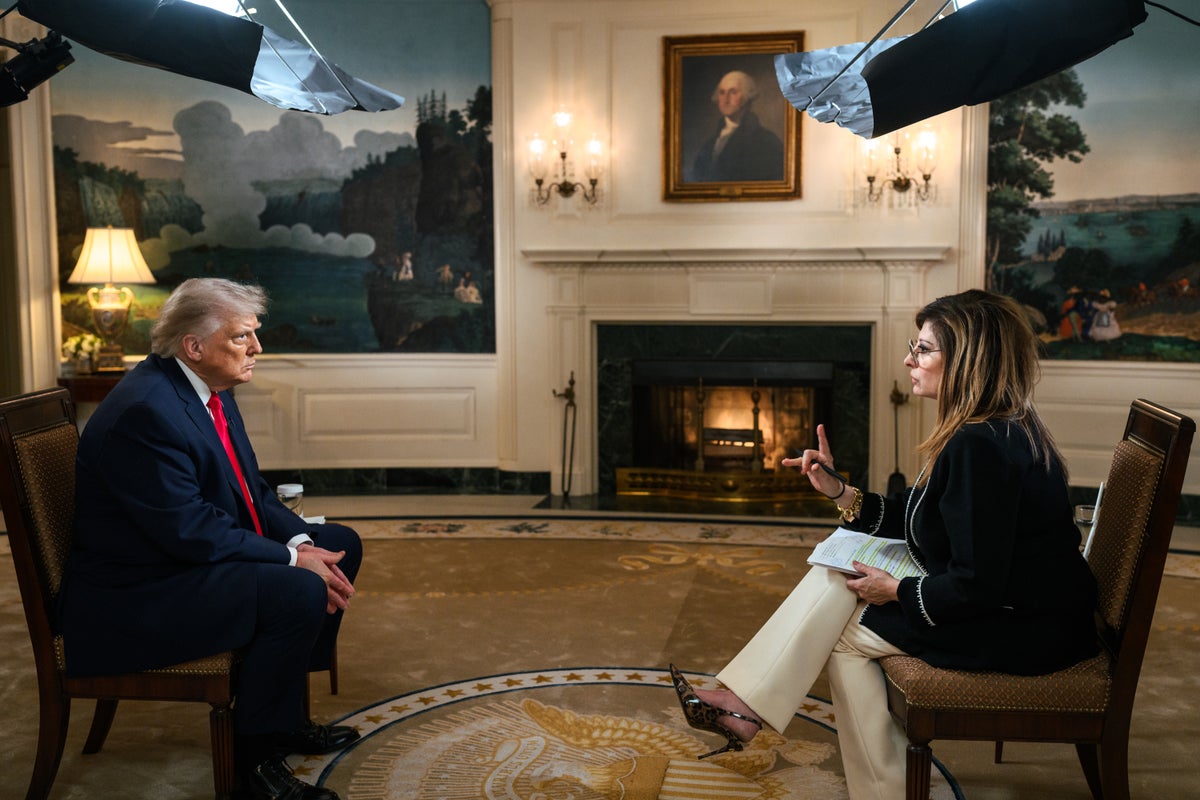
Cover image from independent.co.uk, which was analyzed for this article
President Trump stated the war with Iran is nearly concluded and direct talks could restart within days, possibly in Pakistan, boosting market sentiment. Despite the ongoing blockade, optimism for de-escalation is growing. Outlets highlight both hopeful signals and remaining hurdles.
PoliticalOS
Wednesday, April 15, 2026 — Politics
The Iran conflict now turns on whether renewed talks in Pakistan can bridge a deep nuclear divide before the April 22 ceasefire expires. Trump's blockade has increased pressure on Tehran but also risks escalation, while casualty counts and displacement figures remain fluid and only partially corroborated. The single most important reality is that both sides claim to want a deal yet have so far refused the compromises required to make one stick.
What outlets missed
Most coverage underplayed the full scale of humanitarian costs, with only isolated references to more than 1,200 civilian deaths and 3.2 million displaced inside Iran according to NPR and humanitarian monitors. Few outlets provided the precise nuclear proposals exchanged in Islamabad—a U.S. demand for a 20-year enrichment suspension versus Iran's three-to-five-year counteroffer—despite those details appearing in Reuters and Al Jazeera reporting. The sequence of events was often compressed: Iran's closure of the Strait of Hormuz in early March preceded the U.S. blockade by more than a month, yet many stories presented the American action as the first disruption. Independent verification of blockade effectiveness was thin; maritime data showing vessels still moving was mentioned by CNBC but omitted by pro-administration outlets. Finally, the reported assassination of Supreme Leader Ali Khamenei during the initial strikes, noted in Institute for the Study of War summaries, received almost no attention despite its potential to reshape Iranian succession and negotiating posture.
Global oil markets eased and stocks climbed Wednesday on signals that the seven-week war between the United States and Iran might be winding down. Yet thousands are already dead, millions displaced, and a two-week ceasefire imposed on April 8 faces expiration on April 22 with no final agreement in sight. The central tension is whether American military pressure, including a newly enforced blockade of Iranian ports, can extract nuclear concessions Tehran has repeatedly rejected or whether stalled talks and mutual accusations will restart the fighting.
President Trump told Fox Business host Maria Bartiromo that he views the conflict as "very close to being over." He said U.S. strikes had "obliterated" Iranian capabilities, leaving the regime unable to survive much longer, according to a transcript of the interview that aired April 15. Trump added that Washington could destroy every Iranian bridge and power plant within an hour but preferred not to because reconstruction would take years. He told the New York Post that fresh negotiations could begin within two days in Pakistan, praising army chief Field Marshal Asim Munir for facilitating the process. A senior Pakistani official said talks were expected soon but might slip by a day or two beyond Trump's timeline.
The first round of direct talks in Islamabad on April 11-12 lasted more than 20 hours before collapsing, according to multiple diplomats briefed on the sessions. Vice President JD Vance, who led the American side, said the gap centered on the future of Iran's nuclear program. The U.S. proposed a 20-year suspension of all enrichment activity; Iran countered with a three-to-five-year halt and demanded sanctions relief plus guarantees on the Strait of Hormuz. Trump later told the Post he opposed any deal that would let Iran "feel like they have a win." Iranian officials described American demands as maximalist and said the U.S. had failed to build trust, per accounts shared with Reuters and Al Jazeera.
On April 13 the U.S. Central Command declared a blockade of all Iranian ports fully implemented. Admiral Brad Cooper stated that sea trade, which accounts for an estimated 90 percent of Iran's economy, had been halted within 36 hours. Central Command reported that no vessels breached the line in the first day and that six merchant ships were turned back. However, maritime tracking data cited by CNBC and Reuters showed at least one U.S.-sanctioned Chinese tanker and several other vessels transiting the strait with minimal disruption in the initial hours. Iran labeled the blockade "piracy" and warned that any military approach to the strait would violate the ceasefire.
The war began February 28 with U.S. and Israeli strikes on Iranian nuclear and military sites. Some reports, including those referenced by the Institute for the Study of War, indicate the campaign included the killing of Supreme Leader Ali Khamenei, though this detail has not been corroborated by all major outlets. By mid-April, casualty estimates varied widely. NPR and humanitarian monitors reported more than 1,200 Iranian civilians killed, 3.2 million displaced internally, and at least 25 hospitals damaged. Reuters, citing unspecified tallies, put total deaths near 5,000 across Iran and Lebanon, including combatants. These figures could not be independently verified in real time.
Market reaction was immediate. Benchmark oil fell below $100 a barrel for a second straight day as traders priced in the possibility of resumed flows. The Dow and S&P 500 posted modest gains. Yet the International Monetary Fund warned that prolonging the conflict risked an energy crisis and broader recession. China called the blockade "dangerous and irresponsible." European allies expressed concern over both the humanitarian toll and potential spillover.
Vance struck a measured tone at a Turning Point USA event in Georgia. He acknowledged deep mistrust built over 49 years but said the Iranian side appeared interested in a deal. "You're not going to solve that problem overnight," he said. Back-channel discussions continued after the Islamabad collapse, according to officials from Pakistan, Iran and Gulf states, with one source telling Reuters that progress had narrowed the nuclear gap.
Whether the ceasefire holds now depends on whether the blockade's leverage produces a breakthrough before April 22 or simply hardens positions on both sides. Trump has insisted the war prevented Iran from acquiring a nuclear weapon. Tehran maintains its program is civilian. The coming days will test which assessment prevails.
More in Politics

Federal Agents Search Omar Home in Ongoing Immigration Probe
Homeland Security agents searched the Minnesota Democrat's DC residence in a criminal probe, prompting accusations of political intimidation from Omar and Democratic leaders. Coverage spans left-leaning outlets like NPR, BBC, and The Guardian alongside right-leaning criticism from The Federalist and Daily Wire.

Trump Diesel Import Plan Draws Pushback Over Russia Ties
The weekend agreement drew bipartisan congressional pushback and criticism from Ukraine's Zelenskyy, with analysts downplaying US fuel price impacts. Right-leaning outlets like National Review, Dispatch, and Washington Examiner questioned its legality and effectiveness.

Independents Test Voter Appetite for Middle Ground in 2026 Midterms
Nearly 200 independents are running in competitive races as voters weigh ballot measures on housing costs in states like Massachusetts. Left-leaning coverage from NYT, NPR, and Guardian highlights turnout and key races while right outlets focus on GOP strategy.
Trump Rallies in Alaska, Ohio to Bolster GOP Senate Candidates
The president rallied in Wasilla for Sen. Dan Sullivan and faced empty seats at an Ohio event amid midterm concerns. Outlets across the spectrum covered the trips as signals of GOP vulnerability weeks before Election Day.
The Compass
You just read five takes on one story.
What's your take? Find your political shape in a few minutes.
Take the test