
Trump Says Iran War 'Very Close to Over' as Fragile Ceasefire Nears Expiration
Cover image from independent.co.uk, which was analyzed for this article
President Trump stated the war with Iran is nearly concluded and direct talks could restart within days, possibly in Pakistan, boosting market sentiment. Despite the ongoing blockade, optimism for de-escalation is growing. Outlets highlight both hopeful signals and remaining hurdles.
PoliticalOS
Wednesday, April 15, 2026 — Politics
The Iran conflict now turns on whether renewed talks in Pakistan can bridge a deep nuclear divide before the April 22 ceasefire expires. Trump's blockade has increased pressure on Tehran but also risks escalation, while casualty counts and displacement figures remain fluid and only partially corroborated. The single most important reality is that both sides claim to want a deal yet have so far refused the compromises required to make one stick.
What outlets missed
Most coverage underplayed the full scale of humanitarian costs, with only isolated references to more than 1,200 civilian deaths and 3.2 million displaced inside Iran according to NPR and humanitarian monitors. Few outlets provided the precise nuclear proposals exchanged in Islamabad—a U.S. demand for a 20-year enrichment suspension versus Iran's three-to-five-year counteroffer—despite those details appearing in Reuters and Al Jazeera reporting. The sequence of events was often compressed: Iran's closure of the Strait of Hormuz in early March preceded the U.S. blockade by more than a month, yet many stories presented the American action as the first disruption. Independent verification of blockade effectiveness was thin; maritime data showing vessels still moving was mentioned by CNBC but omitted by pro-administration outlets. Finally, the reported assassination of Supreme Leader Ali Khamenei during the initial strikes, noted in Institute for the Study of War summaries, received almost no attention despite its potential to reshape Iranian succession and negotiating posture.
Trump Signals Rapid End To Iran War As Peace Talks Resume In Pakistan
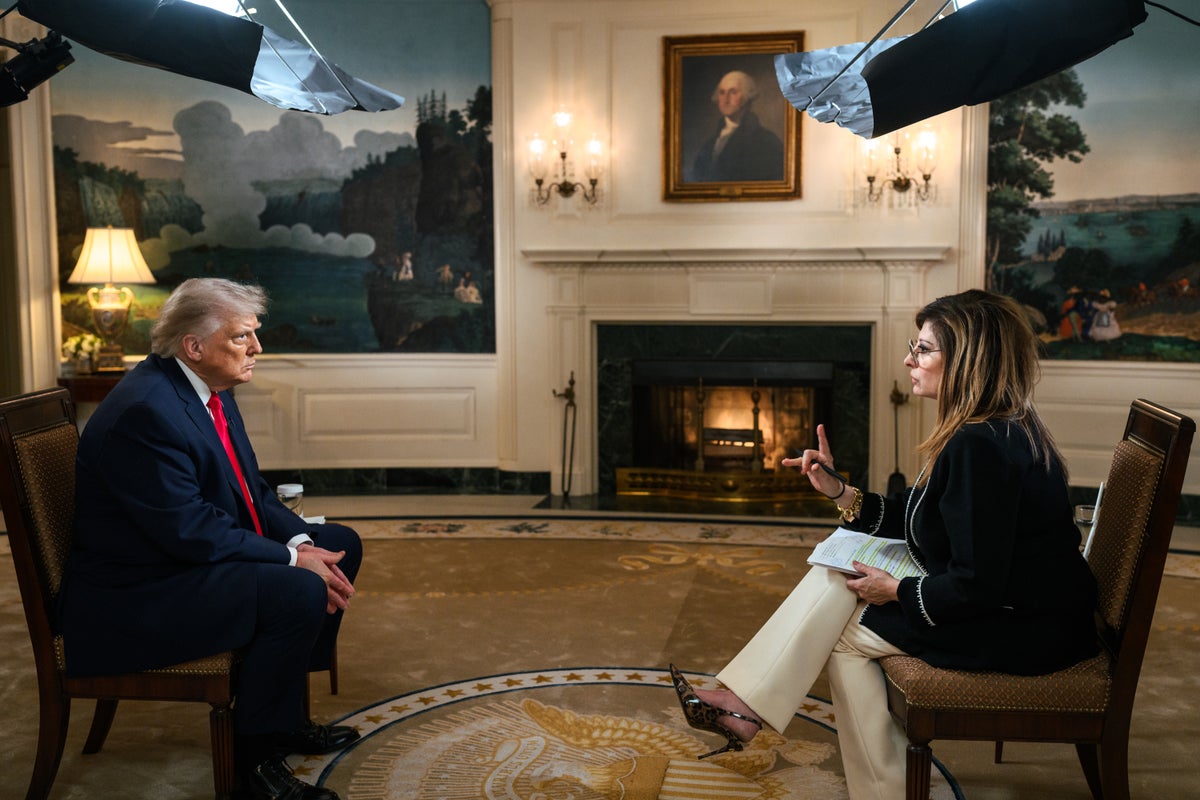
President Donald Trump said Wednesday the seven-week war with Iran is “very close to being over,” with fresh negotiations set to restart in Pakistan within days as the Islamic regime reels from American military pressure and a total blockade of its sea trade. Speaking to Fox Business anchor Maria Bartiromo and the New York Post, Trump described a crippled adversary that “wants to make a deal very badly” after U.S. strikes left its infrastructure vulnerable and its economy gasping.
“I think it’s close to over, yeah. I view it as very close to being over,” Trump said. “If I pulled up stakes right now, it would take them 20 years to rebuild that country. And we’re not finished.” He warned that American forces could eliminate every Iranian bridge and power plant in a single hour but expressed reluctance to do so only because reconstruction would burden future generations. The message was clear: Washington holds all the cards.
The comments come after a weekend of marathon talks in Islamabad led by Vice President JD Vance produced no final breakthrough but left American officials optimistic. Trump told a New York Post reporter to stay in the Pakistani capital because “something could be happening over the next two days,” adding that Pakistan’s Field Marshal Gen. Asim Munir had proven an effective intermediary. “He’s fantastic,” Trump said, noting Munir’s direct channel to Tehran and his past success preventing conflict between Pakistan and India. A second round of direct U.S.-Iran negotiations is now expected before the current two-week ceasefire expires on April 21.
While diplomats race to finalize details, the U.S. military has tightened the noose. Admiral Brad Cooper, head of U.S. Central Command, confirmed that American forces have completely halted maritime traffic in and out of Iran. Vessels, including a Chinese-owned tanker under U.S. sanctions, have been turned away from the Strait of Hormuz. The blockade has slashed Iran’s oil exports and strangled its economy at the very moment Trump says Tehran’s leaders are most desperate. Oil prices fell for a second straight day on the news of potential talks, reflecting market bets that the conflict will not drag on.
Trump has repeatedly framed the war as a necessary corrective to years of weakness from previous administrations. “If I didn’t do that right now, you would have Iran with a nuclear weapon,” he said. “And if they had a nuclear weapon, you would be calling everybody over there ‘Sir.’” The president insisted the campaign has “obliterated” Iran’s military capabilities and removed the most radical elements from power, creating what he called “a different regime now.” Officials say the core strategic objectives are nearly met, though they stopped short of declaring victory before a formal agreement.
The speed of events stands in contrast to the endless Middle East wars that have drained American blood and treasure for decades. Unlike the nation-building quagmires of the past, Trump’s approach has been blunt: hit hard, impose maximum pressure, then force a deal that prevents nuclear proliferation without committing U.S. ground forces to another occupation. Negotiations remain deadlocked on Iran’s refusal to abandon its nuclear program, which it still claims is for civilian purposes only. Yet Trump and Vance appear convinced that the combination of military success and economic isolation will bring Tehran around.
Some media outlets have tried to cast the situation as a crisis for the administration, highlighting polls that claim Trump’s support among non-college white voters has dropped and suggesting the war is fracturing his coalition. These narratives conveniently ignore that the same outlets spent years downplaying Iran’s nuclear advances and criticizing any show of American strength. The public appears more focused on results than on manufactured outrage from cable news panels. Markets, for their part, are already pricing in an end to hostilities, with Trump predicting a booming stock market once the conflict concludes.
Pakistani officials confirmed they are working to host the next round quickly. One Iranian source told Reuters no final date has been set, but multiple Gulf and regional actors expressed confidence that talks will resume this week. The Institute for the Study of War noted that Iran may attempt to drag out negotiations to buy time, yet the regime’s weakened position after weeks of American strikes gives it little leverage.
Trump’s optimism is grounded in hard power. The U.S. has demonstrated it can shut down Iran’s maritime lifeline, degrade its military, and bring its leaders to the table without the open-ended commitments that once defined American policy in the region. As the clock ticks toward the ceasefire deadline, the president’s message remains consistent: peace through strength is not a slogan but a strategy that has left America safer and Iran isolated.
The coming days in Islamabad will test whether Tehran recognizes the reality of its position. If Trump’s assessment is correct, the war that began as a necessary defense against a nuclear-armed radical regime could conclude with a settlement that prevents that nightmare while allowing the United States to step back. For a president who has long criticized wasteful foreign entanglements, delivering a short, decisive conflict followed by a realistic deal would represent the kind of outcome Americans have waited decades to see.
You just read America First's take. Want to read what actually happened?
More in Politics
Trump at 32% Approval as Gas Prices Test GOP Midterm Hopes
NYT/Siena polling showed Trump's approval at historic lows around 32 percent with Democrats leading by double digits in key districts. Early voting has surged in battleground states.

Record Early Voting Hits Battlegrounds, Shifting Partisan Shares
AP analysis found hundreds of thousands more early ballots than in 2022 in states including Texas, Ohio, Kansas, Maine, and North Carolina, shifting partisan dynamics.
Trump Backs Marshall in Kansas Senate Race Tightened by Farm Costs
President Trump rallied in deep-red Kansas for GOP Sen. Roger Marshall in a competitive race, announcing an $8 billion farm fuel relief program amid high diesel prices. Democrats see an opening to end 94 years of GOP dominance in the state.

Trump Pauses Russia Sanctions Amid Ukraine Tensions and Missile Strikes
Trump waived sanctions on Russia and floated trilateral talks with Putin and Xi as part of ending the Ukraine war, while tensions rose with Zelenskyy over Starlink and arms. Bipartisan senators engaged Zelenskyy amid the shifts.
The Compass
You just read five takes on one story.
What's your take? Find your political shape in a few minutes.
Take the test