
Trump Lowers Tariffs on Some Steel, Aluminum, Copper Equipment
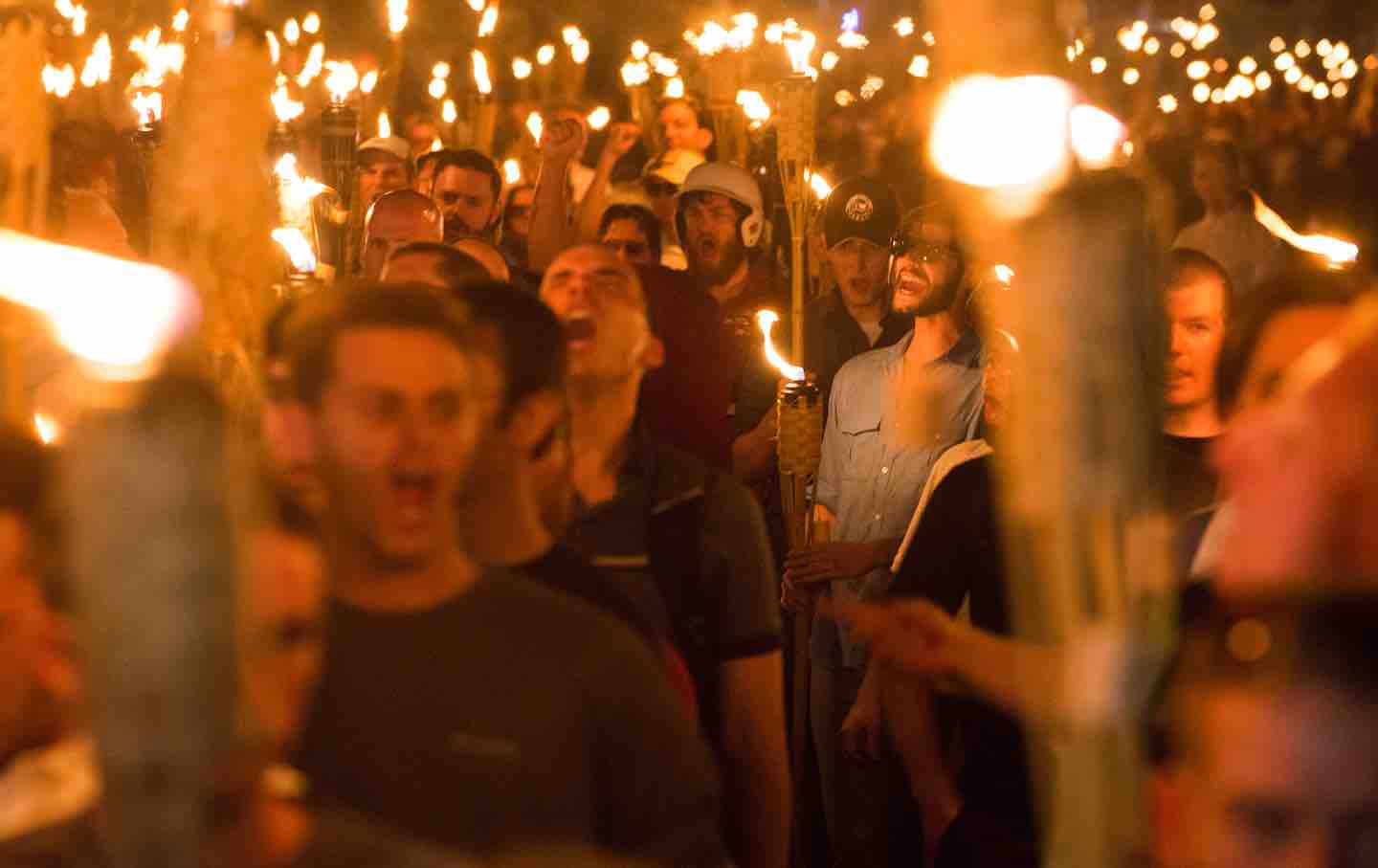
Cover image from thenation.com, which was analyzed for this article
New presidential actions tweak import tariffs on key metals, building on prior increases and adding to trade tensions with China and market volatility. Investors monitor impacts alongside broader economic pressures.
PoliticalOS
Tuesday, June 2, 2026 — Business
The administration has eased tariffs on specific U.S.-content agricultural and capital equipment while advancing a new Section 301 case against Brazil. Readers should treat the reported 2025 Brazilian tariff history as unverified until corroborated by primary records.
What outlets missed
The Nation article contains no mention of the tariff adjustments and instead focuses on 2017 events in Charlottesville. CNBC alone reported the equipment tariff reductions but inserted an unverified claim about prior 50 percent Brazilian duties struck down by the Supreme Court. No other outlet corroborated that earlier action or reversal. The official USTR release and White House statement supply the verified details on the new metal-related changes.
Charlottesville's History Shows How the Left Weaponized a Tragedy
The recent release of Deborah Baker's book on Charlottesville attempts to tie the city's past directly to the 2017 Unite the Right rally, painting it as the inevitable outcome of long-simmering local tensions. Yet the narrative pushed in outlets like The Nation overlooks how national media and political figures turned a single violent incident into a permanent club against anyone questioning rapid demographic change or elite cultural shifts.
Baker traces Charlottesville's story through its Confederate monuments, university life, and earlier racial conflicts, arguing these elements set the stage for the August 2017 events. Organizers of the rally sought to protest the removal of a Robert E. Lee statue, drawing participants from across the country. Counter-protesters from groups aligned with Antifa and other activist networks showed up in force as well. The resulting clashes produced the death of Heather Heyer when James Fields drove his car into a crowd, an act universally condemned as murder.
What stands out in the retelling is the selective focus. President Trump at the time noted that some attendees came simply to defend the statue and that not every person on either side endorsed violence or extremism. The infamous tiki torch march and chants were real, but so were reports of attacks on rally-goers by masked counter-demonstrators in the days surrounding the event. Mainstream coverage largely downplayed the latter while elevating the former into proof of widespread domestic threat.
Joe Biden later made Charlottesville a centerpiece of his 2020 campaign launch, framing it as evidence that the prior administration tolerated hatred. This framing helped justify expanded federal attention to right-leaning speech and groups, even as cities across the country later saw extended periods of unrest with far higher property damage and loss of life. The pattern suggests the episode served more as political fuel than a full accounting of street-level violence from multiple directions.
Local factors in Charlottesville receive less scrutiny in these accounts. The university town had become a hub for progressive policies on policing, housing, and education long before 2017, with corresponding rises in certain quality-of-life complaints from longtime residents. Baker's work notes the checkered history but stops short of examining whether rapid cultural changes in such enclaves contributed to backlash rather than the other way around.
Today the footage from that weekend sits in the background as newer controversies dominate. The episode remains useful for those seeking to equate skepticism about open borders or identity politics with the actions of fringe actors. A clearer reading of the record shows ordinary citizens objecting to the erasure of public symbols and facing organized opposition that included its own extremists. The lasting lesson is how one afternoon of chaos continues to shape national debate while deeper questions about community cohesion receive far less attention.
You just read America First's take. Want to read what actually happened?
More in Business & Economy

Stocks Rise on Earnings as Home Sales Hit Low
Major indices closed mixed to higher, led by healthcare and defensive stocks, as companies like Eli Lilly and UnitedHealth reported strong results. Pending home sales hit record lows.

US Stocks Mixed as Tech Rebounds on AI Optimism
The Dow slipped slightly while the S&P 500 and Nasdaq rose, led by Nvidia, AMD, and Intel gains on renewed AI sector confidence after prior drops. Broader market volatility tied to earnings and data center demand.

Trump Unveils $8 Billion Diesel Relief for Farmers
The Agriculture Department launched the program to offset record diesel prices for farmers, framed as economic aid and a midterm pitch in Kansas amid ongoing inflation and energy cost pressures.
CPI Rises to 3.7 Percent as Energy Costs Climb Amid Iran Conflict
Hotter-than-expected CPI figures fueled rate hike fears and contributed to sharp declines in AI and tech stocks. Left and right economic commentary debates Trump policies versus Fed actions.
The Compass
You just read five takes on one story.
What's your take? Find your political shape in a few minutes.
Take the test