
Trump Rallies in Iowa, Kansas as Tight Senate Races Loom
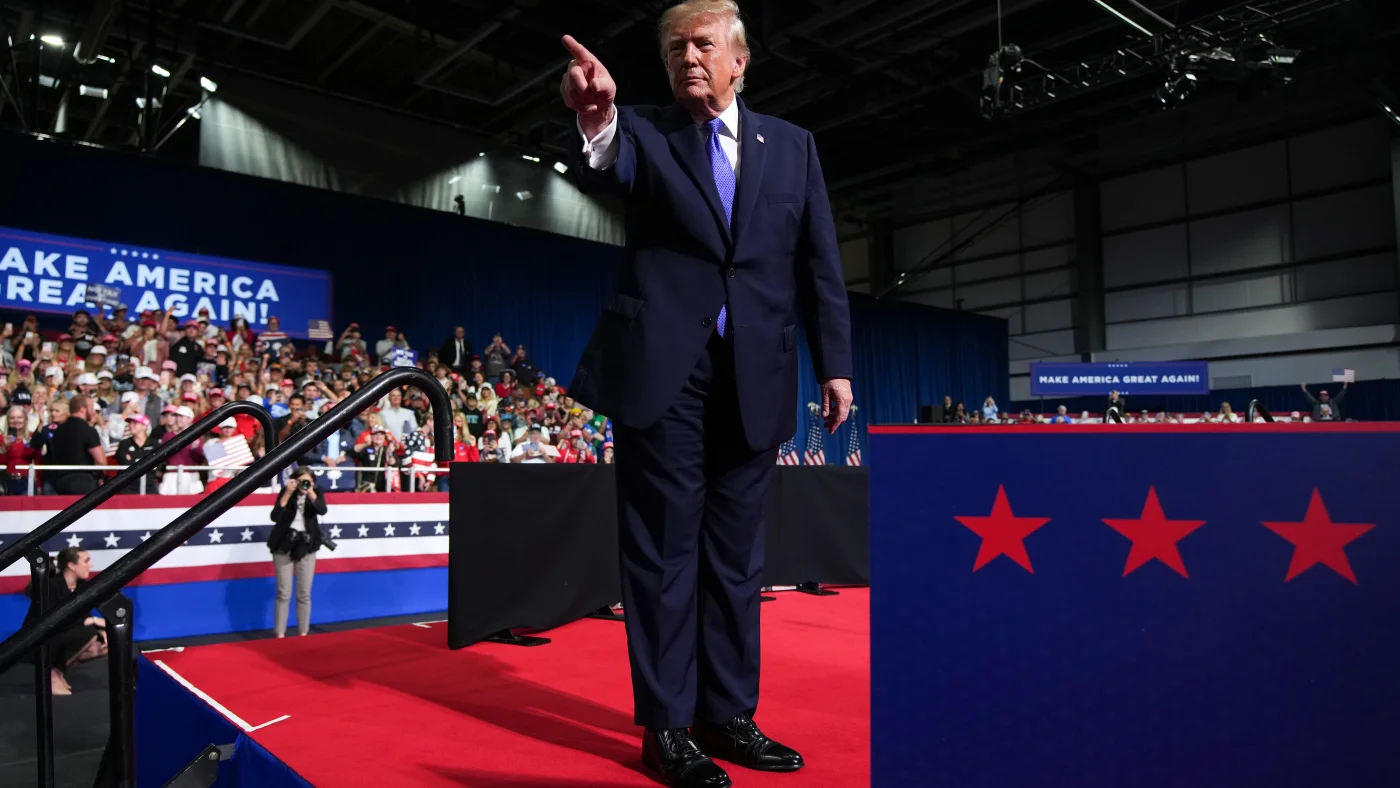
Cover image from npr.org, which was analyzed for this article
President Trump held in-person rallies to boost GOP turnout in key Senate and House races ahead of the November 3 midterms. Polls show some races tighter than expected in the Farm Belt.
PoliticalOS
Sunday, November 1, 2026 — Politics
The Iowa and Kansas Senate races remain among the most competitive on the map, with Trump’s final appearances aimed at narrowing polling deficits driven by voter concerns over prices and foreign policy. National trends favor Democrats, yet state-level margins are narrow enough that small shifts in participation could alter Senate control.
What outlets missed
No outlet supplied verified attendance figures or fundraising totals specific to the Iowa and Kansas events. Early-vote data broken down by party registration in those two states was absent. The precise content of Trump’s planned remarks for Sunday remained undisclosed beyond general scheduling announcements. Historical turnout patterns in Kansas Senate races since 1932 were referenced only in passing without updated demographic shifts among farm households.
Voters in Iowa and Kansas head to the polls Tuesday in Senate contests that could determine control of the chamber, with President Donald Trump scheduled to hold in-person rallies in both states on Sunday. National polling averages show Democrats ahead of Republicans by roughly eight points, yet individual races remain close enough that turnout decisions in the Farm Belt may decide the outcome.
Trump had planned to cancel the Iowa and Kansas stops but reversed course Friday. In Iowa he will appear with Republican Representative Ashley, who faces Democrat Josh Turek. In Kansas he will join Senator Roger Marshall, seeking re-election against Democrat Adam Hamilton. A Washington Post-Schar School poll released October 30 gave Hamilton a nine-point lead; an Emerson College survey from late October showed a three-point edge. Similar tightness appears in Iowa, where fundamentals and recent off-year results had favored Republicans but recent surveys indicate narrower margins.
The cost of living, tariffs, and the U.S. involvement in the conflict with Iran rank among the issues cited by voters in both states. RealClearPolling’s national average as of October 31 placed Democrats at 51.5 percent and Republicans at 43.1 percent. A THP/MM survey conducted October 28-29 showed a 13-point Democratic advantage; an Emerson College poll from October 24-26 recorded a 10-point lead. Analysts note that polling error in past cycles has sometimes understated Republican support, particularly when response rates among GOP voters are low.
At recent events Trump has mixed standard campaign themes with extended personal reflections, telling crowds the large rallies they have attended for years will not recur. He has also referenced a proposed $5,000 payment to adults if Republicans retain congressional majorities, while noting that such an amount would cover limited purchases at his Mar-a-Lago resort. More than 51 million Americans have already cast ballots, though early-vote totals do not yet indicate final partisan margins. Strategists from both parties say the remaining 48 hours will center on identifying and mobilizing infrequent voters in the contested districts.
More in Politics
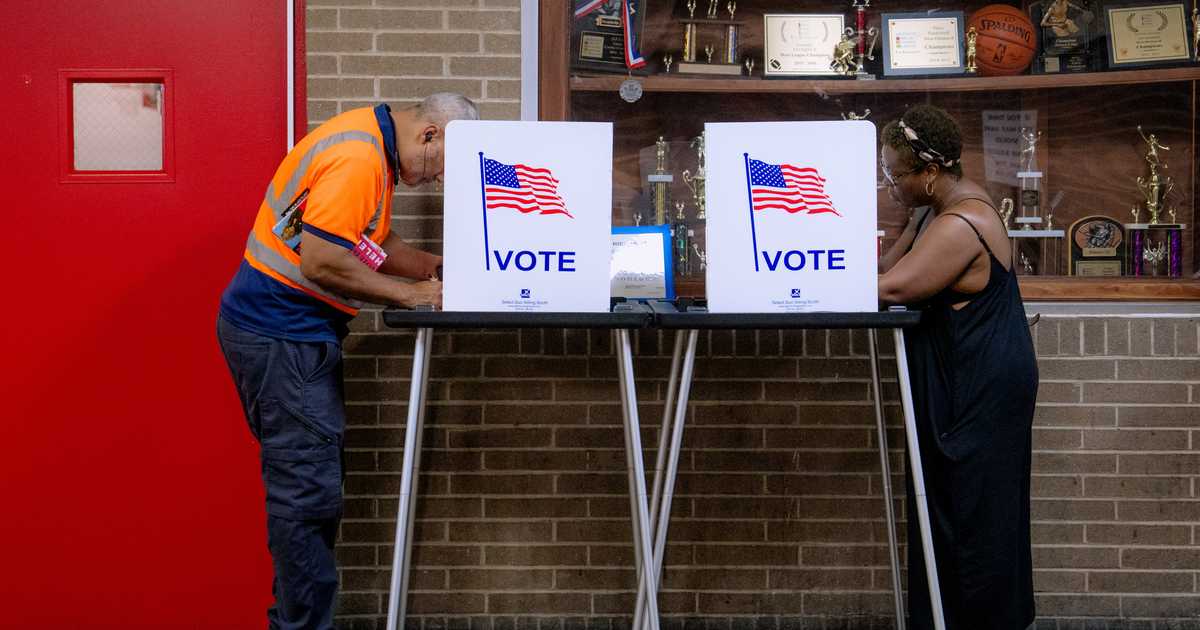
Trump Rallies for Senate Edge as Midterms Near
President Trump held rallies and made schedule changes for key Senate races while engaging in personal attacks on Democratic candidates. Coverage highlights competing appearances with Democrats and questions over campaign strategies days before the midterms.
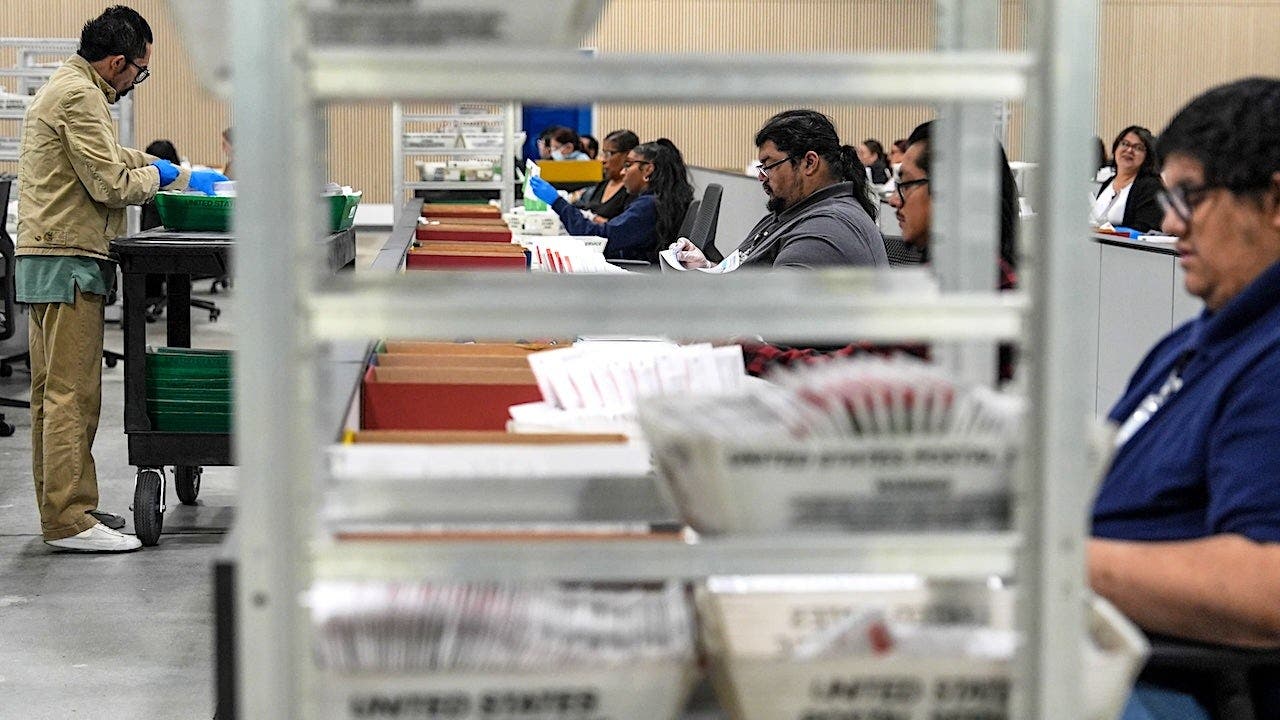
Judge Rejects Bid to Segregate 20,000 California Ballots
Federal judge rejects Trump administration request to set aside suspected noncitizen ballots, citing potential voting disruption. Decision comes amid broader fraud investigations before midterms.
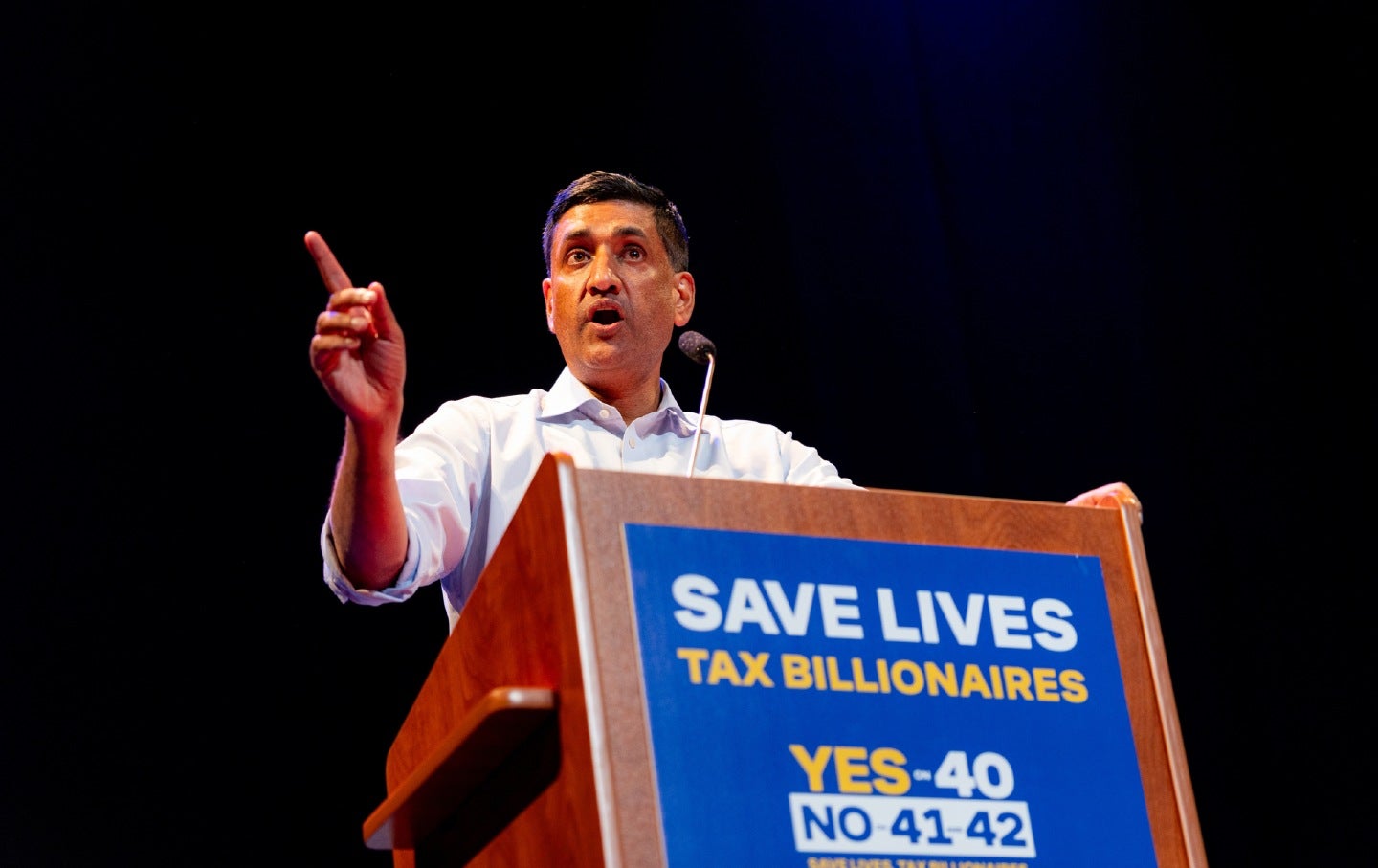
Polls Show Drop in Trump Backing Among White Evangelicals
New surveys show sharp drop in backing from key GOP constituency heading into midterms. Shift highlights potential vulnerabilities for Republicans in final campaign stretch.
Trump Rallies for GOP Senate Hopefuls Amid Tight Polls
President Trump held rallies in Texas and other states to boost GOP candidates ahead of the November midterms, framing the races as a referendum on his agenda including energy and guns. Tight contests in multiple states have both parties focused on turnout.
The Compass
You just read five takes on one story.
What's your take? Find your political shape in a few minutes.
Take the test