
Trump Imposes 15% Tariff on Polysilicon to Bolster US Solar, Chip Supply
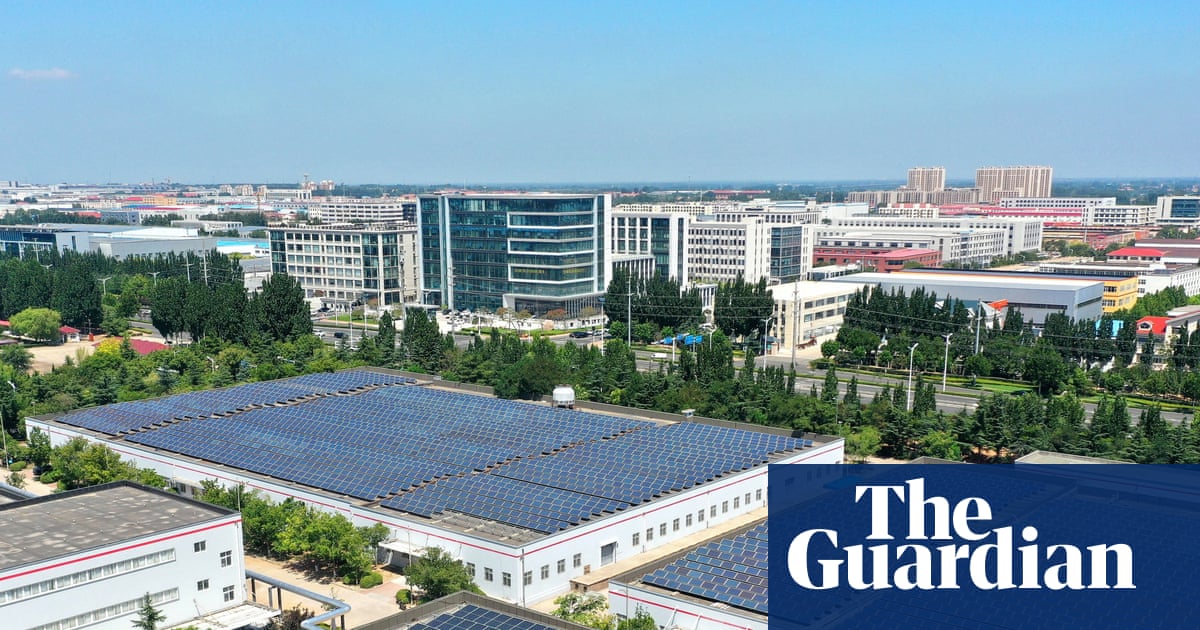
Cover image from theguardian.com, which was analyzed for this article
The administration announced 15% tariffs on polysilicon and derivatives to protect US supply chains and national security. Markets reacted with gains in some solar stocks.
PoliticalOS
Friday, August 7, 2026 — Business
The tariff and price floors create immediate protection for the two existing U.S. polysilicon plants while introducing higher costs and a three-month window for potential import surges. The policy’s success will depend on whether new domestic capacity materializes before downstream industries absorb the added expense.
What outlets missed
Most reports omitted discussion of the Commerce Department’s planned incentive program for new domestic factories, which could shape long-term investment decisions beyond the immediate tariff. Few outlets examined how the minimum-price floors interact with existing antidumping duties already in place on Chinese solar products. Coverage also underplayed the risk that delayed implementation might encourage front-loading of imports, a concern raised by trade attorneys but absent from market-reaction stories. The limited number of U.S. polysilicon plants and their ownership structures received uneven attention across outlets.
Trump Orders 15 Percent Tariff on Polysilicon Products
President Donald Trump signed an executive order Thursday imposing a 15 percent tariff on imported products made from polysilicon along with minimum price requirements for certain related goods. The measures take effect December 4 and fall under Section 232 of the Trade Expansion Act of 1962. Officials said the steps aim to strengthen domestic production of the material used in semiconductors and solar panels primarily supplied by China.
Polysilicon serves as a foundational input for silicon wafers that become chips for artificial intelligence systems and cells for solar panels. The United States maintains just two domestic facilities one operated by Hemlock Semiconductor in Michigan and another by Wacker Chemie in Tennessee. Trump stated that decades of foreign practices have eroded American capacity in this sector and that the new policy seeks to restore commercial viability for national security and economic reasons.
Solar company shares rose in premarket trading after the announcement. First Solar advanced more than 7 percent Solaredge Technologies gained 1 percent and the Invesco Solar ETF climbed 4 percent. Domestic manufacturers including a joint venture involving Corning welcomed the action as support for continued investment in American output.
Chinese officials responded by accusing the United States of stretching national security arguments and interfering with normal commerce. They argued that such steps raise costs for businesses and consumers without improving long term competitiveness. American solar producers have long claimed that Chinese competitors benefit from government subsidies and shift production to third countries to avoid earlier duties.
The policy extends a pattern of trade actions intended to insulate supply chains for advanced computing and energy. Historical evidence on similar protections shows they often raise input prices for downstream industries while shielding less efficient producers from market pressures. Polysilicon prices already reflect global oversupply driven by state supported capacity abroad and the new tariff adds a direct cost layer that will likely pass through to chip makers and solar project developers.
Domestic output remains limited relative to demand and expansion depends on sustained higher prices rather than improvements in production efficiency. Consumers ultimately bear higher expenses for electronics and electricity generated from solar installations. Previous rounds of tariffs on related goods produced mixed results with some manufacturing shifts occurring but overall reliance on imported materials persisting.
The executive order cites advice from Commerce Secretary Howard Lutnick and emphasizes the need to meet requirements for economic and security infrastructure. Market reactions reflected expectations of near term gains for listed American solar firms though broader effects on innovation and cost structures will unfold over time.
You just read Conservative's take. Want to read what actually happened?
More in Business & Economy

Business Activity Holds Up as Selling Prices Rise Fastest Since 2022
S&P Global PMI shows robust activity but selling prices rise at fastest pace since 2022 amid energy and supply chain costs. Halloween candy prices jump 7.7%.

Stock Futures Climb on Anthropic IPO Filing and AI Financing
Major indices rose on enthusiasm from Anthropic's IPO filing and broader AI infrastructure announcements including Meta's massive fundraising plans. Investors are betting heavily on continued AI growth despite valuation concerns.

Tariffs and AI Transition Fuel Growth and Job Worries
Trump's tariff rhetoric and AI-driven restructuring raised concerns about growth, inflation, and job impacts as markets reacted to geopolitical and tech shifts.

AI Companies Weigh Early IPOs as Risks Mount
Nasdaq fell sharply amid concerns over AI spending sustainability and data center costs; Nvidia, Meta, and others were hit as Meta and Tesla reported earnings.
The Compass
You just read five takes on one story.
What's your take? Find your political shape in a few minutes.
Take the test