
Trump-Pope Feud Forces US Catholics to Choose Between Politics and Papal Authority

Cover image from chicago.suntimes.com, which was analyzed for this article
US Catholics are torn over President Trump's escalating criticism of Pope Leo XIV, who has taken a forceful stance against the Iran war and administration policies. The first American pope's Africa tour and calls for Christian values clash with Trump's rhetoric, prompting some Trump voters to reject papal influence. The dispute amplifies cultural and political rifts.
PoliticalOS
Saturday, April 18, 2026 — Politics
The Trump-Pope Leo XIV dispute has crystallized a long-simmering tension for American Catholics: how to reconcile political support for tough border, energy and security policies with deference to a pope who views many of those same policies through a seamless moral lens opposing war and exploitation. Polling already shows erosion in Trump's Catholic support, yet the depth of any lasting realignment remains unclear. Readers should recognize this as more than personality conflict; it is a contest over whether religious authority or national interest holds final sway in voters' consciences.
What outlets missed
Most outlets underplayed the specific Iranian actions that preceded U.S. strikes, including threats to close the Strait of Hormuz after a tanker incident and Tehran's nuclear enrichment advances cited by the administration as justification. The consistent ethic of life developed by Cardinal Bernardin, and Pope Leo's direct ties to the Chicago seminary where it was taught, received only glancing treatment outside the Sun-Times letters page despite offering a theological spine for the pope's positions. Coverage also gave short shrift to the fact that Trump's 55 percent Catholic support in 2024 represented a continuation of a decade-long rightward shift among white Catholic voters, a trend that long predates the current pope and survived earlier tensions with Pope Francis. Finally, few stories noted that Leo's anti-war statements align with a consistent papal line on nuclear disarmament dating back months before the current conflict, making Trump's claim that the pope backed Iranian nukes easier to evaluate against the record.
American Catholics who backed Donald Trump now face a conflict many describe as unprecedented: their president is locked in public dispute with the first American pope, over a war in Iran that has already claimed thousands of lives and sent oil prices surging. The exchange has exposed raw divisions in a voting bloc that helped deliver Trump's 2024 victory, with polls showing his support among Catholics slipping from 55 percent in that election to 48 percent by late March. At the center sits Pope Leo XIV, born Robert Prevost in Chicago, who on Palm Sunday declared that God "does not listen to the prayers of those who wage war" and has repeatedly condemned the use of religion to justify violence. Trump responded by calling the pontiff "weak on crime" and "terrible for foreign policy," while posting and later deleting an AI-generated image depicting himself in a Christ-like pose healing the sick. The image drew backlash across religious lines; Trump later described it as misunderstood humor.
The dispute did not begin in a vacuum. For months Pope Leo had criticized U.S. immigration policies and the treatment of refugees, positions echoing statements from U.S. bishops in February. His Africa tour, spanning 18,000 kilometers across Algeria, Cameroon, Angola and Equatorial Guinea, amplified the message. In Cameroon he told crowds of 120,000 that the world was being "ravaged by a handful of tyrants" and warned against those who "manipulate religion" for military or economic gain. In Angola, where more than half the population is Catholic yet over 30 percent live on less than $2.15 a day despite vast oil exports, he focused on exploitation of natural resources and corruption. These remarks came against the backdrop of U.S. military actions in Iran, which the administration has framed as necessary to block nuclear weapons development and counter threats to close the Strait of Hormuz. A PBS fact-check found Trump's assertion that the pope supported Iranian nuclear ambitions could not be independently verified and appeared to contradict Leo's earlier calls for global nuclear disarmament.
The central tension is whether American Catholics, especially the white conservatives who have shifted toward Republicans over the past decade, can maintain fidelity to the vicar of Christ while supporting a president whose policies clash with papal teaching on war, refugees and the "consistent ethic of life." That framework, developed by Chicago Cardinal Joseph Bernardin in the 1980s, insists moral consistency must span poverty, violence, migration and capital punishment. Leo studied at Catholic Theological Union in Chicago, the same institution that shaped Bernardin's thought. One graduate student writing in the Chicago Sun-Times framed the current clash as a collision between two visions of what power owes to human life.
Reactions reflect the split. Progressive Catholics in suburban Atlanta prayer groups have asked God to soften what they call the president's "hard heart." Conservative commentator Taylor Marshall, who voted for Trump three times, called the situation "kind of a tough situation" for those trying to reconcile political loyalty with submission to the Holy Father. Michael Knowles dismissed criticism of the pope as an "op" designed to divide Catholics from the president. Vice President JD Vance, a Catholic convert, told the pope to "be careful" when discussing theology, while House Speaker Mike Johnson suggested Leo did not fully grasp just-war theory. Defense Secretary Pete Hegseth quoted a line from the film Pulp Fiction in a Pentagon address that some theologians said failed traditional Christian tests for morally justified conflict. A March poll by Shaw & Company and Beacon Research found 40 percent of Catholics strongly disapprove of Trump, 23 percent strongly approve, with sharp differences between white Catholics trending Republican and Hispanic Catholics who still favor Democrats by roughly 60 percent.
The feud has not remained abstract. Trump supporters argue the pope has been softer on Islamist terrorism and Iranian repression than on American policy. Pro-administration voices note the pontiff leads 1.4 billion Catholics worldwide yet chose to insert moral authority into a sovereign nation's foreign policy. Leo, for his part, showed no sign of retreat, telling reporters he does not fear Trump and will continue speaking on peace. The episode arrives as the Catholic share of the U.S. electorate hovers near 20 percent, a swing constituency that has sided with the presidential winner in six of the last seven elections. Whether the rift deepens or fades may depend on how Catholic voters weigh spiritual authority against the tangible policy fights over borders, energy prices and Middle East security. For now the question lingers unresolved: when an American pope and an American president collide, which loyalty bends?
More in Politics

Trump Defends Ramaswamy Ad Using Estranged Mother in Ohio Race
President Trump defended a GOP nominee's ad featuring a Democratic opponent's estranged mother, calling it powerful, while drawing criticism from some Republicans including Ohio Gov. Mike DeWine. The ad has sparked internal GOP tensions ahead of midterms.
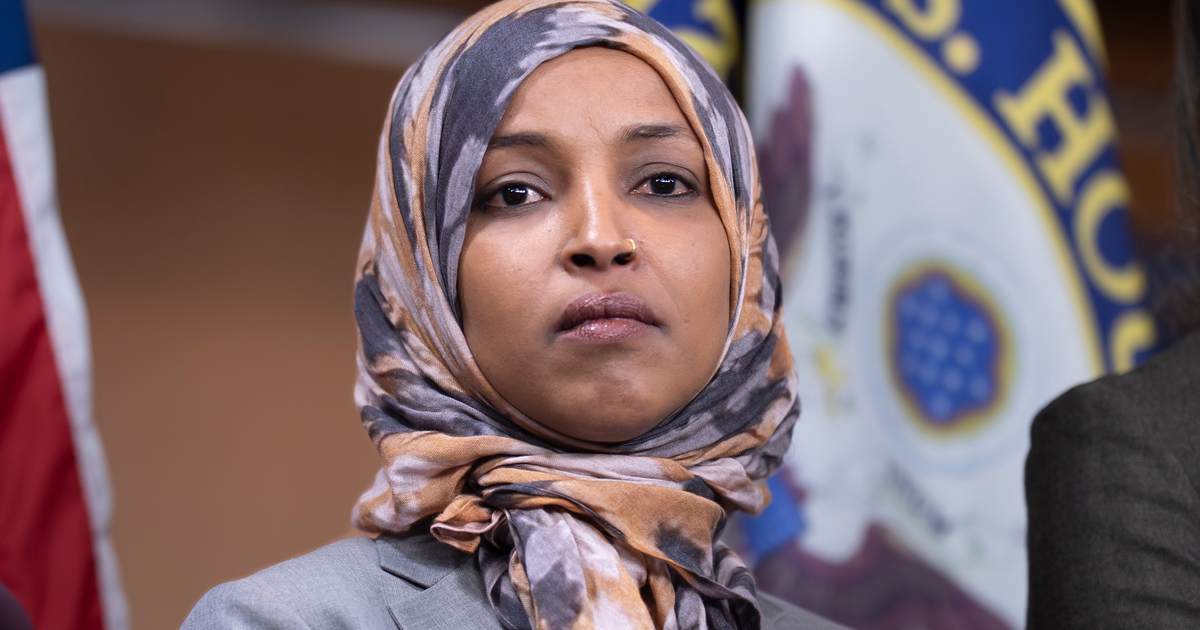
Federal Raid Targets Omar Amid Unresolved Name and Marriage Allegations
Agents searched Rep. Ilhan Omar's DC residence over immigration fraud allegations; she called it bizarre. Reports and commentary questioned her birth name and past marriage details.

Supreme Court Upholds New Hampshire Student ID Voting Ban
The Supreme Court upheld New Hampshire's ban on student IDs as valid voter identification just before midterms, affecting a tight Senate race.
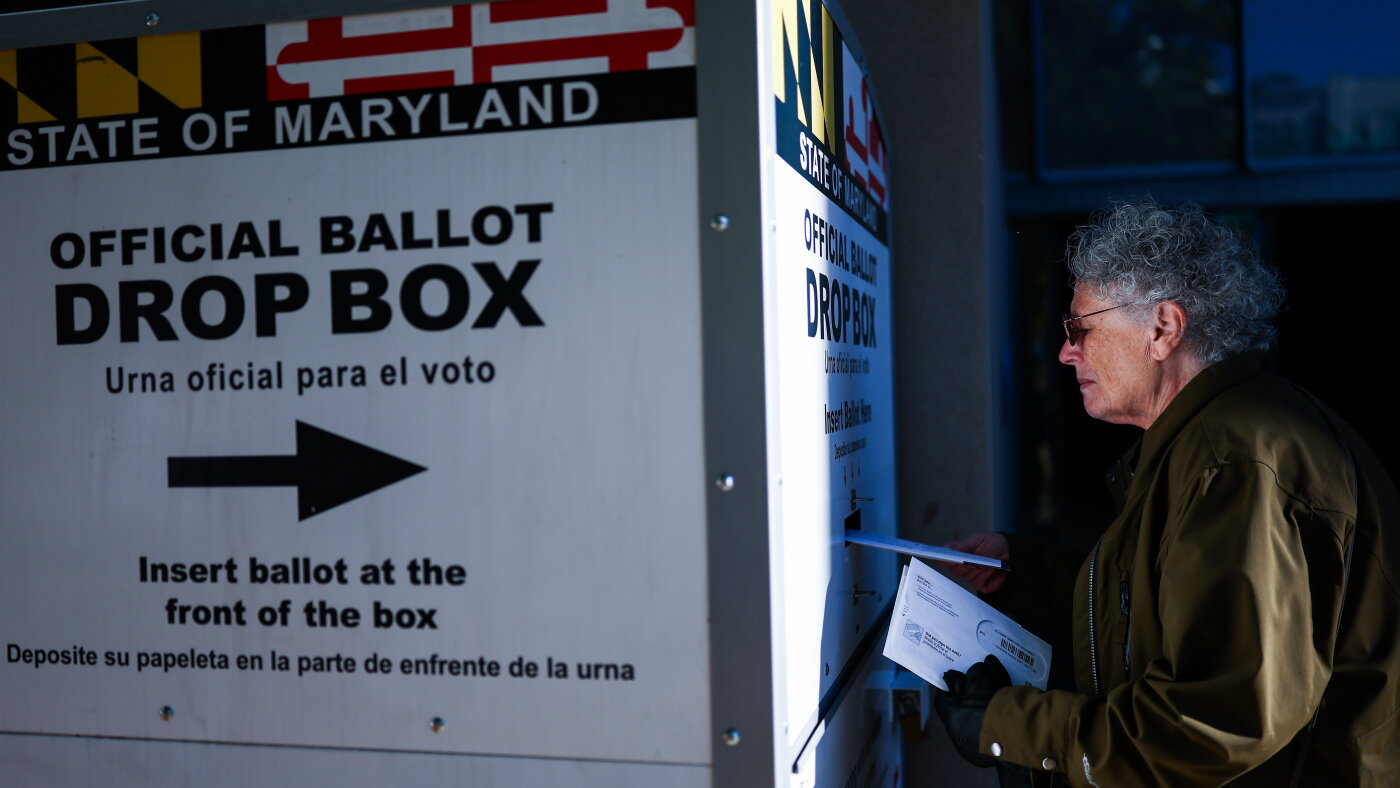
Early Voting Hits 21 Million as Most Trust Midterm Accuracy
Millions have already voted early as parties make final appeals amid $1.4 billion in ad spending; polls show confidence in election accuracy.
The Compass
You just read five takes on one story.
What's your take? Find your political shape in a few minutes.
Take the test