
Trump-Pope Leo Rift Over Iran War Tests Catholic Support

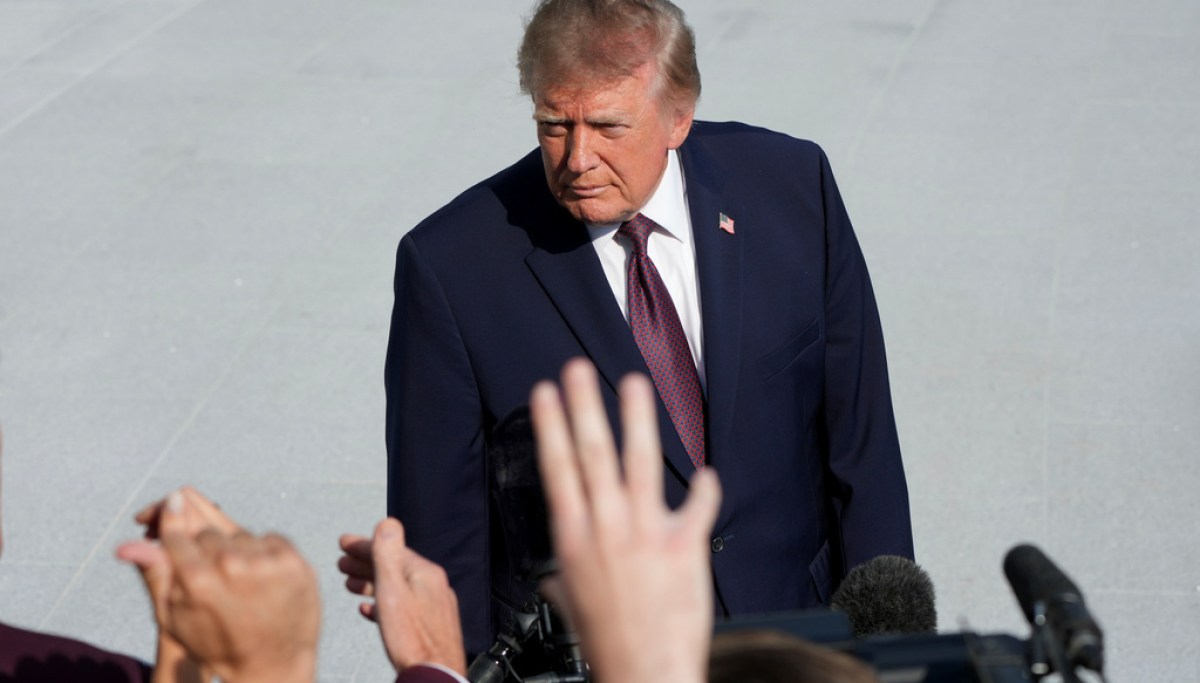
Cover image from independent.co.uk, which was analyzed for this article
Trump criticized Pope Leo as weak on crime and opposed to the Iran war, drawing defenses from US Catholics and figures like JD Vance. The public spat risks alienating religious voters amid broader theological and policy divides. Coverage notes potential political costs for Republicans.
PoliticalOS
Wednesday, April 15, 2026 — Politics
The core reality is a verifiable policy and personal disagreement between the Trump administration and Pope Leo XIV over the Iran war that has produced real discomfort among segments of U.S. Catholics, including some former Trump allies. This matters because Catholics were a growth demographic for Trump in 2024, and the rift—centered on just war principles versus national security—arrives as the conflict continues without clear resolution. Readers should weigh verified public statements against unverified dramatic quotes, recognizing that political loyalty and faith priorities are now in open tension ahead of future elections.
What outlets missed
Most coverage omitted the specific precursors to the Iran conflict, including Iran's nuclear breakthroughs, the 2025-2026 protest crackdowns that killed thousands, and Khamenei's assassination, which framed the U.S. strikes as a response rather than unprovoked aggression. Outlets downplayed or ignored Trump's consistent explanation that the AI image depicted him as a doctor tied to humanitarian aid, not a Christ figure, and rarely noted the image's full patriotic elements like fighter jets and the Statue of Liberty. The absence of any senior U.S. Catholic clergy publicly supporting the war received uneven treatment, as did Vance's full context that the vice president's role requires implementing the president's views over personal ones. Finally, concrete diplomatic efforts, including ongoing Vatican-White House back channels referenced by one official, were minimized in favor of outrage or dismissal.
A public feud between President Donald Trump and the first American pope has exposed fresh divisions among U.S. Catholics at a moment when the administration's military campaign in Iran faces growing moral scrutiny. The dispute, which escalated this week, carries immediate stakes for Trump's coalition: Catholics gave him increased support in 2024, with Pew Research showing 62 percent of white Catholics backing him, yet the clash risks eroding that edge before the 2026 midterms. What began with Vatican criticism of the conflict has become a direct exchange of rebukes, complete with a deleted social media image and defenses from Vice President JD Vance.
The sequence traces to early 2026. Iran’s nuclear advances, crackdowns on protests that killed thousands, and regional aggression set the stage for U.S. and Israeli strikes in late February. Six weeks into the campaign, Pope Leo XIV, elected in May 2025, issued public statements opposing the war on moral grounds, invoking just war theory and describing certain threats as unacceptable. Trump responded on Truth Social, calling the pope weak on crime and terrible on foreign policy. He added an AI-generated image depicting a robed figure with a glowing hand healing a patient, surrounded by American flags, eagles, and military planes. Trump later told reporters it showed him as a doctor aiding people, not Jesus, and deleted the post. The White House has not detailed casualty figures from the Iran campaign or the naval blockade announced April 15.
At the center of the story sits an unresolved tension: where the moral voice of the 2,000-year-old Church ends and the demands of American statecraft begin. Vance, a Catholic convert, told Fox News the Vatican should focus on matters of morality while the president handles policy. Bishop Joseph Strickland, once a vocal Trump supporter who participated in 2024 events at Mar-a-Lago, told one outlet he does not view the conflict as a just war and stands with the pope’s call for peace. Other Catholic voices split along familiar lines. Conservative commentator Peter Wolfgang, who once defended Trump’s immigration policies, warned that continued attacks on the pope could cost support among Catholic voters. Liberal voices, including deacon Steven Greydanus, saw the moment as clarifying a choice between healing presence and confrontation.
No senior U.S. Catholic clergy has publicly endorsed the war, according to multiple reports, though not every bishop has spoken. The Vatican has described the pope’s statements as marking a moral limit rather than a personal battle with Trump. Behind-the-scenes dialogue continues, one Vatican official said. Trump has not apologized. He has instead repeated that the pope said things that are wrong and that he prefers the pontiff’s brother.
The episode echoes earlier church-state friction. In 1960, Protestant leaders warned that Catholic John F. Kennedy would answer to the pope; Kennedy responded with a Houston speech affirming strict separation. Modern presidents have clashed with popes—Republicans over war, Democrats over abortion—but usually in diplomatic language. Trump’s approach is more direct. His “America Prays” initiative, launched last year, promotes Christian scripture and national prayer sessions. Critics see blasphemy in the AI image; supporters call it misunderstood patriotism.
Reactions remain compressed but revealing. A handful of conservative Catholic figures, including podcaster Isabel Brown and commentator Michael Knowles, urged deletion of the image on spiritual and political grounds. Left-leaning Catholics and some bishops condemned it outright. The broader public split tracks partisan lines more than faith alone, Pew data suggests, though Pope Leo himself polls well across both Democratic and Republican Catholics. Unverified specifics, including exact phrasing of certain Trump posts or a Pentagon prayer invoking “overwhelming violence,” appeared in some coverage but could not be independently corroborated by other outlets.
The central question lingers. Can a president criticize a pope without alienating the faithful who helped elect him? Or has the Vatican’s moral stance on this war created a rift too wide for political repair? With the Iran conflict unresolved and midterms approaching, the answer will unfold in pulpits, polling booths, and further Truth Social posts.
More in Politics

Federal Agents Search Omar Home in Ongoing Immigration Probe
Homeland Security agents searched the Minnesota Democrat's DC residence in a criminal probe, prompting accusations of political intimidation from Omar and Democratic leaders. Coverage spans left-leaning outlets like NPR, BBC, and The Guardian alongside right-leaning criticism from The Federalist and Daily Wire.

Trump Diesel Import Plan Draws Pushback Over Russia Ties
The weekend agreement drew bipartisan congressional pushback and criticism from Ukraine's Zelenskyy, with analysts downplaying US fuel price impacts. Right-leaning outlets like National Review, Dispatch, and Washington Examiner questioned its legality and effectiveness.

Independents Test Voter Appetite for Middle Ground in 2026 Midterms
Nearly 200 independents are running in competitive races as voters weigh ballot measures on housing costs in states like Massachusetts. Left-leaning coverage from NYT, NPR, and Guardian highlights turnout and key races while right outlets focus on GOP strategy.
Trump Rallies in Alaska, Ohio to Bolster GOP Senate Candidates
The president rallied in Wasilla for Sen. Dan Sullivan and faced empty seats at an Ohio event amid midterm concerns. Outlets across the spectrum covered the trips as signals of GOP vulnerability weeks before Election Day.
The Compass
You just read five takes on one story.
What's your take? Find your political shape in a few minutes.
Take the test