
Trump-Pope Leo Rift Over Iran War Tests Catholic Support

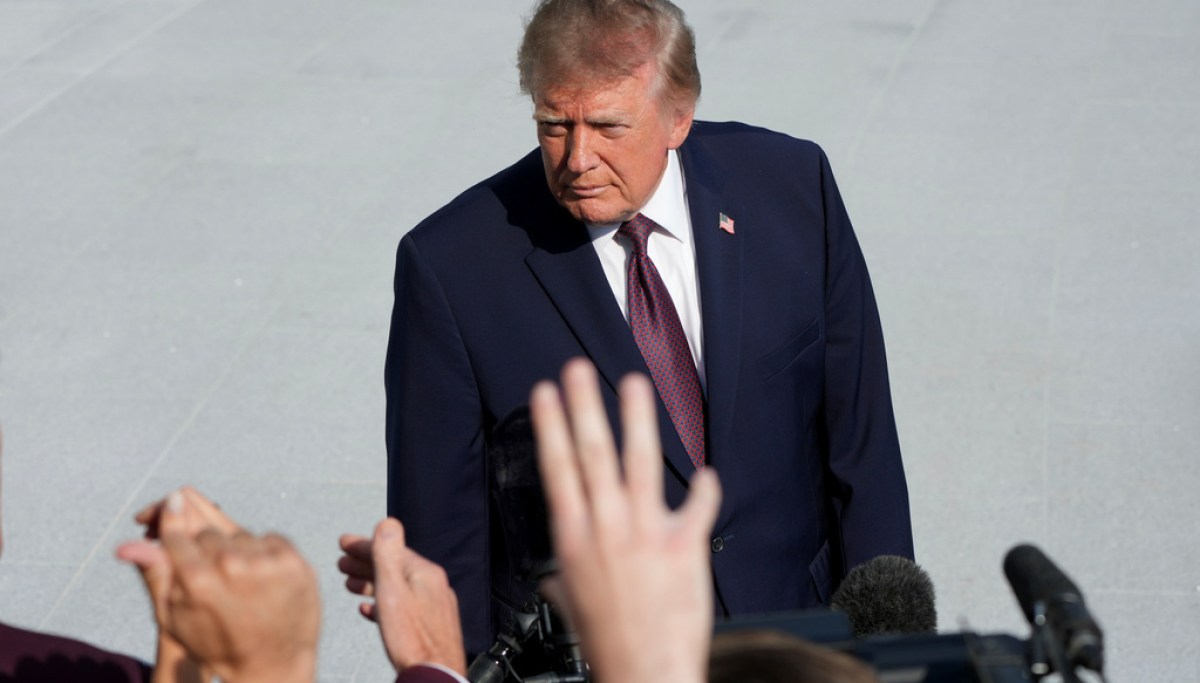
Cover image from independent.co.uk, which was analyzed for this article
Trump criticized Pope Leo as weak on crime and opposed to the Iran war, drawing defenses from US Catholics and figures like JD Vance. The public spat risks alienating religious voters amid broader theological and policy divides. Coverage notes potential political costs for Republicans.
PoliticalOS
Wednesday, April 15, 2026 — Politics
The core reality is a verifiable policy and personal disagreement between the Trump administration and Pope Leo XIV over the Iran war that has produced real discomfort among segments of U.S. Catholics, including some former Trump allies. This matters because Catholics were a growth demographic for Trump in 2024, and the rift—centered on just war principles versus national security—arrives as the conflict continues without clear resolution. Readers should weigh verified public statements against unverified dramatic quotes, recognizing that political loyalty and faith priorities are now in open tension ahead of future elections.
What outlets missed
Most coverage omitted the specific precursors to the Iran conflict, including Iran's nuclear breakthroughs, the 2025-2026 protest crackdowns that killed thousands, and Khamenei's assassination, which framed the U.S. strikes as a response rather than unprovoked aggression. Outlets downplayed or ignored Trump's consistent explanation that the AI image depicted him as a doctor tied to humanitarian aid, not a Christ figure, and rarely noted the image's full patriotic elements like fighter jets and the Statue of Liberty. The absence of any senior U.S. Catholic clergy publicly supporting the war received uneven treatment, as did Vance's full context that the vice president's role requires implementing the president's views over personal ones. Finally, concrete diplomatic efforts, including ongoing Vatican-White House back channels referenced by one official, were minimized in favor of outrage or dismissal.
Trump Feud with Pope Exposes Liberal Drift in Catholic Leadership
President Donald Trump’s unfiltered social media activity has once again drawn howls of outrage from the usual corners of the press and institutional church figures, but the episode reveals deeper fractures over American sovereignty, border security, and a pontiff increasingly at odds with the priorities of working-class Catholics who helped return Trump to the White House. The latest controversy erupted when Trump, responding to criticism from Pope Leo XIV over the ongoing conflict with Iran, used his Truth Social platform to call the first American-born pope “WEAK” on crime and overly sympathetic to radical left causes. Shortly afterward the president shared, then deleted, an AI-generated image depicting himself in white robes with a glowing hand healing a patient, an image critics rushed to label blasphemous.
Vice President JD Vance, a convert to Catholicism, pushed back on Fox News, describing the post as a joke that some people simply failed to understand. “The president of the United States likes to mix it up on social media,” Vance said. He added that it was “good” Trump remains unfiltered and suggested the Vatican would do better to focus on matters of morality and internal church affairs rather than second-guessing American immigration enforcement or foreign policy decisions aimed at protecting U.S. interests. Vance emphasized that Trump has a duty to place the security of American citizens first, particularly when it comes to controlling the border and confronting threats like the Iranian regime.
The exchange comes six weeks into a military confrontation with Iran that has exposed sharp differences between the Trump administration’s realist approach to national security and the pope’s public reservations. Church leaders have long criticized Trump’s immigration policies, but the current backlash carries new weight because it includes voices once counted among the president’s strongest religious supporters. Bishop Joseph Strickland, who in recent years blessed events at Mar-a-Lago, spoke at CPAC alongside Trump, and addressed rallies challenging the 2020 election, has now taken a markedly different tone. “I pray that all of this will clarify for people that we don’t look to a national leader, we don’t look to those who have the most money or the most weapons,” Strickland said. “We look to Christ.”
Such statements mark a shift among some conservative Catholics who cheered Trump’s previous efforts to appoint judges who respected life and defended religious liberty. Yet the speed with which institutional voices and major news outlets condemned Trump’s posts suggests the real offense was not the crude AI image, which the president removed after realizing many missed the humor, but the direct challenge to papal commentary on matters of war, crime, and borders. For years Trump has used social media to bypass gatekeepers and speak past a hostile press corps. Sources familiar with both his first and second terms describe the late-night posting sessions as both a source of frustration for aides and a deliberate tactic to force cable networks to cover stories they would rather ignore. The pattern has not changed even as some Republican lawmakers have grown practiced at deflecting questions about the latest presidential broadside.
The irony is impossible to miss when placed against the historical record. Sixty-six years ago, during John F. Kennedy’s presidential campaign, prominent Protestant leaders warned that a Catholic in the White House would answer to the Vatican rather than the Constitution. Groups like Citizens for Religious Freedom distributed pamphlets claiming the pope would exert “extreme pressure” on a Catholic president. Kennedy spent considerable energy reassuring voters that his faith would not compromise his loyalty to America. Today the script has flipped. An American president is openly criticizing a pope many view as having drifted leftward on issues ranging from mass migration to the definition of crime in Western cities. The same press that once warned of papal interference now treats any pushback against the Holy See as an attack on faith itself.
Lost in much of the coverage is the substantive disagreement at the heart of the dispute. Trump’s hardline immigration stance has always enjoyed broad support among rank-and-file Catholics who live in communities transformed by unchecked illegal crossings, fentanyl trafficking, and rising urban disorder. Polling throughout the 2024 campaign showed Catholic voters, including many in traditionally Democratic areas, moved toward the Republican ticket precisely because they believed Trump would secure the border and restore order. The pope’s reported criticism of these policies, and of the Iran operation, lands differently with those families than it does with Beltway commentators or Vatican diplomats.
Critics on the left have predictably labeled the president’s rhetoric blasphemous and unhinged, recycling the same “rock bottom” narrative that has accompanied every Trump social media controversy since 2015. Outlets seized on the deleted Jesus image as proof of megalomania while glossing over the context of a pope who has positioned himself as a critic of American power. Conservative Catholic thinkers who once defended Trump against similar attacks now find themselves caught between institutional loyalty and the reality that many of their parishioners continue to view the president as a bulwark against cultural forces they believe are eroding the country.
What remains clear is that Trump’s willingness to speak bluntly about sacred cows continues to produce the same cycle: provocative post, manufactured outrage, defensive clarifications from allies, and another round of stories declaring this time the president has finally gone too far. Yet the underlying concerns Trump is highlighting, weak enforcement of laws, open borders that strain social services and public safety, and foreign policy that puts American lives and treasure first, are not going away. Neither, it appears, is his habit of using the digital megaphone to make sure those concerns stay at the center of the national conversation, regardless of who objects from the pulpit or the newsroom.
You just read America First's take. Want to read what actually happened?
More in Politics

Federal Agents Search Omar Home in Ongoing Immigration Probe
Homeland Security agents searched the Minnesota Democrat's DC residence in a criminal probe, prompting accusations of political intimidation from Omar and Democratic leaders. Coverage spans left-leaning outlets like NPR, BBC, and The Guardian alongside right-leaning criticism from The Federalist and Daily Wire.

Trump Diesel Import Plan Draws Pushback Over Russia Ties
The weekend agreement drew bipartisan congressional pushback and criticism from Ukraine's Zelenskyy, with analysts downplaying US fuel price impacts. Right-leaning outlets like National Review, Dispatch, and Washington Examiner questioned its legality and effectiveness.

Independents Test Voter Appetite for Middle Ground in 2026 Midterms
Nearly 200 independents are running in competitive races as voters weigh ballot measures on housing costs in states like Massachusetts. Left-leaning coverage from NYT, NPR, and Guardian highlights turnout and key races while right outlets focus on GOP strategy.
Trump Rallies in Alaska, Ohio to Bolster GOP Senate Candidates
The president rallied in Wasilla for Sen. Dan Sullivan and faced empty seats at an Ohio event amid midterm concerns. Outlets across the spectrum covered the trips as signals of GOP vulnerability weeks before Election Day.
The Compass
You just read five takes on one story.
What's your take? Find your political shape in a few minutes.
Take the test