
Trump-Pope Leo Rift Over Iran War Tests Catholic Support

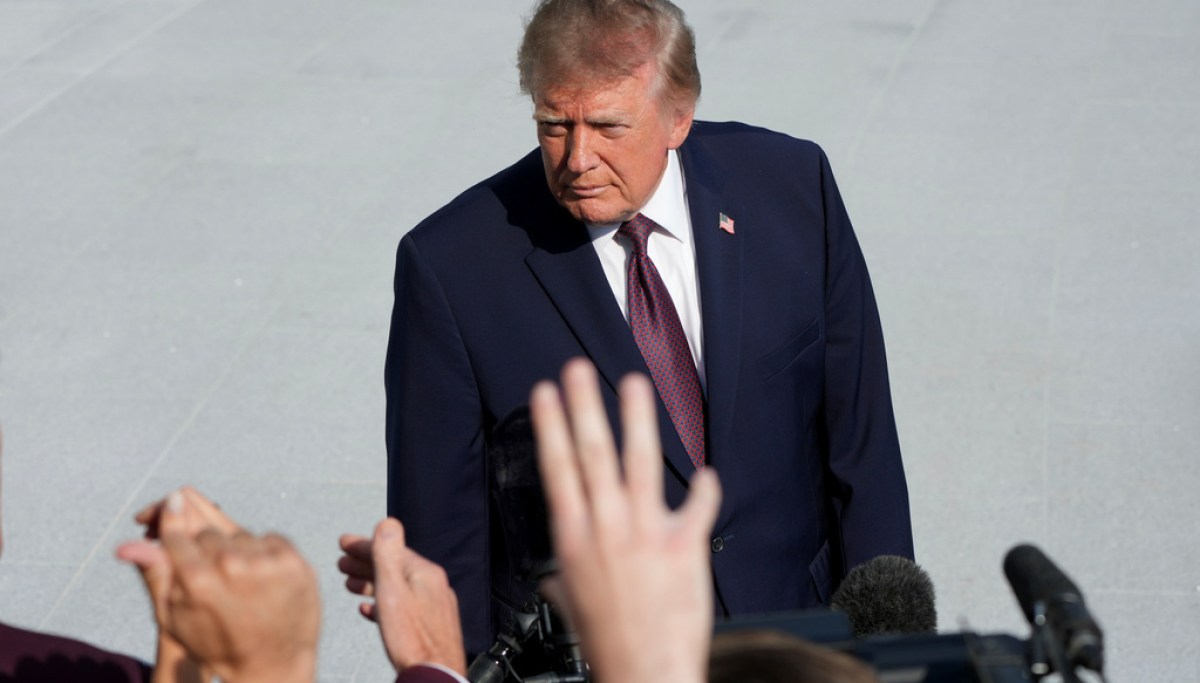
Cover image from independent.co.uk, which was analyzed for this article
Trump criticized Pope Leo as weak on crime and opposed to the Iran war, drawing defenses from US Catholics and figures like JD Vance. The public spat risks alienating religious voters amid broader theological and policy divides. Coverage notes potential political costs for Republicans.
PoliticalOS
Wednesday, April 15, 2026 — Politics
The core reality is a verifiable policy and personal disagreement between the Trump administration and Pope Leo XIV over the Iran war that has produced real discomfort among segments of U.S. Catholics, including some former Trump allies. This matters because Catholics were a growth demographic for Trump in 2024, and the rift—centered on just war principles versus national security—arrives as the conflict continues without clear resolution. Readers should weigh verified public statements against unverified dramatic quotes, recognizing that political loyalty and faith priorities are now in open tension ahead of future elections.
What outlets missed
Most coverage omitted the specific precursors to the Iran conflict, including Iran's nuclear breakthroughs, the 2025-2026 protest crackdowns that killed thousands, and Khamenei's assassination, which framed the U.S. strikes as a response rather than unprovoked aggression. Outlets downplayed or ignored Trump's consistent explanation that the AI image depicted him as a doctor tied to humanitarian aid, not a Christ figure, and rarely noted the image's full patriotic elements like fighter jets and the Statue of Liberty. The absence of any senior U.S. Catholic clergy publicly supporting the war received uneven treatment, as did Vance's full context that the vice president's role requires implementing the president's views over personal ones. Finally, concrete diplomatic efforts, including ongoing Vatican-White House back channels referenced by one official, were minimized in favor of outrage or dismissal.
Trump's Self-Portrayal as Jesus and Attack on Pope Leo Fracture Catholic Conservative Support
President Donald Trump has long used social media as both a megaphone and a mirror, posting through sleepless nights in search of the validation that comes when his words force cable news to pivot and his followers to surge. That habit, which dates to the first stirrings of his political career, has repeatedly tested the boundaries of presidential rhetoric. In recent days it has produced a moment that feels unprecedented even by the standards of his two terms: an AI-generated image of Trump robed like Christ, laying a glowing hand on a sick patient, posted shortly after a lengthy Truth Social attack on Pope Leo XIV.
The president accused the first American pope of being “WEAK” on crime, too liberal, and overly sympathetic to “the Radical Left.” The broadside was tied to the pontiff’s criticism of the ongoing U.S. war with Iran, now in its sixth week. Trump deleted the Jesus image after it drew widespread condemnation, but the episode has crystallized a shift that was already underway among Catholic conservatives who once formed a reliable part of his coalition.
Bishop Joseph Strickland, who just two years ago delivered a keynote at CPAC with Trump as the guest of honor and participated in a prayer event to “consecrate” the president’s Mar-a-Lago residence, offered a pointed response. “I pray that all of this will clarify for people that we don’t look to a national leader, we don’t look to those who have the most money or the most weapons,” Strickland said. “We look to Christ.” The bishop’s words reflect a growing unease among some traditionalist Catholics who supported Trump through two campaigns and the contested 2020 election but now see the war in Iran and the president’s rhetoric as crossing into territory their faith cannot easily bless.
Vice President JD Vance, a Catholic convert, tried to contain the damage. In an interview with Fox News, Vance described the image as “a joke” and said Trump removed it once he realized many people failed to grasp the humor. “I think the president of the United States likes to mix it up on social media,” Vance added, praising Trump for remaining “unfiltered.” He suggested the Vatican would do better to confine itself to matters of morality and leave policy to the White House. The defense did little to quell the backlash. Critics on social media and in religious circles accused the administration of treating sacred imagery as just another meme.
The episode stands in sharp historical contrast to the last time papal and presidential authority collided so visibly in American politics. During John F. Kennedy’s 1960 campaign, Protestant leaders warned that a Catholic president would be beholden to the Vatican, taking orders from Rome rather than the Constitution. Groups such as Citizens for Religious Freedom distributed pamphlets arguing that no Catholic could truly separate church hierarchy from public duty. Kennedy spent considerable energy reassuring voters that his faith would not compromise his independence. Sixty-six years later, the anxiety runs in the opposite direction: an American president openly feuding with a pope and inviting accusations of blasphemy by presenting himself in Christ-like form.
The pattern is familiar. Sources who served in Trump’s administrations and campaigns describe a man who scrolls for dopamine, timing posts to hijack news cycles and watching with satisfaction as his provocations migrate from his phone to the bottom of television screens. For years, the ritual produced a reliable choreography. Democrats and left-leaning commentators expressed outrage. Most Republican elected officials offered polite deflections. That choreography is breaking down. The current controversy has drawn criticism not only from institutional church figures but from allies who once viewed Trump’s presidency in almost providential terms.
Some conservative commentators have dismissed the coverage as media invention, arguing that the Vatican’s statements are vague and that Trump’s supporters remain unshaken. Yet the visible discomfort among figures like Strickland suggests the cost is real. Immigration policy, the conduct of the Iran war, and the president’s habit of injecting himself into religious symbolism have combined to create distance where once there was near-unanimity.
Trump’s willingness to blur the lines between political combat and sacred imagery raises longer-term questions about the stability of the coalitions that returned him to power. American politics has always mixed faith and partisanship, but the explicit fusion of presidential self-image with divine representation is new territory. For an administration that came into office promising to defend religious liberty and traditional values, the episode carries an irony that even loyalists are finding difficult to ignore. As Trump continues his nocturnal posting sprees, the boundary between personal grievance, political strategy, and religious propriety grows thinner, and the circle of those willing to defend every provocation grows smaller.
You just read Liberal's take. Want to read what actually happened?
More in Politics

Federal Agents Search Omar Home in Ongoing Immigration Probe
Homeland Security agents searched the Minnesota Democrat's DC residence in a criminal probe, prompting accusations of political intimidation from Omar and Democratic leaders. Coverage spans left-leaning outlets like NPR, BBC, and The Guardian alongside right-leaning criticism from The Federalist and Daily Wire.

Trump Diesel Import Plan Draws Pushback Over Russia Ties
The weekend agreement drew bipartisan congressional pushback and criticism from Ukraine's Zelenskyy, with analysts downplaying US fuel price impacts. Right-leaning outlets like National Review, Dispatch, and Washington Examiner questioned its legality and effectiveness.

Independents Test Voter Appetite for Middle Ground in 2026 Midterms
Nearly 200 independents are running in competitive races as voters weigh ballot measures on housing costs in states like Massachusetts. Left-leaning coverage from NYT, NPR, and Guardian highlights turnout and key races while right outlets focus on GOP strategy.
Trump Rallies in Alaska, Ohio to Bolster GOP Senate Candidates
The president rallied in Wasilla for Sen. Dan Sullivan and faced empty seats at an Ohio event amid midterm concerns. Outlets across the spectrum covered the trips as signals of GOP vulnerability weeks before Election Day.
The Compass
You just read five takes on one story.
What's your take? Find your political shape in a few minutes.
Take the test