
Trump-Pope Leo Rift Over Iran War Tests Catholic Support

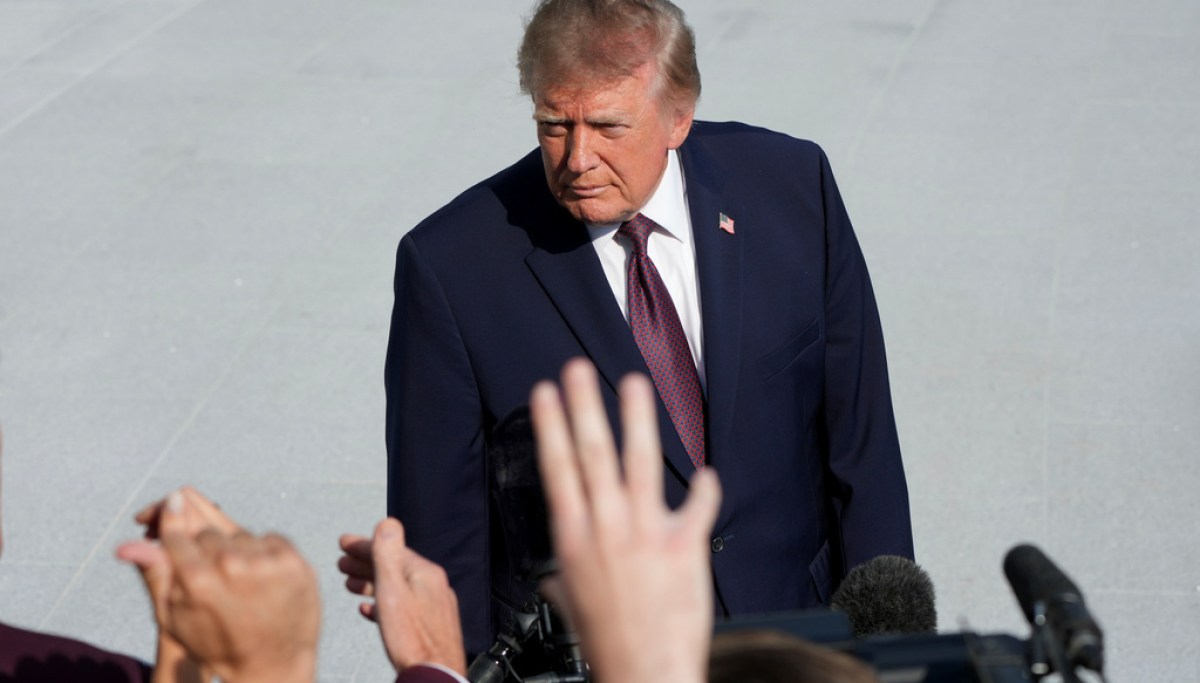
Cover image from independent.co.uk, which was analyzed for this article
Trump criticized Pope Leo as weak on crime and opposed to the Iran war, drawing defenses from US Catholics and figures like JD Vance. The public spat risks alienating religious voters amid broader theological and policy divides. Coverage notes potential political costs for Republicans.
PoliticalOS
Wednesday, April 15, 2026 — Politics
The core reality is a verifiable policy and personal disagreement between the Trump administration and Pope Leo XIV over the Iran war that has produced real discomfort among segments of U.S. Catholics, including some former Trump allies. This matters because Catholics were a growth demographic for Trump in 2024, and the rift—centered on just war principles versus national security—arrives as the conflict continues without clear resolution. Readers should weigh verified public statements against unverified dramatic quotes, recognizing that political loyalty and faith priorities are now in open tension ahead of future elections.
What outlets missed
Most coverage omitted the specific precursors to the Iran conflict, including Iran's nuclear breakthroughs, the 2025-2026 protest crackdowns that killed thousands, and Khamenei's assassination, which framed the U.S. strikes as a response rather than unprovoked aggression. Outlets downplayed or ignored Trump's consistent explanation that the AI image depicted him as a doctor tied to humanitarian aid, not a Christ figure, and rarely noted the image's full patriotic elements like fighter jets and the Statue of Liberty. The absence of any senior U.S. Catholic clergy publicly supporting the war received uneven treatment, as did Vance's full context that the vice president's role requires implementing the president's views over personal ones. Finally, concrete diplomatic efforts, including ongoing Vatican-White House back channels referenced by one official, were minimized in favor of outrage or dismissal.
Trump's Unhinged Social Media Crusade Against the Pope Exposes Cracks in His Catholic Base
President Donald Trump’s habit of rage-posting on Truth Social has long been a feature of his political brand, not a bug. From his earliest days on the platform once known as Twitter, Trump has used late-night scrolling sessions to chase viral dopamine hits, force cable news networks to scramble their coverage, and keep his opponents on the defensive. What began as 140-character provocations has now evolved into something far more grotesque: AI-generated images of himself as a Christ-like healer, paired with blistering public attacks on the first American pope. The episode, unfolding amid an unpopular six-week-old war with Iran, is not only drawing accusations of blasphemy but is actively costing him support among the very conservative Catholics who once formed a reliable pillar of his coalition.
The latest controversy erupted when Trump posted a lengthy Truth Social rant against Pope Leo XIV, dismissing the pontiff as “WEAK” on crime and accusing him of “catering to the Radical Left.” The broadside came after the pope criticized Trump’s immigration policies and voiced opposition to the escalating conflict with Iran. Shortly afterward, the president shared an AI-generated image depicting himself in flowing white robes, laying a glowing hand on a sick patient in an unmistakable imitation of Jesus performing a miracle. Even Trump appeared to recognize he had gone too far; the image was quickly deleted. But screenshots spread rapidly, prompting widespread condemnation.
The backlash has been notable not for its volume from predictable liberal critics, but for its emergence from longtime Trump allies within the Catholic Church. Bishop Joseph Strickland, who just two years ago participated in a prayer event to “consecrate” Trump’s Mar-a-Lago residence and delivered a keynote at CPAC alongside the then-candidate, publicly rebuked the president. “I pray that all of this will clarify for people that we don’t look to a national leader, we don’t look to those who have the most money or the most weapons,” Strickland said. “We look to Christ.” The bishop’s shift reflects a broader erosion of support among conservative Catholics since the Iran war began, a conflict that has tested the loyalty of even some of Trump’s most reliable faith-based backers.
Vice President JD Vance, who converted to Catholicism in 2019, attempted damage control in an interview with Fox News. Vance dismissed the Jesus image as “a joke,” claiming Trump took it down only because “a lot of people weren’t understanding his humor.” He praised the president for being “not filtered” and suggested the Vatican would do better to confine itself to “matters of morality” rather than American public policy. The remarks drew swift mockery on social media, with critics accusing the administration of treating serious religious offense as mere trolling.
This is not Trump’s first foray into racially charged or religiously inflammatory imagery. The president’s account previously shared manipulated videos superimposing Barack and Michelle Obama’s faces onto apes, a pattern that sources from his campaigns and administrations describe as deliberate attempts to dominate the news cycle. According to people who have worked with him across two administrations and three campaigns, Trump often marvels at how quickly his thumb-typed outbursts translate into chyrons on cable television. Republican lawmakers have grown adept at deflecting questions about these episodes, offering polite non-answers while Democrats and left-leaning commentators reliably express outrage. But the current controversy appears to be breaking that familiar pattern, with conservative religious figures now joining the chorus of disapproval.
The episode carries particular historical resonance. Six decades ago, during John F. Kennedy’s 1960 presidential campaign, Protestant leaders openly fretted that a Catholic president would take orders from the Vatican. The Rev. Norman Vincent Peale and the group Citizens for Religious Freedom warned of “extreme pressure” from the church hierarchy. Kennedy spent much of the campaign reassuring voters that he would not be controlled by Rome. The irony is lost on no one: in 2026, it is an American president who is openly feuding with a pope, distributing images that portray himself in messianic terms, and expecting Catholics to fall in line.
The war with Iran has sharpened these tensions. Church leaders have condemned the conflict and Trump’s hardline immigration agenda for months, creating friction between the Catholic hierarchy and some rank-and-file conservative believers. Trump’s decision to escalate that dispute by attacking Pope Leo personally appears to have crystallized a shift. What was once dismissed as Trump being Trump is now being viewed by growing numbers of his former religious allies as something closer to sacrilege.
Supporters continue to insist the president’s presidency was “God-sent,” and Vance’s defense suggests the White House believes the controversy can be laughed off as edgy humor. Yet the spectacle of a president depicting himself as Jesus while trading insults with the Vicar of Christ has left even some of his most loyal Catholic foot soldiers uneasy. As Bishop Strickland’s pointed reminder makes clear, many believers are now questioning whether their allegiance belongs to any political leader at all, no matter how skilled he is at dominating social media. Trump’s late-night posting sprees have always been about power and attention. This time, they may have cost him something more lasting: the unquestioning support of a key part of his base at a moment when his foreign policy is under mounting scrutiny.
You just read Progressive's take. Want to read what actually happened?
More in Politics

Federal Agents Search Omar Home in Ongoing Immigration Probe
Homeland Security agents searched the Minnesota Democrat's DC residence in a criminal probe, prompting accusations of political intimidation from Omar and Democratic leaders. Coverage spans left-leaning outlets like NPR, BBC, and The Guardian alongside right-leaning criticism from The Federalist and Daily Wire.

Trump Diesel Import Plan Draws Pushback Over Russia Ties
The weekend agreement drew bipartisan congressional pushback and criticism from Ukraine's Zelenskyy, with analysts downplaying US fuel price impacts. Right-leaning outlets like National Review, Dispatch, and Washington Examiner questioned its legality and effectiveness.

Independents Test Voter Appetite for Middle Ground in 2026 Midterms
Nearly 200 independents are running in competitive races as voters weigh ballot measures on housing costs in states like Massachusetts. Left-leaning coverage from NYT, NPR, and Guardian highlights turnout and key races while right outlets focus on GOP strategy.
Trump Rallies in Alaska, Ohio to Bolster GOP Senate Candidates
The president rallied in Wasilla for Sen. Dan Sullivan and faced empty seats at an Ohio event amid midterm concerns. Outlets across the spectrum covered the trips as signals of GOP vulnerability weeks before Election Day.
The Compass
You just read five takes on one story.
What's your take? Find your political shape in a few minutes.
Take the test