
Pope Clarifies 'Tyrants' Speech Not Aimed at Trump as Iran War Dispute Widens
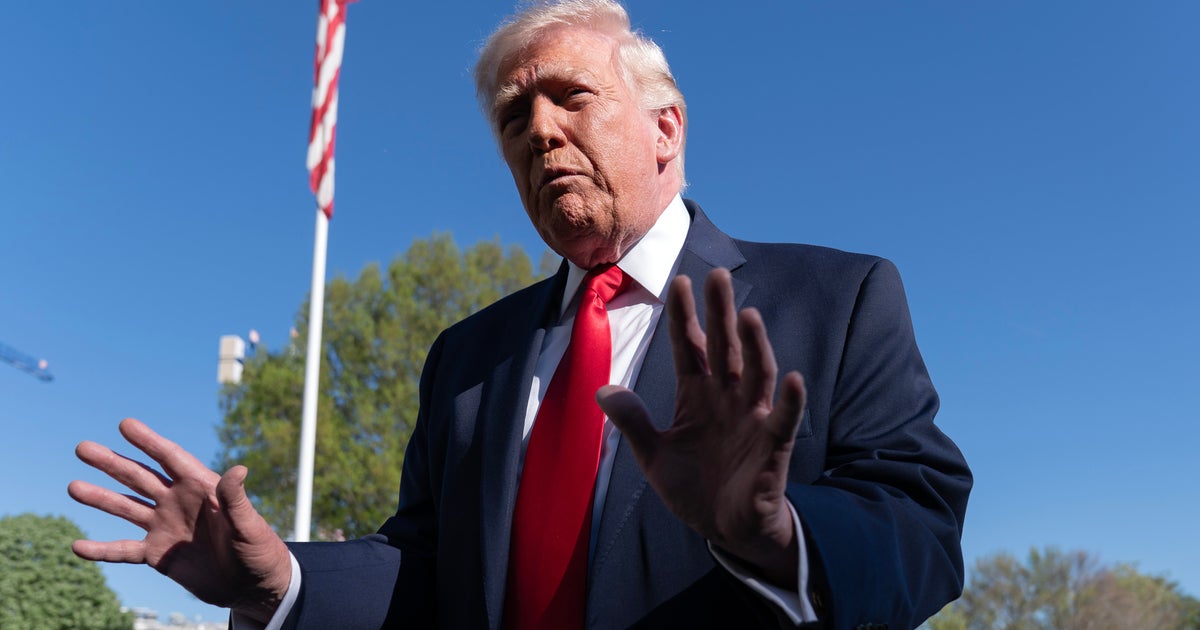
Cover image from huffpost.com, which was analyzed for this article
Pope Leo XIV clarifies his 'tyrants' comments were not aimed at Trump but decries escalations in Ukraine and Iran, calling for weapons to fall silent. The dispute has escalated, inspiring political cartoons and linking to concerns over Christians persecuted in Iran. The American pope's stance critiques US involvement in global conflicts.
PoliticalOS
Monday, April 13, 2026 — Politics
The core issue is whether moral objections to the human cost of war in Iran and Ukraine can be voiced by the spiritual leader of 1.4 billion Catholics without being cast as political interference or naivete about regimes that persecute Christians and pursue nuclear weapons. Verified events show both sides have stepped back from personal animosity, yet the underlying tension between just-war criteria and calls for immediate silence of weapons remains unsettled. Readers should weigh corroborated casualty data, the sequence of Iranian actions that preceded U.S. strikes, and the pope's consistent emphasis on civilian protection across multiple conflicts rather than any single inflammatory quote.
What outlets missed
Most outlets underplayed the verified triggers for Operation Epic Fury, including Iran's closure of the Strait of Hormuz and sponsorship of attacks on shipping and neighbors, details carried in CENTCOM statements and CFR trackers but rarely juxtaposed with papal criticism. Accurate cumulative death tolls from Iran's protest crackdowns and the 2026 war itself hover in the low thousands to mid-tens of thousands per Amnesty, Reuters and Statista; inflated claims of hundreds of thousands or 42,000 protesters killed in two months appeared in only a few pieces and could not be independently verified. Coverage also largely omitted the pope's parallel appeals on Ukraine following a mid-April Russian barrage that killed at least 17 civilians, as well as the correct timeline and locations of his African tour events confirmed by Vatican News. Finally, few noted that Leo's broader calls for civilian protection applied to multiple conflicts including Sudan, or that just-war criteria cited by Vance and Johnson require last resort, defensive cause and avoidance of greater evils, a framework the cardinals on 60 Minutes argued was not met.
Trump Calls Pope Leo Weak on Crime and Foreign Policy in Response to Peace Appeals
President Donald Trump sharply criticized Pope Leo XIV on Sunday night, describing the first American-born pontiff as “WEAK on Crime, and terrible for Foreign Policy” after the pope issued repeated calls for peace amid the United States’ military preparations to blockade Iranian ports and restore open passage through the Strait of Hormuz.
The president’s remarks, delivered first in a lengthy Truth Social post and then to reporters upon his return to Washington from Miami, underscored a fundamental difference in approach. Trump argued that his administration’s actions reflect the mandate voters gave him in a landslide election, including what he described as record-low crime rates and historic gains in the stock market. He accused the pope of catering to the “Radical Left” and treating necessary measures against hostile regimes as moral failings rather than practical responses to real threats.
The context is urgent. Iran has effectively closed the Strait of Hormuz, a chokepoint that carries roughly one-fifth of global oil consumption. In response, the United States is readying a blockade of maritime traffic to and from Iranian ports. Oil prices climbed again Monday while global markets mostly fell. British Prime Minister Keir Starmer noted that the closure is damaging international shipping and feeding cost-of-living pressures for families worldwide. Britain and France are co-hosting talks this week with other nations on a strictly defensive multinational naval mission to safeguard commercial shipping once the immediate conflict subsides. The United States has not participated in those particular discussions, emphasizing instead direct pressure on Tehran.
Pope Leo, born Robert Prevost in Chicago, has used religious settings to condemn what he calls the “delusion of omnipotence,” the “idolatry of self and money,” and the “display of power.” During an evening prayer vigil Saturday he declared, “Enough of war,” without naming the president or the United States directly. He has also expressed concern over past American actions, including a raid in Venezuela that led to the capture of Nicolás Maduro. Trump’s post noted that he does not want a pope who believes “it’s terrible that America attacked Venezuela.”
The president went further, claiming credit for Leo’s election last year. “He wasn’t on any list to be Pope, and was only put there by the Church because he was an American, and they thought that would be the best way to deal with President Donald J. Trump,” Trump wrote. “If I wasn’t in the White House, Leo wouldn’t be in the Vatican.” He added that he likes the pope’s elder brother, Louis Prevost, “much better” because he is “all MAGA.”
Trump repeated the criticism on the tarmac at Joint Base Andrews. “I don’t think he’s doing a very good job,” he said. “He likes crime, I guess. I’m not a fan of Pope Leo.” The president also shared an AI-generated image depicting himself in a Christ-like pose surrounded by symbolic figures including a soldier and an eagle, a move that drew its own round of commentary on a day that coincided with Orthodox Easter.
Leo responded Monday aboard the papal plane en route to Algeria. “I have no fear of the Trump administration,” he said. The pontiff insisted his statements are not political attacks but reflections of the Gospel message: “Blessed are the Peacemakers.” He added, “I will not enter into debate. The things that I say are certainly not meant as attacks on anyone.” Leo has made similar appeals throughout the Iran conflict, urging an end to violence after strikes that have included a deadly hit on a school.
The exchange highlights a recurring tension between institutional calls for moral restraint and the hard calculations of statecraft. For decades, analysts across the ideological spectrum have noted that declarations against war carry different weight depending on whether they account for the behavior of aggressors. Iran’s closure of the strait is not an abstract grievance; it directly raises energy costs that fall heaviest on working families and developing economies. Disruptions in oil markets have historically produced inflation, slower growth, and reduced living standards—consequences that rarely appear in statements focused solely on the immorality of force.
Trump’s willingness to speak bluntly about these stakes fits a pattern that has defined his return to office. Supporters see it as realism: adversaries respond to strength and credible threats, not perpetual negotiation from a position of hesitation. Critics, including voices within some religious circles, view it as arrogance. Yet the president’s post emphasized that the Catholic Church and other Christian organizations should fear radical ideologies and unchecked crime more than any American administration enforcing borders and protecting commerce.
This is not the first time Trump has clashed with Vatican leadership. His relationship with the late Pope Francis was often uneasy. Leo’s election as the first U.S.-born pope initially seemed to promise smoother waters, yet the pontiff has grown more vocal on immigration enforcement and now the Iran confrontation. The current dispute arrives as Britain, France, and more than 40 other countries pursue diplomatic and naval options to reopen sea lanes without direct entanglement in the U.S.-Iran standoff.
Whether the pope’s emphasis on reconciliation can influence events remains unclear. History suggests that peacemaking succeeds when paired with realistic assessments of power and incentives. As oil markets react and European leaders organize protective missions, the practical costs of prolonged closure in the Gulf are already visible. Trump’s argument is that deterring Iran and similar actors protects the very people global religious leaders claim to champion—ordinary citizens whose daily lives depend on affordable energy, safe shipping, and stable economies. The exchange between the president and the pope may be unusual in tone, but the underlying disagreement over means and ends is familiar. In a world where hostile regimes can shut vital waterways at will, appeals to conscience must still contend with the necessity of decisive action.
You just read Conservative's take. Want to read what actually happened?
More in Politics

Federal Agents Search Omar Home in Ongoing Immigration Probe
Homeland Security agents searched the Minnesota Democrat's DC residence in a criminal probe, prompting accusations of political intimidation from Omar and Democratic leaders. Coverage spans left-leaning outlets like NPR, BBC, and The Guardian alongside right-leaning criticism from The Federalist and Daily Wire.

Trump Diesel Import Plan Draws Pushback Over Russia Ties
The weekend agreement drew bipartisan congressional pushback and criticism from Ukraine's Zelenskyy, with analysts downplaying US fuel price impacts. Right-leaning outlets like National Review, Dispatch, and Washington Examiner questioned its legality and effectiveness.

Independents Test Voter Appetite for Middle Ground in 2026 Midterms
Nearly 200 independents are running in competitive races as voters weigh ballot measures on housing costs in states like Massachusetts. Left-leaning coverage from NYT, NPR, and Guardian highlights turnout and key races while right outlets focus on GOP strategy.
Trump Rallies in Alaska, Ohio to Bolster GOP Senate Candidates
The president rallied in Wasilla for Sen. Dan Sullivan and faced empty seats at an Ohio event amid midterm concerns. Outlets across the spectrum covered the trips as signals of GOP vulnerability weeks before Election Day.
The Compass
You just read five takes on one story.
What's your take? Find your political shape in a few minutes.
Take the test