
Pope Clarifies 'Tyrants' Speech Not Aimed at Trump as Iran War Dispute Widens
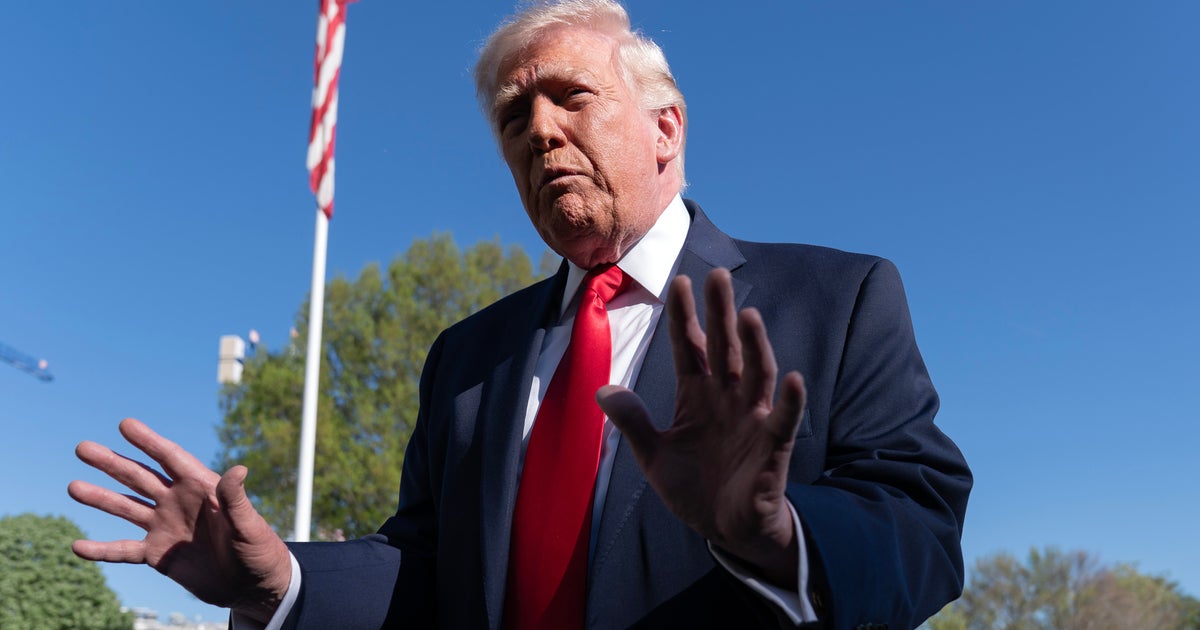
Cover image from huffpost.com, which was analyzed for this article
Pope Leo XIV clarifies his 'tyrants' comments were not aimed at Trump but decries escalations in Ukraine and Iran, calling for weapons to fall silent. The dispute has escalated, inspiring political cartoons and linking to concerns over Christians persecuted in Iran. The American pope's stance critiques US involvement in global conflicts.
PoliticalOS
Monday, April 13, 2026 — Politics
The core issue is whether moral objections to the human cost of war in Iran and Ukraine can be voiced by the spiritual leader of 1.4 billion Catholics without being cast as political interference or naivete about regimes that persecute Christians and pursue nuclear weapons. Verified events show both sides have stepped back from personal animosity, yet the underlying tension between just-war criteria and calls for immediate silence of weapons remains unsettled. Readers should weigh corroborated casualty data, the sequence of Iranian actions that preceded U.S. strikes, and the pope's consistent emphasis on civilian protection across multiple conflicts rather than any single inflammatory quote.
What outlets missed
Most outlets underplayed the verified triggers for Operation Epic Fury, including Iran's closure of the Strait of Hormuz and sponsorship of attacks on shipping and neighbors, details carried in CENTCOM statements and CFR trackers but rarely juxtaposed with papal criticism. Accurate cumulative death tolls from Iran's protest crackdowns and the 2026 war itself hover in the low thousands to mid-tens of thousands per Amnesty, Reuters and Statista; inflated claims of hundreds of thousands or 42,000 protesters killed in two months appeared in only a few pieces and could not be independently verified. Coverage also largely omitted the pope's parallel appeals on Ukraine following a mid-April Russian barrage that killed at least 17 civilians, as well as the correct timeline and locations of his African tour events confirmed by Vatican News. Finally, few noted that Leo's broader calls for civilian protection applied to multiple conflicts including Sudan, or that just-war criteria cited by Vance and Johnson require last resort, defensive cause and avoidance of greater evils, a framework the cardinals on 60 Minutes argued was not met.
Trump Escalates Feud With Pope Leo as Iran Conflict Roils Global Oil Markets
President Donald Trump launched an extraordinary public assault on Pope Leo XIV on Sunday night, accusing the first American-born pontiff of being weak on crime, terrible on foreign policy and overly sympathetic to liberal causes at a moment when the pope has repeatedly called for de-escalation in the widening war with Iran. The attack, delivered in a more than 300-word Truth Social post and followed by comments to reporters, underscored the deepening rift between the White House and one of the world's most influential moral voices at a time of rising geopolitical and economic strain.
Trump's outburst came hours after Pope Leo, speaking during an evening prayer service, decried what he called the "delusion of omnipotence," the "idolatry of self and money" and the "display of power" fueling conflict in the Middle East. The pope did not name Trump or the United States directly, but his remarks clearly targeted the administration's military posture, including the U.S. decision to impose a blockade on Iranian ports and its role in the fighting that has destabilized the region. On Saturday, Leo had urged an end to what he described as "absurd and inhuman violence."
In his response, Trump claimed credit for Leo's election last year, asserting that the College of Cardinals chose the Chicago-born cardinal, Robert Prevost, only because they believed an American pope would help them manage relations with the Trump administration. "If I wasn't in the White House, Leo wouldn't be in the Vatican," Trump wrote. He added that he preferred the pope's older brother, Louis Prevost, because "he's all MAGA." The president also criticized the Catholic Church's handling of the COVID-19 pandemic and suggested Leo was "catering to the Radical Left."
Speaking to reporters later at Joint Base Andrews after returning from a weekend in Miami, Trump doubled down. "I don't think he's doing a very good job," he said. "He likes crime, I guess. I'm not a fan of Pope Leo." The remarks extended a pattern in which Trump has shown little hesitation in targeting institutions once considered beyond partisan combat, including the papacy. His previous relationship with Pope Francis was often tense, and Trump had even posted an AI-generated image of himself as pope before Leo's selection.
The pope responded Monday while aboard the papal plane en route to Algeria. "I have no fear of the Trump administration," Leo said, according to multiple reports. He insisted his calls for peace were not political but rooted in the Gospel. "Blessed are the peacemakers," he reminded listeners, adding that he would not shy away from advocating for bridges of reconciliation even as war rages. Leo has grown more outspoken in recent months on both the Iran conflict and U.S. immigration policies, breaking from an earlier period of relative restraint.
The personal feud unfolds against a backdrop of serious diplomatic and economic consequences. Oil prices climbed Monday as markets reacted to the tightening blockade of Iranian ports and Iran's effective closure of the Strait of Hormuz, a chokepoint that carries roughly one-fifth of global oil consumption. Global stock markets mostly declined amid fears of prolonged disruption. Britain and France are co-hosting talks this week on a possible multinational naval mission to restore freedom of navigation in the strait once the immediate conflict subsides. Prime Minister Keir Starmer described the closure as damaging to global shipping and a driver of higher living costs. The United States has not been part of those planning discussions.
Critics quickly condemned Trump's language as unhinged and unbecoming of the presidency. Some pointed to the timing on Orthodox Easter and noted that Trump later reposted an AI-generated image depicting himself in a Christ-like pose, surrounded by symbolic figures including a soldier and an eagle, as evidence of a troubling blurring of religious and political imagery. Others highlighted the strategic cost: alienating a figure who commands the respect of more than 1.4 billion Catholics worldwide while the administration seeks international support for its Iran policy.
The episode reveals more than personal grievance. Trump's second term has been defined by a muscular, often unilateral approach to foreign threats, from the raid that captured Venezuelan leader Nicolás Maduro earlier this year to the current campaign against Iran. Pope Leo has positioned the Church as a consistent voice against what he sees as the trivialization of violence and the pursuit of dominance. That philosophical clash now sits at the center of a very public feud.
For an administration that came to power promising to restore American strength and reduce global chaos, the spectacle of the president trading insults with the leader of the Roman Catholic Church risks reinforcing perceptions of impulsiveness at the top. As oil prices rise and European allies organize independent naval efforts, the conflict between temporal power and moral suasion is no longer abstract. It is playing out in real time, with consequences that extend far beyond either man's social media feed.
You just read Liberal's take. Want to read what actually happened?
More in Politics

Federal Agents Search Omar Home in Ongoing Immigration Probe
Homeland Security agents searched the Minnesota Democrat's DC residence in a criminal probe, prompting accusations of political intimidation from Omar and Democratic leaders. Coverage spans left-leaning outlets like NPR, BBC, and The Guardian alongside right-leaning criticism from The Federalist and Daily Wire.

Trump Diesel Import Plan Draws Pushback Over Russia Ties
The weekend agreement drew bipartisan congressional pushback and criticism from Ukraine's Zelenskyy, with analysts downplaying US fuel price impacts. Right-leaning outlets like National Review, Dispatch, and Washington Examiner questioned its legality and effectiveness.

Independents Test Voter Appetite for Middle Ground in 2026 Midterms
Nearly 200 independents are running in competitive races as voters weigh ballot measures on housing costs in states like Massachusetts. Left-leaning coverage from NYT, NPR, and Guardian highlights turnout and key races while right outlets focus on GOP strategy.
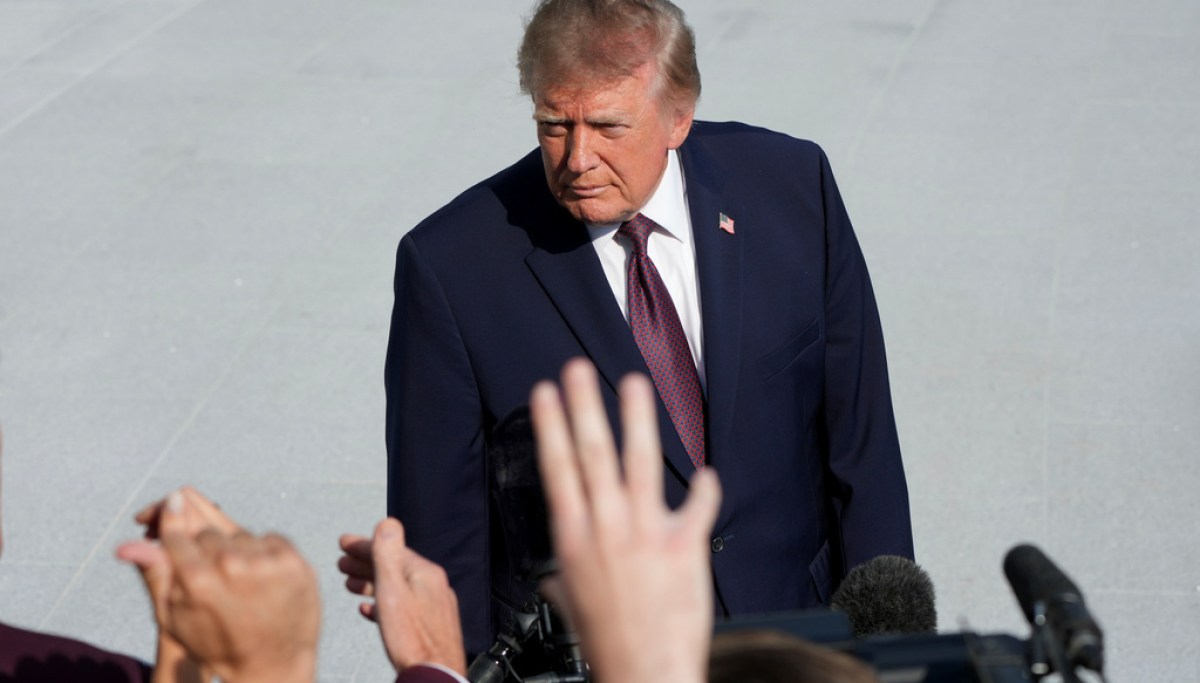
Trump Rallies in Alaska, Ohio to Bolster GOP Senate Candidates
The president rallied in Wasilla for Sen. Dan Sullivan and faced empty seats at an Ohio event amid midterm concerns. Outlets across the spectrum covered the trips as signals of GOP vulnerability weeks before Election Day.
The Compass
You just read five takes on one story.
What's your take? Find your political shape in a few minutes.
Take the test