
Trump-Pope Feud Over Iran War Ignites Just War Debate
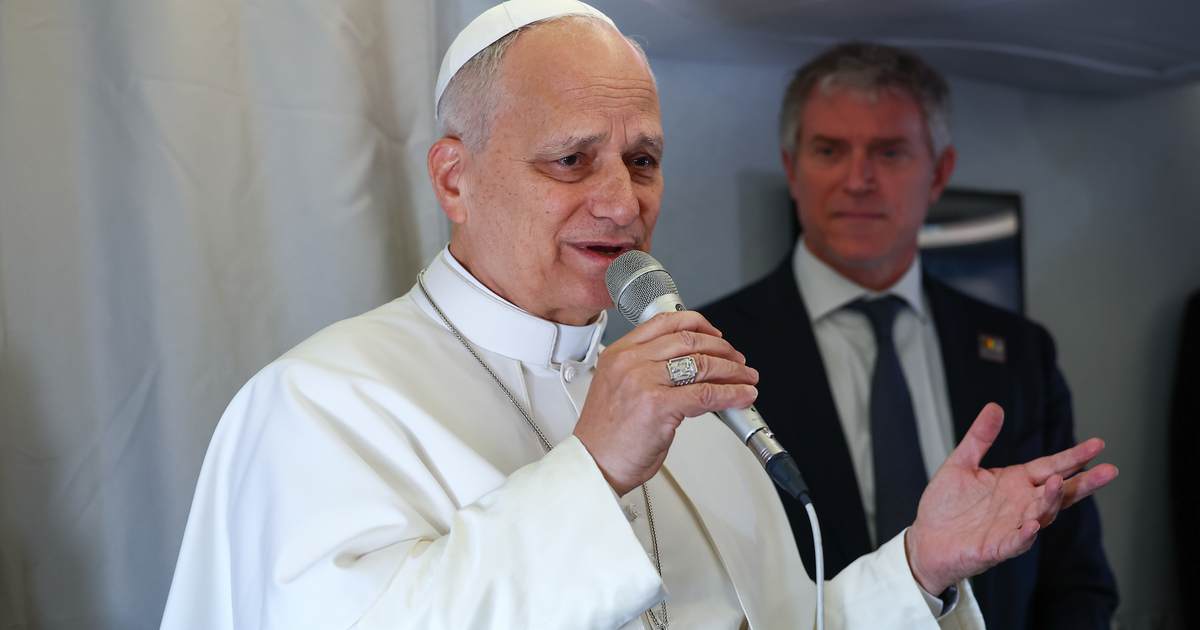
Cover image from townhall.com, which was analyzed for this article
Trump's criticism of Pope Leo, including Jesus memes and theological disputes tied to the Iran war, draws backlash from left-leaning outlets and debate on just war doctrine from conservatives. Allies defend his remarks while reports highlight erratic behavior under pressure. The clash tests loyalty among Christian supporters.
PoliticalOS
Thursday, April 16, 2026 — Politics
The Trump-Pope Leo XIV feud reveals an unresolved tension between Catholic just war doctrine and the administration's view that preemptive force against a nuclear-seeking Iran constitutes legitimate self-defense. With disputed casualty claims, a seven-week-old conflict, and active mediation efforts, readers should recognize that ancient theological principles are being applied to a modern security crisis with no consensus answer. The single most important reality is that this dispute forces American Christians to weigh institutional church guidance against perceived existential threats from a hostile regime.
What outlets missed
Most coverage omitted the precise timeline showing Pope Leo XIV criticized U.S. Iran policy first on March 29, with Trump framing his response as reactive, per PBS transcripts. The February 28 start of hostilities via U.S.-Israeli strikes on nuclear sites after failed talks received little context, yet this timing is central to just war assessments of preemption versus self-defense. Outlets also underplayed disputes over Trump's 42,000 protester death figure, with no consensus across human rights monitors, and skipped broader historical Iranian attacks on U.S. targets that inform the administration's rationale. Finally, ongoing Pakistan-mediated negotiations toward a potential ceasefire were mentioned only in passing, obscuring diplomatic off-ramps that could shift the moral calculus.
A deepening rift between the White House and the Vatican has left millions of American Catholics caught between institutional loyalty and national policy, as the first U.S.-born pope questions the morality of military action against Iran while the president insists the threat leaves no choice. What began as a papal call for peace has escalated into a theological and political confrontation that now tests long-standing alliances, influences domestic support for the conflict, and revives centuries-old questions about when war can be considered just.
Pope Leo XIV first spoke out against the conflict in late March, posting on X that the world must "reject the logic of violence and war" and declaring "enough of war and all the pain it causes." He later elaborated in a Palm Sunday homily that Jesus does not hear the prayers of those who wage war, according to transcripts from PBS and NPR. President Trump responded on Truth Social, asking supporters to remind the pontiff that Iran had killed at least 42,000 unarmed protesters in recent months and that a nuclear-armed Iran remained unacceptable. That death toll figure, cited by Trump, has not been corroborated by independent monitors; other tallies from Iranian state sources and human rights groups range from roughly 3,000 to 6,800.
The exchange quickly broadened. Vice President JD Vance, speaking at a Turning Point USA event, pushed back against the Pope's stance by invoking just war theory, a Catholic framework more than 1,000 years old. Vance noted historical examples where force served moral ends, asking whether God sided with Americans liberating Nazi concentration camps, and urged the Pope to focus on theology rather than public policy. House Speaker Mike Johnson expressed surprise at the Pope's comments about prayers of warmakers but added that political forays invite political replies. In contrast, the U.S. Conference of Catholic Bishops defended Leo's statements as consistent with church teaching on self-defense and the avoidance of injustice in war, citing the Catechism.
The feud has produced tangible diplomatic friction. Italian Prime Minister Giorgia Meloni, once viewed as a close Trump ally, has shown irritation. Sen. Thom Tillis, a North Carolina Republican, voiced discomfort. Trump has not apologized, telling reporters he was simply answering public criticism that began with the Pope. Some outlets reported Trump amplified his points with Jesus-themed memes; those specifics could not be independently verified across all sources.
At the core of the dispute lies an unresolved question: Does the U.S.-Israeli military campaign, which began Feb. 28 with strikes on Iranian nuclear facilities and infrastructure after diplomacy collapsed, meet the traditional criteria of just war—legitimate authority, last resort, proportionality, and reasonable chance of success? The administration frames the action as necessary prevention against a regime that has backed attacks killing Americans for decades, from the 1983 Beirut barracks bombing to proxy operations in Iraq and Yemen. Church leaders counter that preemption risks crossing into aggression and that the human cost, including civilian suffering in a now seven-week-old conflict, demands renewed pursuit of cease-fires. Pakistan has emerged as a mediator, with Field Marshal Asim Munir facilitating talks that the White House says could yield progress within days.
Reactions split along predictable lines yet revealed nuance. Conservative voices accused the Pope of selective outrage, noting his relative silence on atrocities by other regimes. Progressive outlets highlighted risks to Trump's support among Catholic voters and suggested the president's persistence reflected deeper strains. Claims in some left-leaning coverage that the episode signals worsening mental decline or erratic behavior under pressure were not corroborated by primary White House transcripts or multiple independent outlets. Bipartisan congressional voices have largely avoided direct intervention, compressing what could have been a lengthy roll call of statements into broader warnings about mixing faith with foreign policy.
The confrontation carries stakes beyond theology. It occurs against a backdrop of heightened U.S. economic pressure on Iran, a naval blockade, and debate over a proposed $1.5 trillion defense budget that includes significant increases. For believers, it forces a personal reckoning: whether ancient doctrine can adapt to nuclear-age threats from a government hostile to Christians and Jews, or whether the Pope's emphasis on love, justice, and an end to suffering must prevail. No resolution appears imminent. The war continues. The words from Rome and Washington keep coming. And the tension between sword and prayer remains unsettled.
More in Politics

Federal Agents Search Omar Home in Ongoing Immigration Probe
Homeland Security agents searched the Minnesota Democrat's DC residence in a criminal probe, prompting accusations of political intimidation from Omar and Democratic leaders. Coverage spans left-leaning outlets like NPR, BBC, and The Guardian alongside right-leaning criticism from The Federalist and Daily Wire.

Trump Diesel Import Plan Draws Pushback Over Russia Ties
The weekend agreement drew bipartisan congressional pushback and criticism from Ukraine's Zelenskyy, with analysts downplaying US fuel price impacts. Right-leaning outlets like National Review, Dispatch, and Washington Examiner questioned its legality and effectiveness.

Independents Test Voter Appetite for Middle Ground in 2026 Midterms
Nearly 200 independents are running in competitive races as voters weigh ballot measures on housing costs in states like Massachusetts. Left-leaning coverage from NYT, NPR, and Guardian highlights turnout and key races while right outlets focus on GOP strategy.
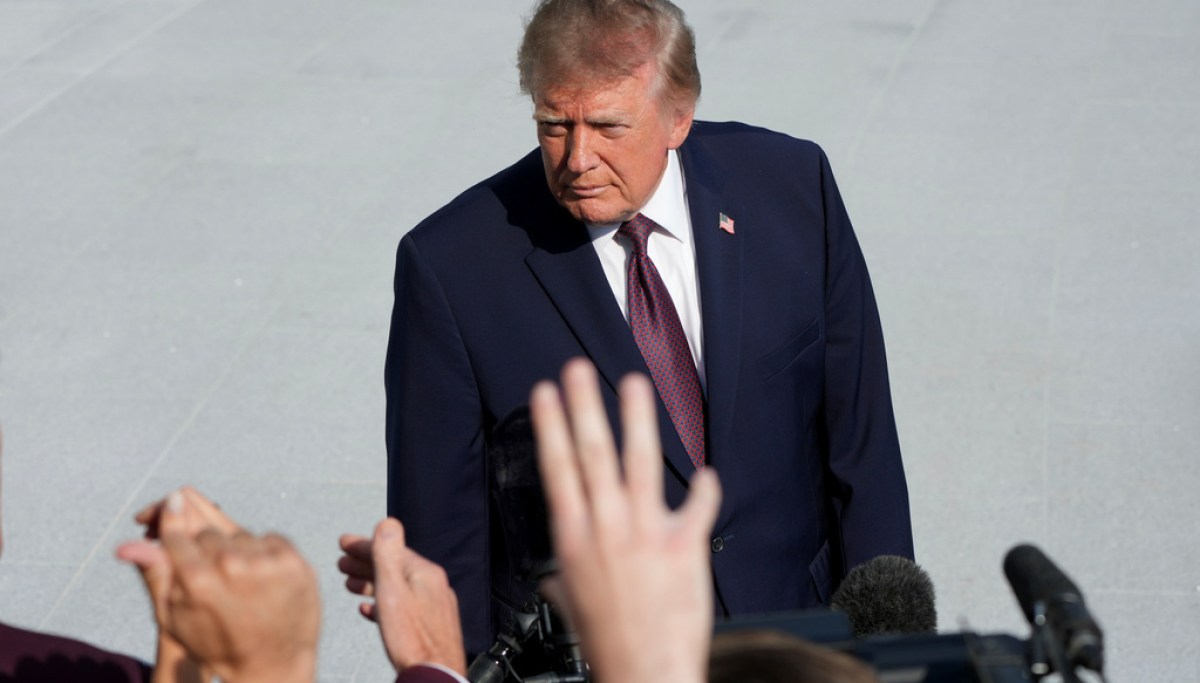
Trump Rallies in Alaska, Ohio to Bolster GOP Senate Candidates
The president rallied in Wasilla for Sen. Dan Sullivan and faced empty seats at an Ohio event amid midterm concerns. Outlets across the spectrum covered the trips as signals of GOP vulnerability weeks before Election Day.
The Compass
You just read five takes on one story.
What's your take? Find your political shape in a few minutes.
Take the test