
Trump-Pope Feud Over Iran War Ignites Just War Debate
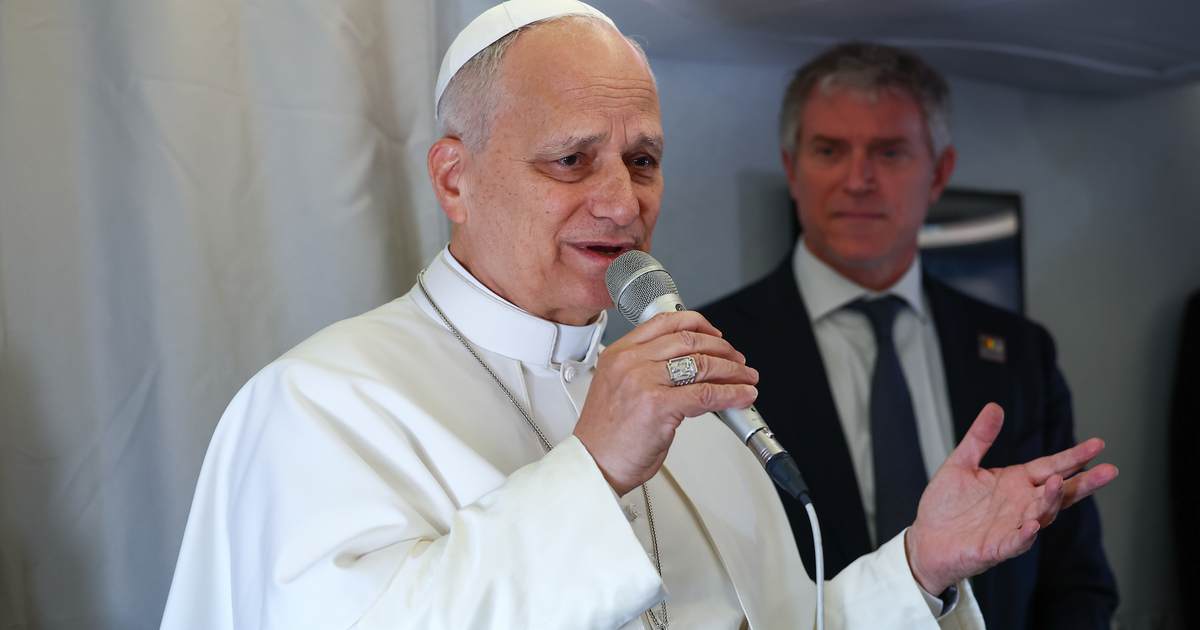
Cover image from townhall.com, which was analyzed for this article
Trump's criticism of Pope Leo, including Jesus memes and theological disputes tied to the Iran war, draws backlash from left-leaning outlets and debate on just war doctrine from conservatives. Allies defend his remarks while reports highlight erratic behavior under pressure. The clash tests loyalty among Christian supporters.
PoliticalOS
Thursday, April 16, 2026 — Politics
The Trump-Pope Leo XIV feud reveals an unresolved tension between Catholic just war doctrine and the administration's view that preemptive force against a nuclear-seeking Iran constitutes legitimate self-defense. With disputed casualty claims, a seven-week-old conflict, and active mediation efforts, readers should recognize that ancient theological principles are being applied to a modern security crisis with no consensus answer. The single most important reality is that this dispute forces American Christians to weigh institutional church guidance against perceived existential threats from a hostile regime.
What outlets missed
Most coverage omitted the precise timeline showing Pope Leo XIV criticized U.S. Iran policy first on March 29, with Trump framing his response as reactive, per PBS transcripts. The February 28 start of hostilities via U.S.-Israeli strikes on nuclear sites after failed talks received little context, yet this timing is central to just war assessments of preemption versus self-defense. Outlets also underplayed disputes over Trump's 42,000 protester death figure, with no consensus across human rights monitors, and skipped broader historical Iranian attacks on U.S. targets that inform the administration's rationale. Finally, ongoing Pakistan-mediated negotiations toward a potential ceasefire were mentioned only in passing, obscuring diplomatic off-ramps that could shift the moral calculus.
Trump Challenges Pope on Iran Threat Amid Just War Debate
President Donald Trump is showing no signs of backing down from his public dispute with Pope Leo XIV over military action against Iran, a confrontation that has drawn in Vice President JD Vance and Speaker Mike Johnson while highlighting deeper questions about moral clarity in an era of rogue regimes and nuclear proliferation. The exchange, which began with the Pope's repeated calls for peace on social media, has exposed tensions between theological appeals for nonviolence and the hard realities of state-sponsored terrorism and existential threats.
The latest flare-up came after Pope Leo posted on X urging the world to "reject the logic of violence and war, and embrace peace founded on love and justice." He added, "Enough of war and all the pain it causes." Trump responded directly on Truth Social, noting that Iran has killed at least 42,000 innocent, unarmed protesters in the past two months alone and that allowing the regime to acquire a nuclear weapon is "absolutely unacceptable." The president's persistence has reportedly strained relations with Italian Prime Minister Giorgia Meloni, once seen as a natural ally, and drawn mild pushback from Sen. Thom Tillis of North Carolina. Yet it has also ignited a substantive debate over the Catholic Church's just war doctrine, the centuries-old framework for determining when force may be morally justified.
Vance, a Catholic convert, addressed the issue head-on at a Turning Point USA event in Georgia. He praised the Pope's general advocacy for peace but pushed back against what he described as an unrealistic absolutism. "How can you say that God is never on the side of those who wield a sword?" Vance asked, citing America's role in liberating France from the Nazis and freeing prisoners from Holocaust camps. "I certainly think the answer is yes. I agree, Jesus does not support genocide." Vance suggested the Pope should focus on spiritual matters rather than second-guessing geopolitical decisions, a stance that aligns with long-standing conservative arguments about the limits of clerical expertise in statecraft.
Speaker Johnson similarly referenced just war principles, defending the administration's approach against claims that it violates Catholic teaching. The doctrine, rooted in the writings of St. Augustine and St. Thomas Aquinas, permits force when it meets criteria such as legitimate authority, just cause, right intention, last resort, and reasonable chance of success. Proponents argue that Iran's nuclear ambitions, its support for proxy militias, and its brutal suppression of domestic dissent meet those tests. Critics within the Church, including three cardinals who appeared on CBS's 60 Minutes, have taken a different view, equating American and Israeli actions with the aggressions of adversaries.
This moral equivalence drew sharp criticism from commentator Cal Thomas, who noted that the Pope and his allies have had far less to say about Iran's explicit hatred of Christians and Jews or the Islamic Republic's theological mandate for violence. Previous popes, such as John Paul II, spoke forcefully against Soviet communism and recognized the moral distinctions between free societies and totalitarian ones. Thomas pointed to Pope Pius VI's misjudgment during the American Revolution as a historical precedent for ecclesiastical error on political questions. American Catholics have long exercised independent judgment on such matters, as evidenced by the positions of prominent Democrats who diverge from Church teaching on abortion and marriage.
The current Pope began the year by condemning U.S. military action in Venezuela that ousted dictator Nicolás Maduro, an election fraudster whose regime had impoverished millions. That intervention, like the pressure on Iran, was framed by the administration as advancing human freedom against oppressive forces. Trump's approach echoes Ronald Reagan's moral clarity in labeling the Soviet Union an "evil empire." Where the Vatican sees endless cycles of pain, the president and his supporters see necessary disruptions to prevent greater catastrophes, such as a nuclear-armed theocracy that could destabilize the Middle East and threaten Europe and the United States.
Left-leaning outlets have portrayed Trump's persistence as unhinged rage, citing anonymous former allies who raise concerns about his mental state. The New York Times recently published a lengthy analysis quoting ex-officials, including some from his first term, along with Rep. Marjorie Taylor Greene. Former national security aide Olivia Troye, now running for Congress as a Democrat, described firsthand observations of the president's unfitness. Yet these accounts come amid a familiar pattern of partisan diagnosis that often emerges when Trump confronts institutional powers, whether in the intelligence community, corporate media, or now the Vatican. Such claims warrant skepticism given their source and timing.
At its core, the dispute reflects a classic tension between unconstrained idealism and constrained realism. Popes and cardinals operate in a realm of moral absolutes and eternal principles. Presidents must weigh those principles against the daily intelligence reports of protesters gunned down in Tehran streets, ballistic missile programs racing toward completion, and a regime that chants "Death to America" as doctrine. History suggests that peace founded on strength has often proven more durable than peace founded on wishes. Whether Pope Leo XIV will acknowledge the distinction between aggressor and defender remains to be seen, but the Trump administration shows no inclination to subordinate national security to ecclesiastical preference. The debate over just war is not merely academic. In a world where Iran funds terrorism across continents and races toward nuclear breakout, the stakes are measured in American lives, regional stability, and the survival of civilized norms.
You just read Conservative's take. Want to read what actually happened?
More in Politics

Federal Agents Search Omar Home in Ongoing Immigration Probe
Homeland Security agents searched the Minnesota Democrat's DC residence in a criminal probe, prompting accusations of political intimidation from Omar and Democratic leaders. Coverage spans left-leaning outlets like NPR, BBC, and The Guardian alongside right-leaning criticism from The Federalist and Daily Wire.

Trump Diesel Import Plan Draws Pushback Over Russia Ties
The weekend agreement drew bipartisan congressional pushback and criticism from Ukraine's Zelenskyy, with analysts downplaying US fuel price impacts. Right-leaning outlets like National Review, Dispatch, and Washington Examiner questioned its legality and effectiveness.

Independents Test Voter Appetite for Middle Ground in 2026 Midterms
Nearly 200 independents are running in competitive races as voters weigh ballot measures on housing costs in states like Massachusetts. Left-leaning coverage from NYT, NPR, and Guardian highlights turnout and key races while right outlets focus on GOP strategy.
Trump Rallies in Alaska, Ohio to Bolster GOP Senate Candidates
The president rallied in Wasilla for Sen. Dan Sullivan and faced empty seats at an Ohio event amid midterm concerns. Outlets across the spectrum covered the trips as signals of GOP vulnerability weeks before Election Day.
The Compass
You just read five takes on one story.
What's your take? Find your political shape in a few minutes.
Take the test