
Trump-Pope Feud Over Iran War Ignites Just War Debate
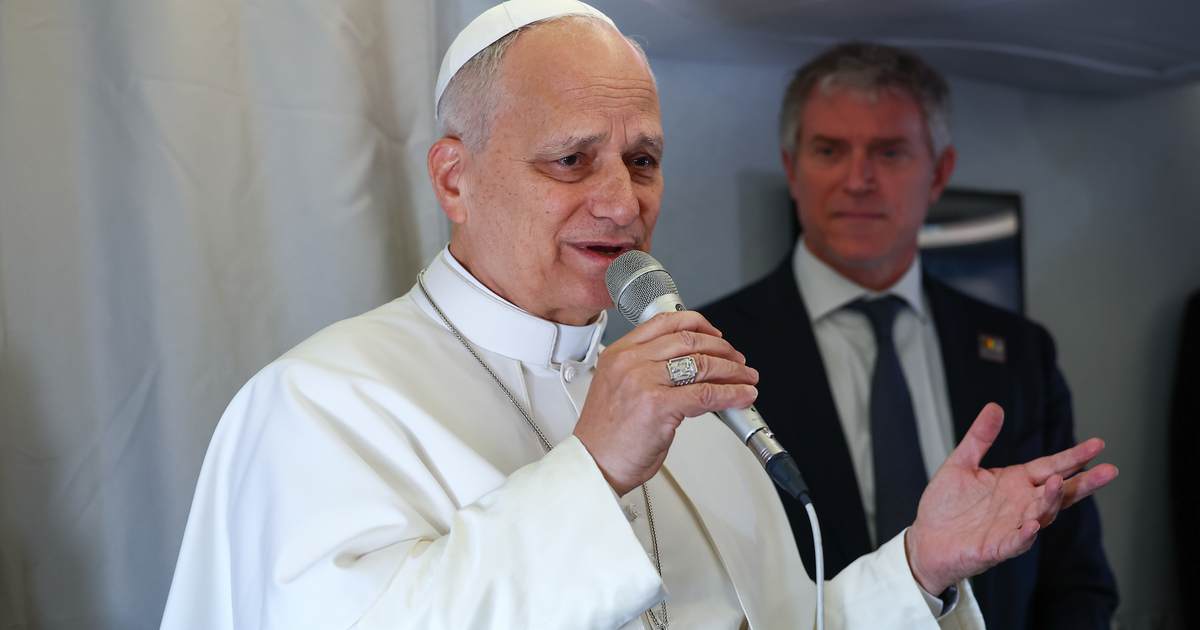
Cover image from townhall.com, which was analyzed for this article
Trump's criticism of Pope Leo, including Jesus memes and theological disputes tied to the Iran war, draws backlash from left-leaning outlets and debate on just war doctrine from conservatives. Allies defend his remarks while reports highlight erratic behavior under pressure. The clash tests loyalty among Christian supporters.
PoliticalOS
Thursday, April 16, 2026 — Politics
The Trump-Pope Leo XIV feud reveals an unresolved tension between Catholic just war doctrine and the administration's view that preemptive force against a nuclear-seeking Iran constitutes legitimate self-defense. With disputed casualty claims, a seven-week-old conflict, and active mediation efforts, readers should recognize that ancient theological principles are being applied to a modern security crisis with no consensus answer. The single most important reality is that this dispute forces American Christians to weigh institutional church guidance against perceived existential threats from a hostile regime.
What outlets missed
Most coverage omitted the precise timeline showing Pope Leo XIV criticized U.S. Iran policy first on March 29, with Trump framing his response as reactive, per PBS transcripts. The February 28 start of hostilities via U.S.-Israeli strikes on nuclear sites after failed talks received little context, yet this timing is central to just war assessments of preemption versus self-defense. Outlets also underplayed disputes over Trump's 42,000 protester death figure, with no consensus across human rights monitors, and skipped broader historical Iranian attacks on U.S. targets that inform the administration's rationale. Finally, ongoing Pakistan-mediated negotiations toward a potential ceasefire were mentioned only in passing, obscuring diplomatic off-ramps that could shift the moral calculus.
Trump Fires Back at Pope Over Iran Nuclear Threat and Mass Killings
President Donald Trump is refusing to yield to international scolding from the Vatican as Pope Leo XIV continues to issue pointed criticisms of American efforts to confront Iran's murderous regime and its headlong rush toward nuclear weapons. The latest exchange highlights a deepening rift between the blunt realism coming from the White House and what critics describe as the Pope's naive calls for peace that seem to ignore the blood on Tehran's hands.
Trump took to Truth Social late Tuesday to push back directly after the Pope posted yet another appeal on X calling for the world to "reject the logic of violence and war and embrace peace founded on love and justice." The President was not impressed. "Will someone please tell Pope Leo that Iran has killed at least 42,000 innocent, completely unarmed protesters in the last two months, and that for Iran to have a Nuclear Bomb is absolutely unacceptable?" Trump wrote. His message underscored a simple truth too often papered over by diplomatic niceties and theological pronouncements: evil regimes do not respond to sermons.
The Pope's latest remarks come on the heels of his earlier condemnations of U.S. military action, including operations in Venezuela that removed the corrupt dictator Nicolás Maduro. Church leaders, including three cardinals who appeared on 60 Minutes last weekend, have painted America's willingness to use force as morally suspect while showing far less urgency about the Islamic Republic's documented slaughter of its own people or its support for terrorism across the region. This selective outrage has not gone unnoticed. As conservative commentator Cal Thomas noted, these theologians appear comfortable equating American efforts to confront genuine threats with the deliberate barbarism of regimes that openly call for the destruction of Christians, Jews, and Western civilization itself.
Vice President JD Vance, a Catholic convert, pushed back firmly during a Turning Point USA event in Georgia. While acknowledging the Pope's role as an advocate for peace, Vance reminded listeners of basic moral distinctions the Vatican sometimes seems eager to blur. "How can you say that God is never on the side of those who wield a sword?" he asked, pointing to America's role in liberating France from the Nazis and freeing concentration camps during World War II. Vance rejected any notion that Jesus supports genocide but made clear that defensive force against genuine evil has long been recognized as morally legitimate under just war principles. He suggested the Pope would do better to focus on spiritual matters rather than inserting himself into complex geopolitical calculations.
House Speaker Mike Johnson echoed similar themes, invoking just war doctrine to defend the administration's approach against what he sees as serial violations by Iran. The debate has now spilled into Congress, with Sen. Thom Tillis among those expressing irritation at the Pope's repeated interventions. Even Italian Prime Minister Giorgia Meloni, once viewed as a natural Trump ally, has reportedly been cooled by the public back and forth.
This is not the first time a pontiff has found himself on the wrong side of history when confronting aggressive tyranny. During the American founding, Pope Pius VI misread events. Earlier popes failed to grasp the existential threat of communism until leaders like Ronald Reagan and Pope John Paul II called evil by its name. Reagan's labeling of the Soviet Union as an "evil empire" was denounced in some quarters at the time, yet history vindicated the clarity. Trump's willingness to speak plainly about Iran fits that tradition of recognizing threats rather than wishing them away through lofty rhetoric.
The intensity of the administration's response has triggered predictable reactions from certain corners. Outlets eager to portray Trump as unhinged have seized on the exchange to recycle old claims about his mental state. A New York Times piece citing anonymous former allies, including some from his first term, suggested alarm within his circle. Former officials like Olivia Troye have used the moment to question his fitness. Yet these critiques often come from voices who opposed Trump's tough approach to Iran from the beginning, preferring the Obama-era policies that enriched the mullahs and looked the other way as they spread chaos.
The contrast could not be clearer. On one side stands a Pope and his allies issuing blanket condemnations of "war" without grappling with the reality of 42,000 murdered protesters or the nightmare of a nuclear-armed Islamic Republic that funds proxies across the Middle East. On the other is an American president who recognizes that weakness invites aggression and that peace through strength remains the surest path to protecting innocent lives, including those of religious minorities persecuted by Tehran.
American Catholics have long navigated disagreements with papal pronouncements, particularly on issues where church teaching clashes with political fashions. Figures across the spectrum, from Nancy Pelosi to Joe Biden, have shown that selective adherence is nothing new. What makes this moment different is the Pope's willingness to wade into active national security debates while appearing to downplay the crimes of one of the world's most dangerous regimes.
As the just war debate continues, Vance's core point deserves emphasis. Not all uses of force are equal. Some are tragic necessities required to prevent greater horrors. History shows that sermons alone do not deter dictators or stop nuclear proliferation. Trump's refusal to be lectured into paralysis may frustrate the Vatican and its media allies, but it reflects a leader who understands that protecting civilization sometimes requires confronting its enemies directly rather than issuing platitudes from a distance. The coming weeks will reveal whether the Pope adjusts his tone or doubles down on a moral equivalency that history has repeatedly proven misguided.
You just read America First's take. Want to read what actually happened?
More in Politics
Trump at 32% Approval as Gas Prices Test GOP Midterm Hopes
NYT/Siena polling showed Trump's approval at historic lows around 32 percent with Democrats leading by double digits in key districts. Early voting has surged in battleground states.

Record Early Voting Hits Battlegrounds, Shifting Partisan Shares
AP analysis found hundreds of thousands more early ballots than in 2022 in states including Texas, Ohio, Kansas, Maine, and North Carolina, shifting partisan dynamics.
Trump Backs Marshall in Kansas Senate Race Tightened by Farm Costs
President Trump rallied in deep-red Kansas for GOP Sen. Roger Marshall in a competitive race, announcing an $8 billion farm fuel relief program amid high diesel prices. Democrats see an opening to end 94 years of GOP dominance in the state.

Trump Pauses Russia Sanctions Amid Ukraine Tensions and Missile Strikes
Trump waived sanctions on Russia and floated trilateral talks with Putin and Xi as part of ending the Ukraine war, while tensions rose with Zelenskyy over Starlink and arms. Bipartisan senators engaged Zelenskyy amid the shifts.
The Compass
You just read five takes on one story.
What's your take? Find your political shape in a few minutes.
Take the test