
Trump-Pope Feud Over Iran War Ignites Just War Debate
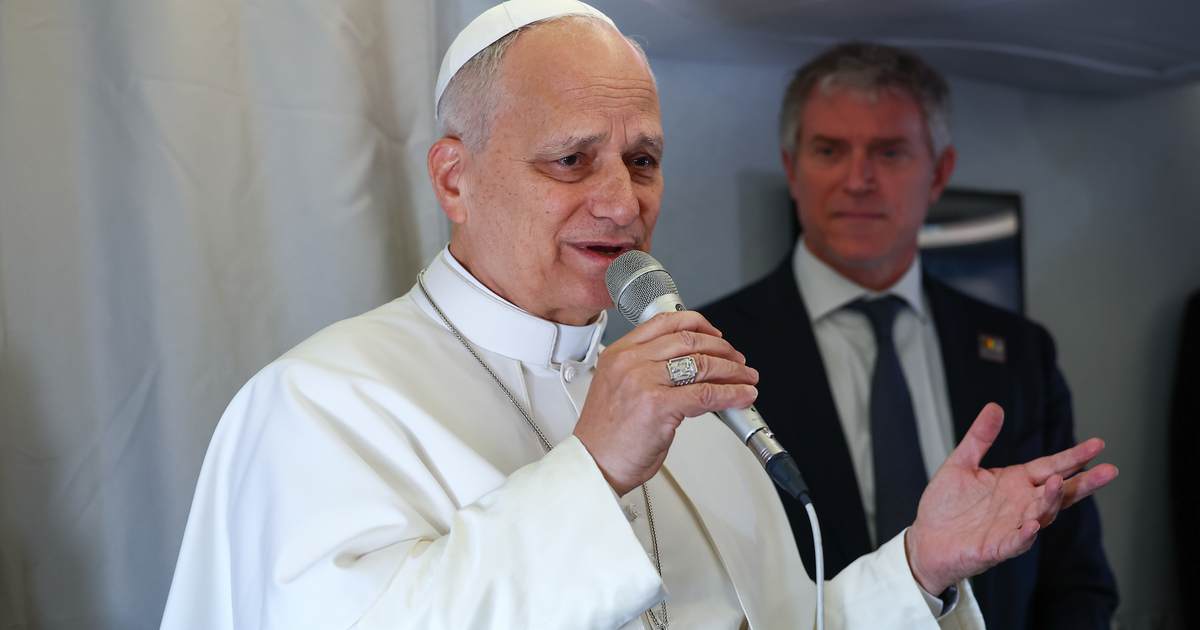
Cover image from townhall.com, which was analyzed for this article
Trump's criticism of Pope Leo, including Jesus memes and theological disputes tied to the Iran war, draws backlash from left-leaning outlets and debate on just war doctrine from conservatives. Allies defend his remarks while reports highlight erratic behavior under pressure. The clash tests loyalty among Christian supporters.
PoliticalOS
Thursday, April 16, 2026 — Politics
The Trump-Pope Leo XIV feud reveals an unresolved tension between Catholic just war doctrine and the administration's view that preemptive force against a nuclear-seeking Iran constitutes legitimate self-defense. With disputed casualty claims, a seven-week-old conflict, and active mediation efforts, readers should recognize that ancient theological principles are being applied to a modern security crisis with no consensus answer. The single most important reality is that this dispute forces American Christians to weigh institutional church guidance against perceived existential threats from a hostile regime.
What outlets missed
Most coverage omitted the precise timeline showing Pope Leo XIV criticized U.S. Iran policy first on March 29, with Trump framing his response as reactive, per PBS transcripts. The February 28 start of hostilities via U.S.-Israeli strikes on nuclear sites after failed talks received little context, yet this timing is central to just war assessments of preemption versus self-defense. Outlets also underplayed disputes over Trump's 42,000 protester death figure, with no consensus across human rights monitors, and skipped broader historical Iranian attacks on U.S. targets that inform the administration's rationale. Finally, ongoing Pakistan-mediated negotiations toward a potential ceasefire were mentioned only in passing, obscuring diplomatic off-ramps that could shift the moral calculus.
Trump's Clash With Pope Leo XIV Tests the Limits of Political Loyalty
In the weeks since Pope Leo XIV issued a pointed call for peace on social media, President Donald Trump has responded with a sustained barrage of criticism that has drawn in his vice president, his congressional allies, and even strained relationships with longtime conservative partners abroad. The episode reveals more than a foreign policy disagreement. It exposes the administration's insistence that political loyalty must supersede other sources of moral authority, including the Catholic Church's long-standing teachings on war and human dignity.
The latest flare-up began with a post from the pontiff urging the world to "reject the logic of violence and war, and embrace peace founded on love and justice." Such language is familiar from papal statements across decades and ideological lines. Yet Trump treated it as a personal and political affront. In a Truth Social post late Tuesday, the president demanded that someone "tell Pope Leo" about Iran's killing of at least 42,000 protesters and the unacceptability of the regime acquiring a nuclear weapon. The message carried the tone of a commander instructing a subordinate rather than a head of state engaging with a spiritual leader whose institution predates the American republic by more than a millennium.
Vice President JD Vance, a Catholic convert, escalated the administration's response during an appearance at a Turning Point USA event in Georgia. Vance acknowledged the pope's role as an advocate for peace but argued that the church's leader was ignoring the classical just war tradition. He invoked America's role in liberating Europe from the Nazis and liberating concentration camps, asking whether God was not on the side of those wielding the sword against unambiguous evil. "Jesus does not support genocide," Vance added, before suggesting the pope should avoid politics and "stay in his lane."
That theological rebuttal has itself sparked debate. Catholic teaching on just war, refined over centuries, insists that military force must meet strict criteria: legitimate authority, just cause, right intention, last resort, probability of success, and proportionality. Critics of the administration note that Trump's recent military actions in Venezuela, aimed at removing Nicolás Maduro, and the ongoing confrontation with Iran stretch several of those principles. House Speaker Mike Johnson has attempted to defend the president by invoking the same doctrine, though his presentation has struck even some conservative observers as selective.
The friction is not confined to theology. Italian Prime Minister Giorgia Meloni, once viewed as one of Trump's closest ideological allies in Europe, has been visibly alienated. Senator Thom Tillis, a North Carolina Republican, has also expressed discomfort with the president's relentless focus. The pattern fits a larger portrait emerging from recent reporting. A lengthy New York Times examination of the president's mental acuity, drawing on conversations with former advisers and allies, describes growing alarm even among figures such as Marjorie Taylor Greene. Olivia Troye, a former national security official now running for Congress as a Democrat, has recounted witnessing firsthand the gap between Trump's public persona and his private capacity to process complex threats.
These accounts gain added weight against the backdrop of Trump's broader pattern of demanding personal fealty. Where previous presidents, including devout Catholics such as John F. Kennedy and Joe Biden, navigated tensions with the Vatican through quiet diplomacy, Trump appears to view the pope's independence as intolerable. A new Substack newsletter titled "Letters from Leo," written by Christopher Hale, has begun cataloging how the papacy's interventions intersect with American politics in real time. The very existence of such chronicling underscores the novelty of the moment: a president who rose to power with strong support from white Catholic and evangelical voters now finds himself in open conflict with the most visible leader in global Christianity.
Conservative defenders, including columnist Cal Thomas, argue that the pope and several cardinals who recently appeared on "60 Minutes" are guilty of false equivalence. They contend that Iran's theocratic regime, which persecutes Christians and Jews, and Vladimir Putin's war in Ukraine receive insufficient condemnation from Rome compared with American actions. Previous popes, notably John Paul II, spoke forcefully against communism. Ronald Reagan labeled the Soviet Union an evil empire. Why, these voices ask, should the current pontiff not recognize similar moral clarity in Trump's confrontation with Tehran and Caracas?
Yet this defense sidesteps a central institutional reality. The Catholic Church is not a political party or an interest group. Its teachings on war are meant to transcend any single nation's foreign policy. When a president frames criticism from the pope as left-wing interference, he is not merely disagreeing on policy. He is asserting that no authority, spiritual or otherwise, should stand in judgment of his decisions.
The just war debate now unfolding in conservative circles may ultimately matter less than the political dynamics it reveals. Trump's inability to let the argument go, even as it costs him support from figures like Meloni, suggests a deeper impatience with any countervailing power. In previous eras, popes and presidents managed their differences without public spectacle. The current escalation, amplified by social media and 24-hour news cycles, risks turning a serious moral conversation into another front in America's polarized culture war.
For an administration already facing questions about its stability and its willingness to tolerate dissent, the feud with Pope Leo XIV is more than an oddity. It is a stress test of whether any institution can still speak with authority independent of the president's approval. So far, the Vatican has shown no inclination to yield. And Trump, unaccustomed to adversaries he cannot silence or co-opt, continues to respond with the only tool he appears to trust: unrelenting public pressure. The outcome of this collision between temporal power and spiritual independence will likely shape not only conservative politics but the broader question of whether any voice outside the White House can still command respect in an era of personalized rule.
You just read Liberal's take. Want to read what actually happened?
More in Politics

Federal Agents Search Omar Home in Ongoing Immigration Probe
Homeland Security agents searched the Minnesota Democrat's DC residence in a criminal probe, prompting accusations of political intimidation from Omar and Democratic leaders. Coverage spans left-leaning outlets like NPR, BBC, and The Guardian alongside right-leaning criticism from The Federalist and Daily Wire.

Trump Diesel Import Plan Draws Pushback Over Russia Ties
The weekend agreement drew bipartisan congressional pushback and criticism from Ukraine's Zelenskyy, with analysts downplaying US fuel price impacts. Right-leaning outlets like National Review, Dispatch, and Washington Examiner questioned its legality and effectiveness.

Independents Test Voter Appetite for Middle Ground in 2026 Midterms
Nearly 200 independents are running in competitive races as voters weigh ballot measures on housing costs in states like Massachusetts. Left-leaning coverage from NYT, NPR, and Guardian highlights turnout and key races while right outlets focus on GOP strategy.
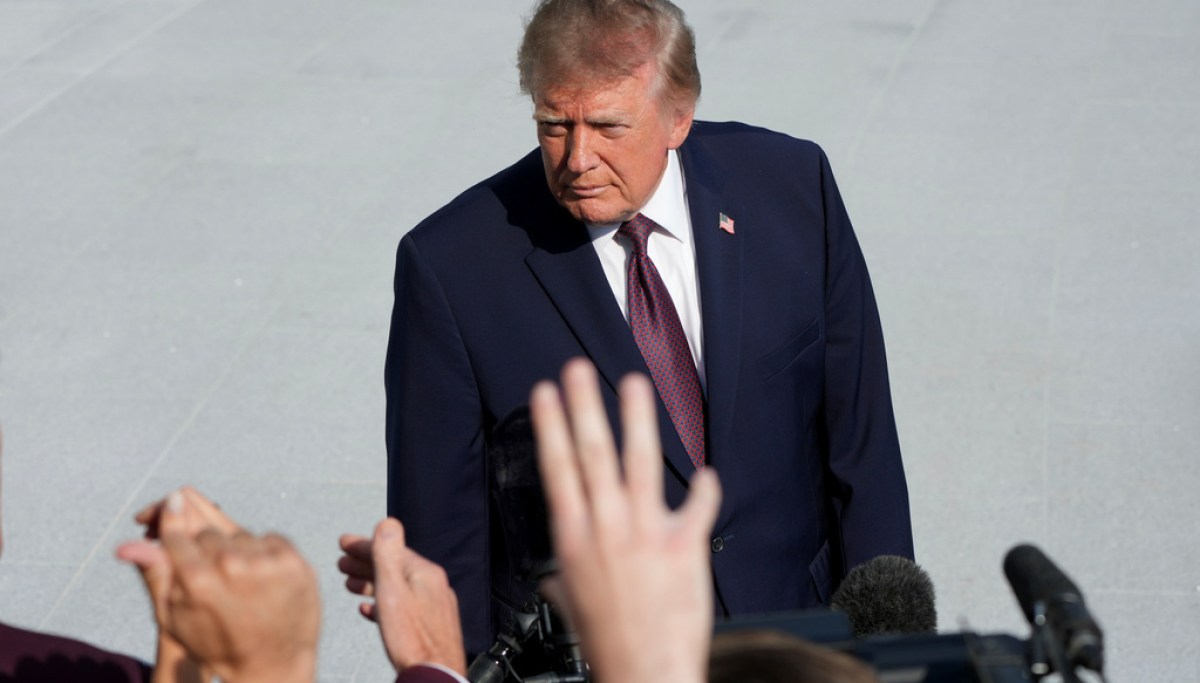
Trump Rallies in Alaska, Ohio to Bolster GOP Senate Candidates
The president rallied in Wasilla for Sen. Dan Sullivan and faced empty seats at an Ohio event amid midterm concerns. Outlets across the spectrum covered the trips as signals of GOP vulnerability weeks before Election Day.
The Compass
You just read five takes on one story.
What's your take? Find your political shape in a few minutes.
Take the test