
US Proposes 10-12.5% Tariffs on 60 Partners Over Forced Labor
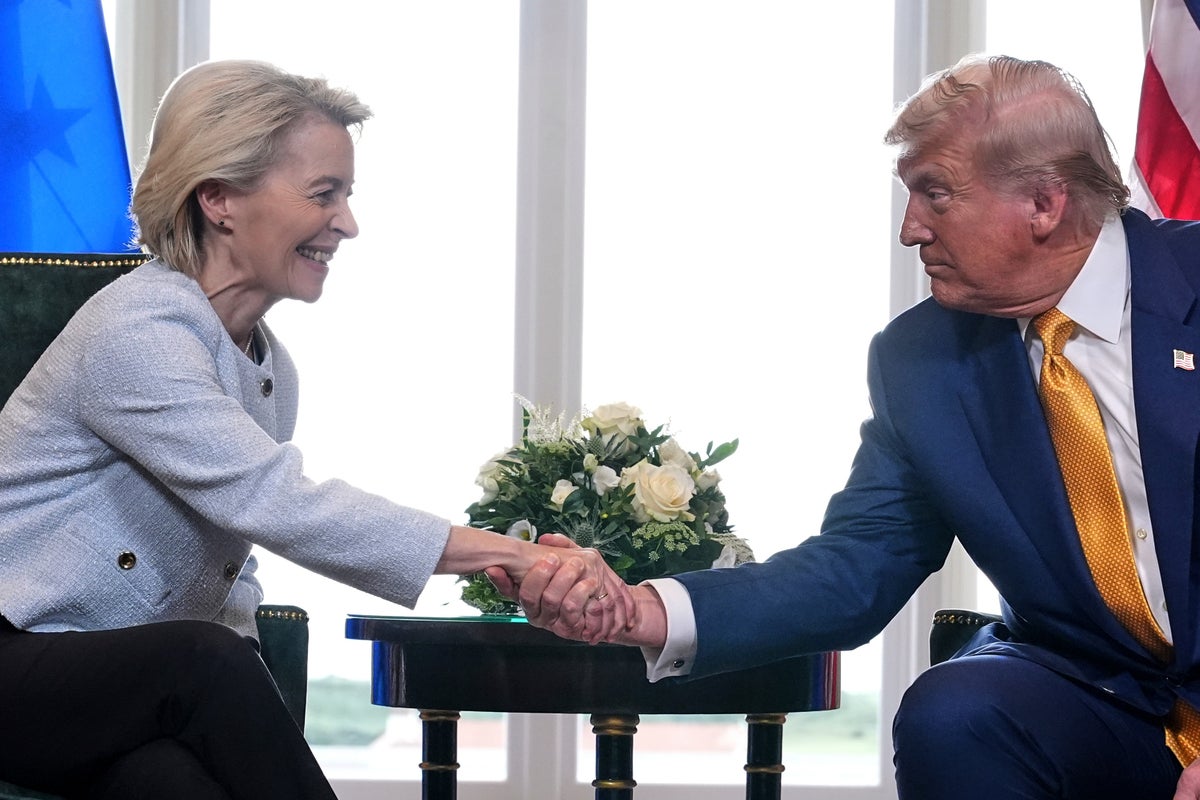
Cover image from independent.co.uk, which was analyzed for this article
The administration targets imports from dozens of nations including China, UK, and Canada under Section 301 over forced labor concerns. New price hikes expected for American households.
PoliticalOS
Wednesday, June 3, 2026 — Business
The tariffs rest on a documented Section 301 investigation that divided the 60 partners into two categories of noncompliance. Affected governments have rejected the premise or cited existing measures, and the duties still require further administrative steps before any price effects appear.
What outlets missed
Most coverage omitted the report's explicit distinction between the 54 countries lacking any prohibition and the six that possess laws but failed to enforce them. The March 2026 start date of the investigations and the 98-page report's specific docket references were also absent from several accounts. Few outlets noted that the six enforcement-failure countries still face the lower 10 percent rate while the broader group faces 12.5 percent.
American households face higher costs on everyday imports after the Trump administration proposed new duties on goods from nearly every major trading partner. The move targets supply chains that Washington says allow products made with forced labor to reach US markets.
The US Trade Representative launched investigations in March under Section 301 of the Trade Act of 1974. A subsequent report found that 54 of the 60 partners had failed to enact any legal ban on forced-labor imports, while six others—Canada, the EU, Ecuador, Indonesia, Mexico and Pakistan—had laws on the books but had not enforced them effectively. Proposed rates stand at 10 percent for the six enforcement cases and for several additional partners including the UK, and 12.5 percent for the remaining 45 countries that include China, India and Japan. The tariffs cover partners responsible for almost all US imports.
US Trade Representative Jamieson Greer stated that the failure to block such goods creates an unlevel playing field for American workers. The duties have not taken effect and remain subject to public comment and administrative review.
The United Kingdom said its Modern Slavery Act already addresses the issue and that it continues to discuss the matter with US officials. China rejected the premise outright, with foreign ministry spokesperson Mao Ning declaring there is no forced labor in the country and opposing the use of the issue for political purposes. The European Commission called the tariffs unjustified while noting it remains committed to a prior trade understanding with Washington. An Indian analyst described the action as a pressure tactic separate from ongoing negotiations.
The announcement follows a February Supreme Court decision that invalidated earlier tariffs imposed under the International Emergency Economic Powers Act. Administration officials have described the Section 301 route as an alternative path to address the same concerns.
More in Business & Economy

AI Companies Weigh Early IPOs as Risks Mount
Nasdaq fell sharply amid concerns over AI spending sustainability and data center costs; Nvidia, Meta, and others were hit as Meta and Tesla reported earnings.

Stocks Rise on Earnings as Home Sales Hit Low
Major indices closed mixed to higher, led by healthcare and defensive stocks, as companies like Eli Lilly and UnitedHealth reported strong results. Pending home sales hit record lows.

US Stocks Mixed as Tech Rebounds on AI Optimism
The Dow slipped slightly while the S&P 500 and Nasdaq rose, led by Nvidia, AMD, and Intel gains on renewed AI sector confidence after prior drops. Broader market volatility tied to earnings and data center demand.

Trump Unveils $8 Billion Diesel Relief for Farmers
The Agriculture Department launched the program to offset record diesel prices for farmers, framed as economic aid and a midterm pitch in Kansas amid ongoing inflation and energy cost pressures.
The Compass
You just read five takes on one story.
What's your take? Find your political shape in a few minutes.
Take the test