
US Proposes 10-12.5% Tariffs on 60 Partners Over Forced Labor
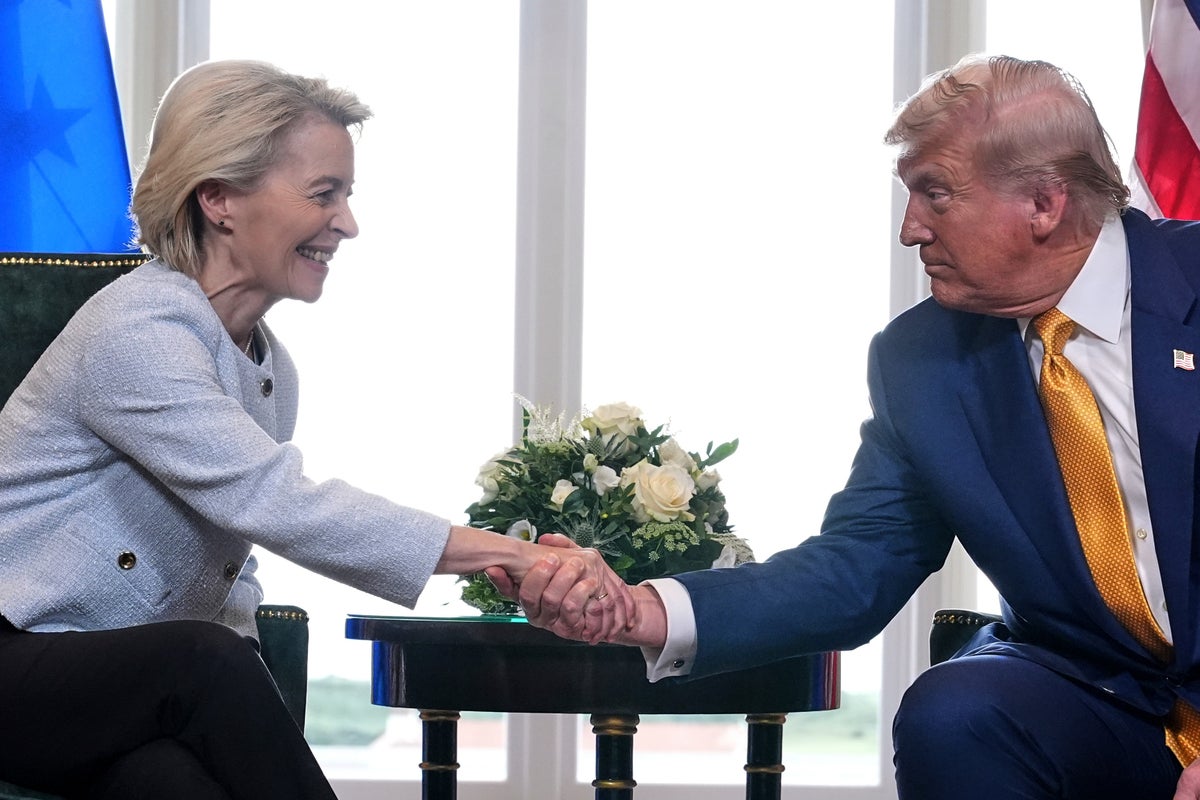
Cover image from independent.co.uk, which was analyzed for this article
The administration targets imports from dozens of nations including China, UK, and Canada under Section 301 over forced labor concerns. New price hikes expected for American households.
PoliticalOS
Wednesday, June 3, 2026 — Business
The tariffs rest on a documented Section 301 investigation that divided the 60 partners into two categories of noncompliance. Affected governments have rejected the premise or cited existing measures, and the duties still require further administrative steps before any price effects appear.
What outlets missed
Most coverage omitted the report's explicit distinction between the 54 countries lacking any prohibition and the six that possess laws but failed to enforce them. The March 2026 start date of the investigations and the 98-page report's specific docket references were also absent from several accounts. Few outlets noted that the six enforcement-failure countries still face the lower 10 percent rate while the broader group faces 12.5 percent.
Trump Targets Forced Labor in Global Trade With New Tariffs on 60 Partners
The Trump administration has proposed new tariffs ranging from 10 to 12.5 percent on imports from 60 major trading partners, citing their failure to block goods made with forced labor. The move targets nearly all US trading partners, including the UK, the EU, Canada, Japan, India, Mexico, and China, and follows an investigation launched in March by US Trade Representative Jamieson Greer.
The administration argues that countries allowing imports of products tied to forced labor put American workers at a disadvantage. Greer stated that this situation forces US workers to compete on an unlevel playing field and that such practices will no longer be tolerated. The report found that 54 of the partners had failed to impose or enforce bans on forced labor imports, while six others, including Canada and the EU, had not enforced prohibitions effectively.
These tariffs represent the latest effort by the administration to address long-standing imbalances in global trade. Previous attempts at broad tariffs faced legal challenges after the Supreme Court struck down earlier measures in February, yet the focus on forced labor provides a direct avenue to enforce rules that protect domestic manufacturing. The proposed duties would apply across a wide range of goods and are intended to discourage supply chains that rely on coerced labor, particularly from regions where such practices remain widespread.
Reactions from affected partners have been swift. The UK maintained it is already addressing forced labor issues, while China rejected claims that its exports involve such practices. The EU called the tariffs unjustified and pointed to prior trade agreements. Analysts in India described the action as a negotiating tactic, though the underlying investigation documented concrete shortcomings in enforcement across dozens of nations.
The tariffs have not yet taken effect and remain subject to public comment and review. This process allows time for further examination of how trading partners handle imports linked to forced labor. For American consumers and manufacturers, the policy aims to reduce reliance on goods produced under conditions that undercut wages and standards at home. Past trade policies often prioritized lower prices over labor protections, contributing to the offshoring of jobs and the erosion of domestic industry.
By tying tariffs to forced labor enforcement, the administration highlights a specific mechanism through which unfair competition persists. Countries that permit such imports gain an edge, while US producers adhere to stricter domestic rules. The list of 60 partners covers the bulk of US imports, ensuring the measure reaches the core of current trade flows. Implementation will depend on completing the required steps, but the announcement signals continued pressure to realign trade rules with the interests of American workers.
You just read America First's take. Want to read what actually happened?
More in Business & Economy

Stocks Rise on Earnings as Home Sales Hit Low
Major indices closed mixed to higher, led by healthcare and defensive stocks, as companies like Eli Lilly and UnitedHealth reported strong results. Pending home sales hit record lows.

US Stocks Mixed as Tech Rebounds on AI Optimism
The Dow slipped slightly while the S&P 500 and Nasdaq rose, led by Nvidia, AMD, and Intel gains on renewed AI sector confidence after prior drops. Broader market volatility tied to earnings and data center demand.

Trump Unveils $8 Billion Diesel Relief for Farmers
The Agriculture Department launched the program to offset record diesel prices for farmers, framed as economic aid and a midterm pitch in Kansas amid ongoing inflation and energy cost pressures.
CPI Rises to 3.7 Percent as Energy Costs Climb Amid Iran Conflict
Hotter-than-expected CPI figures fueled rate hike fears and contributed to sharp declines in AI and tech stocks. Left and right economic commentary debates Trump policies versus Fed actions.
The Compass
You just read five takes on one story.
What's your take? Find your political shape in a few minutes.
Take the test