
Trump's new tariffs target 60 nations under forced-labor rules
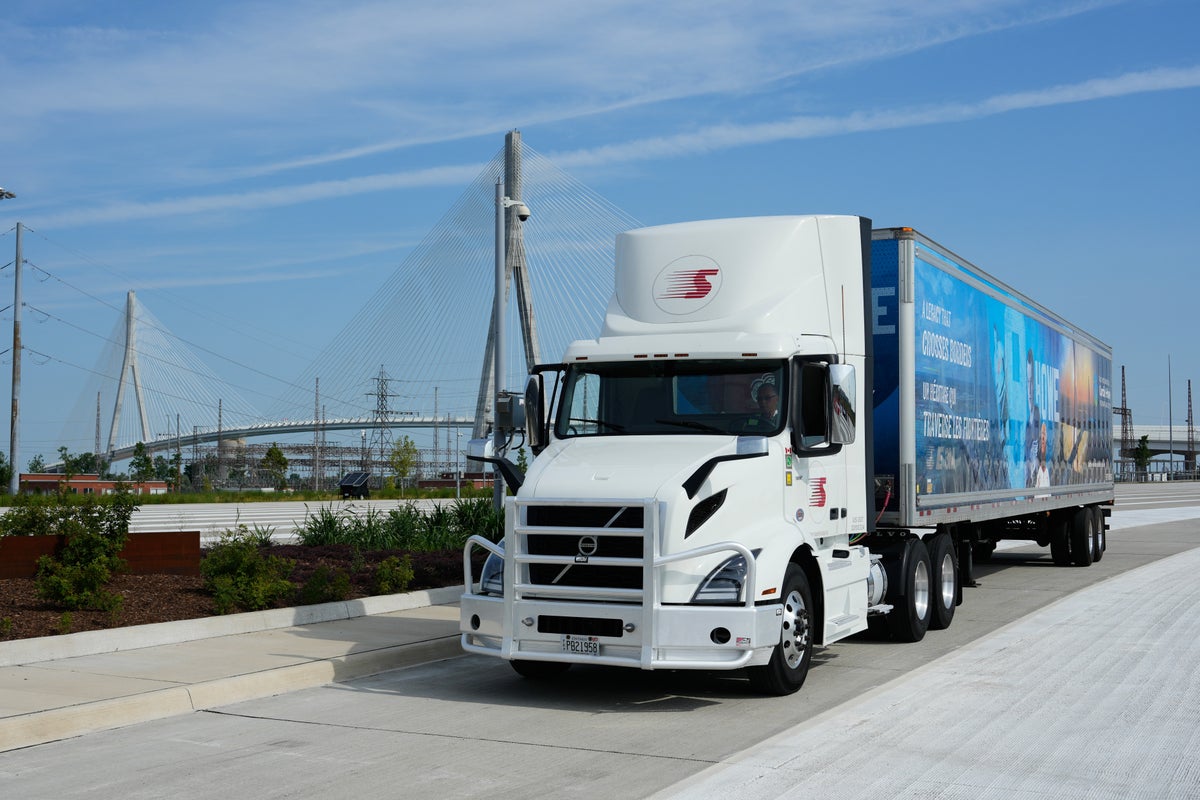
Cover image from independent.co.uk, which was analyzed for this article
New tariffs are being examined for their legal basis and effects on supply chains, with some viewing them as a forced-labor crackdown and others as a congressional bypass.
PoliticalOS
Monday, July 27, 2026 — Business
The tariffs rest on Section 301 authority tied to forced-labor claims after an earlier legal setback, yet their long-term durability and precise effects on specific supply chains remain open questions that neither account fully resolves.
What outlets missed
The Section 301 legal mechanism and its explicit link to forced-labor prohibitions were described in detail by one outlet but received no mention in the other, leaving the policy's statutory basis unexamined. Neither account provided data on the volume or specific categories of goods affected beyond broad percentages, nor did they include reactions from labor-rights groups or supply-chain executives. The interaction between the tariffs and the ongoing Iran conflict, including potential energy-price feedback loops, was noted only in passing without further sourcing on projected fiscal or inflation impacts.
Gordie Howe Bridge Opens Linking Detroit and Windsor Despite Tariff Tensions
The Gordie Howe International Bridge opened to traffic Monday, providing a new six-lane crossing over the Detroit River between Windsor, Ontario, and Detroit. The span replaces the Ambassador Bridge as the primary commercial route in the region after nearly a century of reliance on that private facility. Canada covered the bulk of the $6.4 billion cost for the project, which began construction in 2018 and faced delays from the pandemic.
The bridge is expected to handle increased truck traffic, support tourism, and move goods more efficiently across one of North America's busiest border points. Detroit already processes a large share of bilateral trade, with more than 70 percent of Canadian exports heading to the United States. Officials in Canada held a ribbon-cutting last week, though U.S. and Michigan representatives stayed away following President Donald Trump's announcement of 50 percent tariffs on Canadian imports.
Those tariffs form part of a wider set of duties applied to 60 trading partners, ranging from 10 to 12.5 percent and taking effect after an earlier baseline measure expired. Markets showed little immediate reaction, as the changes had been anticipated. Still, the timing coincides with higher oil prices above $100 a barrel and ongoing supply disruptions tied to Middle East hostilities.
Economic analysis of similar past measures shows tariffs function as taxes that raise input costs for domestic manufacturers and consumers. Industries that rely on cross-border supply chains, such as auto production centered in the Detroit-Windsor corridor, face added expenses that can reduce output and employment over time. Historical data from earlier tariff episodes indicate that protected sectors often gain modestly while downstream users absorb larger losses through higher prices and slower growth.
The new crossing was designed to lower transportation frictions and expand trade volume. Its opening occurs against policies that deliberately increase those frictions through higher duties. Canada’s heavy dependence on the U.S. market means the tariffs will transmit directly into Canadian export prices, yet American buyers of those goods will pay more as well. This mutual burden arises because tariffs distort price signals that otherwise direct resources toward their most valued uses.
Pedestrian and cyclist access is scheduled to begin in coming weeks once identification procedures are finalized. The structure rises 151 feet above the river and spans 1.5 miles. While the engineering achievement stands, the surrounding policy environment introduces new variables into the trade flows the bridge was built to serve.
Observers note that repeated rounds of duties create uncertainty that can discourage long-term investment in border infrastructure and related industries. The bridge itself represents a fixed improvement in physical capacity, yet its economic payoff depends on the volume and composition of trade that policy choices either encourage or constrain.
You just read Conservative's take. Want to read what actually happened?
More in Business & Economy

Business Activity Holds Up as Selling Prices Rise Fastest Since 2022
S&P Global PMI shows robust activity but selling prices rise at fastest pace since 2022 amid energy and supply chain costs. Halloween candy prices jump 7.7%.

Stock Futures Climb on Anthropic IPO Filing and AI Financing
Major indices rose on enthusiasm from Anthropic's IPO filing and broader AI infrastructure announcements including Meta's massive fundraising plans. Investors are betting heavily on continued AI growth despite valuation concerns.

Tariffs and AI Transition Fuel Growth and Job Worries
Trump's tariff rhetoric and AI-driven restructuring raised concerns about growth, inflation, and job impacts as markets reacted to geopolitical and tech shifts.

AI Companies Weigh Early IPOs as Risks Mount
Nasdaq fell sharply amid concerns over AI spending sustainability and data center costs; Nvidia, Meta, and others were hit as Meta and Tesla reported earnings.
The Compass
You just read five takes on one story.
What's your take? Find your political shape in a few minutes.
Take the test