
Trump's new tariffs target 60 nations under forced-labor rules
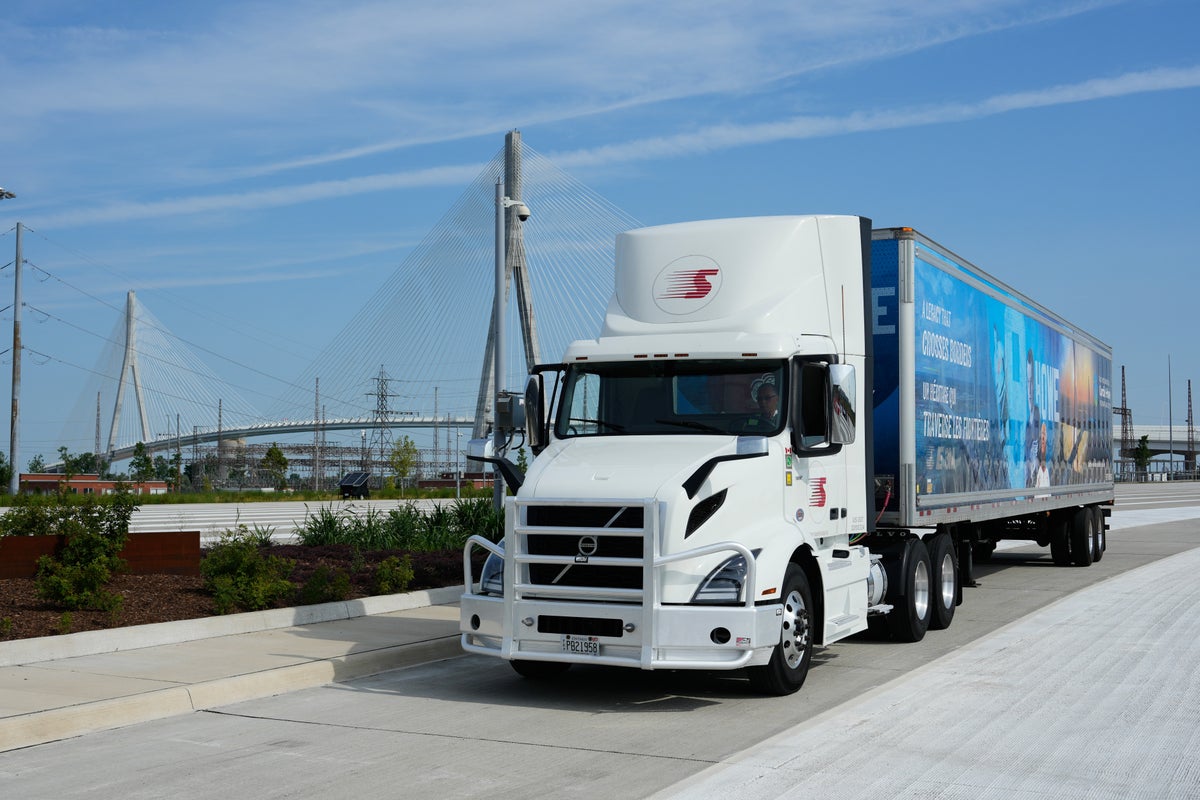
Cover image from independent.co.uk, which was analyzed for this article
New tariffs are being examined for their legal basis and effects on supply chains, with some viewing them as a forced-labor crackdown and others as a congressional bypass.
PoliticalOS
Monday, July 27, 2026 — Business
The tariffs rest on Section 301 authority tied to forced-labor claims after an earlier legal setback, yet their long-term durability and precise effects on specific supply chains remain open questions that neither account fully resolves.
What outlets missed
The Section 301 legal mechanism and its explicit link to forced-labor prohibitions were described in detail by one outlet but received no mention in the other, leaving the policy's statutory basis unexamined. Neither account provided data on the volume or specific categories of goods affected beyond broad percentages, nor did they include reactions from labor-rights groups or supply-chain executives. The interaction between the tariffs and the ongoing Iran conflict, including potential energy-price feedback loops, was noted only in passing without further sourcing on projected fiscal or inflation impacts.
Gordie Howe Bridge Opens as Trump Imposes New Tariffs on Canada
Traffic started flowing across the Gordie Howe International Bridge on Monday linking Detroit and Windsor Ontario after years of construction and delays. The six lane span over the Detroit River replaces the old Ambassador Bridge as the main commercial truck route and marks the first new crossing in nearly a century. Canada paid the full 6.4 billion dollar cost and held a ribbon cutting last week without American or Michigan officials present.
President Trump pointed out the snub on social media noting that Canada had disinvited the United States because of the new tariffs now in place. Those duties which took effect at midnight Friday hit Canadian imports at 50 percent as part of a broader round targeting sixty trading partners including the European Union China and the United Kingdom. The move replaces an earlier 10 percent baseline that expired on July 24 and comes while U.S. forces remain engaged in a sixth month conflict with Iran that has pushed oil prices above 100 dollars a barrel.
More than 70 percent of Canadian exports head to the United States and Detroit handles the largest share of truck traffic on the northern border according to federal transportation data. Supporters of the bridge say it will speed goods reduce congestion and support jobs on both sides yet the timing raises questions about whether freer movement of products serves American workers when Washington is trying to correct long standing trade imbalances. Construction began in 2018 and ran into pandemic related setbacks before the structure reached 151 feet above the water.
Market reaction to the latest tariffs stayed relatively calm compared with last year's larger announcements because investors had expected the change. Analysts note however that these duties land against a backdrop of energy shocks and supply chain strains that could add to inflation pressures at home. The White House has shown it is willing to proceed regardless of those effects signaling a continued focus on protecting domestic industry even as global conditions grow more difficult.
The bridge will open to pedestrians and cyclists with proper identification in the coming weeks. For now commercial traffic is the priority and the structure is expected to handle growing volumes that previously strained the single older crossing. Canadian officials celebrated the project as a symbol of cross border cooperation but the absence of U.S. representation and the simultaneous tariff action make clear that Washington views the relationship through a different lens focused on reciprocity rather than automatic openness.
Trump's approach reflects a consistent view that past trade arrangements favored foreign producers at the expense of American factories and communities. With the new duties in place and the bridge now operational the test will be whether increased capacity translates into balanced benefits or simply faster movement of goods that still carry an uneven advantage for one side. The administration appears ready to monitor results closely and adjust as needed rather than treat any single infrastructure project as reason to ease pressure on trade.
You just read America First's take. Want to read what actually happened?
More in Business & Economy

Business Activity Holds Up as Selling Prices Rise Fastest Since 2022
S&P Global PMI shows robust activity but selling prices rise at fastest pace since 2022 amid energy and supply chain costs. Halloween candy prices jump 7.7%.

Stock Futures Climb on Anthropic IPO Filing and AI Financing
Major indices rose on enthusiasm from Anthropic's IPO filing and broader AI infrastructure announcements including Meta's massive fundraising plans. Investors are betting heavily on continued AI growth despite valuation concerns.

Tariffs and AI Transition Fuel Growth and Job Worries
Trump's tariff rhetoric and AI-driven restructuring raised concerns about growth, inflation, and job impacts as markets reacted to geopolitical and tech shifts.

AI Companies Weigh Early IPOs as Risks Mount
Nasdaq fell sharply amid concerns over AI spending sustainability and data center costs; Nvidia, Meta, and others were hit as Meta and Tesla reported earnings.
The Compass
You just read five takes on one story.
What's your take? Find your political shape in a few minutes.
Take the test