
Trump's new tariffs target 60 nations under forced-labor rules
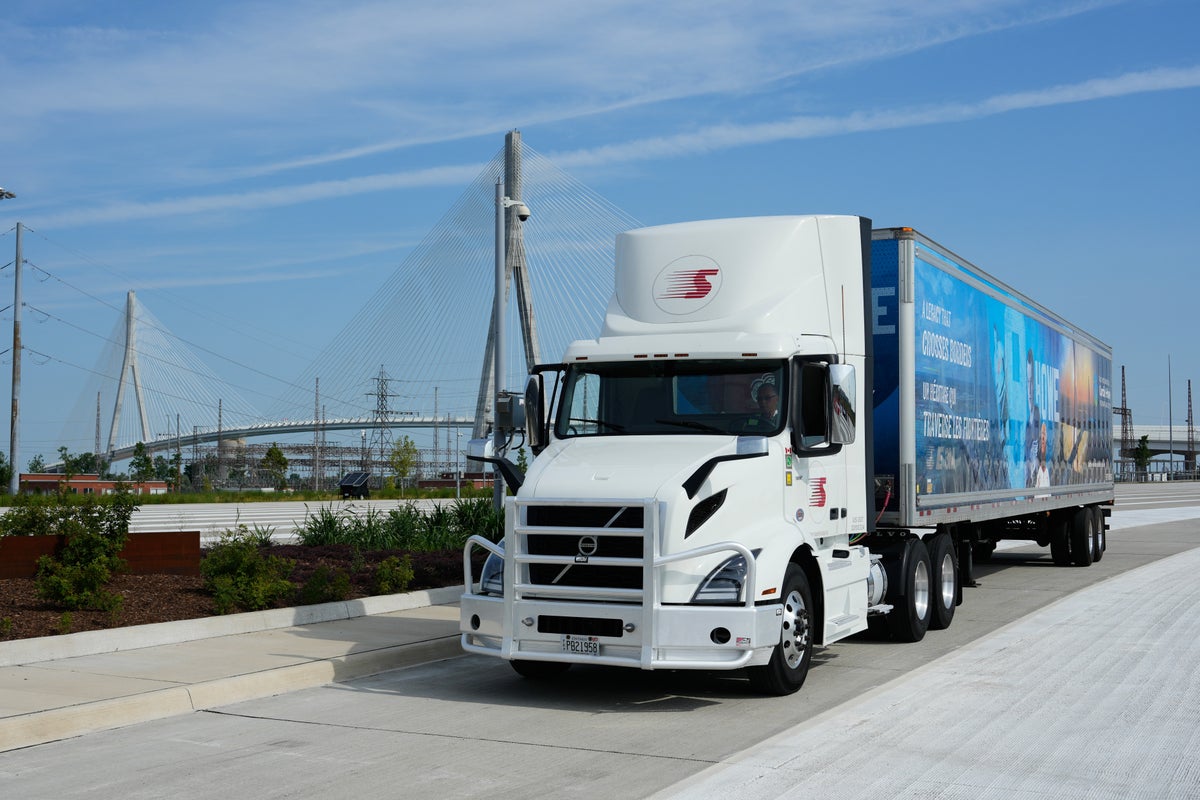
Cover image from independent.co.uk, which was analyzed for this article
New tariffs are being examined for their legal basis and effects on supply chains, with some viewing them as a forced-labor crackdown and others as a congressional bypass.
PoliticalOS
Monday, July 27, 2026 — Business
The tariffs rest on Section 301 authority tied to forced-labor claims after an earlier legal setback, yet their long-term durability and precise effects on specific supply chains remain open questions that neither account fully resolves.
What outlets missed
The Section 301 legal mechanism and its explicit link to forced-labor prohibitions were described in detail by one outlet but received no mention in the other, leaving the policy's statutory basis unexamined. Neither account provided data on the volume or specific categories of goods affected beyond broad percentages, nor did they include reactions from labor-rights groups or supply-chain executives. The interaction between the tariffs and the ongoing Iran conflict, including potential energy-price feedback loops, was noted only in passing without further sourcing on projected fiscal or inflation impacts.
Gordie Howe Bridge Launches as Trump Hits Canada With New Tariffs
Traffic began moving across the Gordie Howe International Bridge on Monday, creating a direct six-lane link between Detroit and Windsor, Ontario, after years of delays and a nearly $6.4 billion investment funded entirely by Canada. The span replaces the Ambassador Bridge as the primary commercial route for trucks and is expected to ease congestion while supporting tourism and jobs on both sides of the border. Yet the opening unfolded under the weight of fresh U.S. tariffs on Canadian imports that took effect at midnight Friday.
The bridge, named for the late Detroit Red Wings star, rises 151 feet above the Detroit River and will soon allow pedestrian and cyclist crossings with proper identification. More than 70 percent of Canadian exports head to the United States, and Detroit remains the busiest truck crossing on the northern border. Construction started in 2018 and faced repeated setbacks, including from the COVID-19 pandemic. Canadian officials held a ribbon-cutting ceremony last week, but U.S. and Michigan representatives stayed away after President Trump announced the new duties.
Trump posted on Truth Social that Canada had “disinvited the United States of America” to the event, adding that this was acceptable because Canadians were now “paying substantial TARIFFS to the United States.” The 50 percent tariffs on Canadian goods form part of a wider package aimed at 60 trading partners, including the European Union, China and the United Kingdom. Rates range from 10 percent to 12.5 percent and replace an earlier 10 percent baseline that expired July 24.
The timing coincides with the sixth month of U.S. military operations against Iran and a rebound in oil prices above $100 a barrel. Analysts note that these tariffs arrive against a backdrop of global energy shocks and supply-chain strains rather than the stronger growth environment that accompanied earlier trade actions. Portfolio managers tracking the moves warn that the combination of higher duties, rising energy costs and existing bottlenecks points toward slower growth paired with persistent inflation.
Detroit’s role as a manufacturing hub means local businesses will feel the immediate effects. Parts and finished vehicles cross the border multiple times during assembly, so added costs could ripple through payrolls and investment decisions. Canadian exporters, already sending the bulk of their goods south, face new pressure to absorb or pass along the tariff burden at a moment when global demand remains uncertain.
The bridge itself was designed to modernize trade flows that have outgrown the aging Ambassador Bridge. Its completion removes a long-standing bottleneck, yet the policy environment surrounding its debut has introduced fresh friction. Officials on both sides of the border continue to project long-term gains from faster crossings, but the immediate outlook is clouded by the scale and persistence of the new trade barriers.
You just read Progressive's take. Want to read what actually happened?
More in Business & Economy

Business Activity Holds Up as Selling Prices Rise Fastest Since 2022
S&P Global PMI shows robust activity but selling prices rise at fastest pace since 2022 amid energy and supply chain costs. Halloween candy prices jump 7.7%.

Stock Futures Climb on Anthropic IPO Filing and AI Financing
Major indices rose on enthusiasm from Anthropic's IPO filing and broader AI infrastructure announcements including Meta's massive fundraising plans. Investors are betting heavily on continued AI growth despite valuation concerns.

Tariffs and AI Transition Fuel Growth and Job Worries
Trump's tariff rhetoric and AI-driven restructuring raised concerns about growth, inflation, and job impacts as markets reacted to geopolitical and tech shifts.

AI Companies Weigh Early IPOs as Risks Mount
Nasdaq fell sharply amid concerns over AI spending sustainability and data center costs; Nvidia, Meta, and others were hit as Meta and Tesla reported earnings.
The Compass
You just read five takes on one story.
What's your take? Find your political shape in a few minutes.
Take the test