
Trump-Xi Beijing Summit Advances Trade Amid Taiwan Warnings
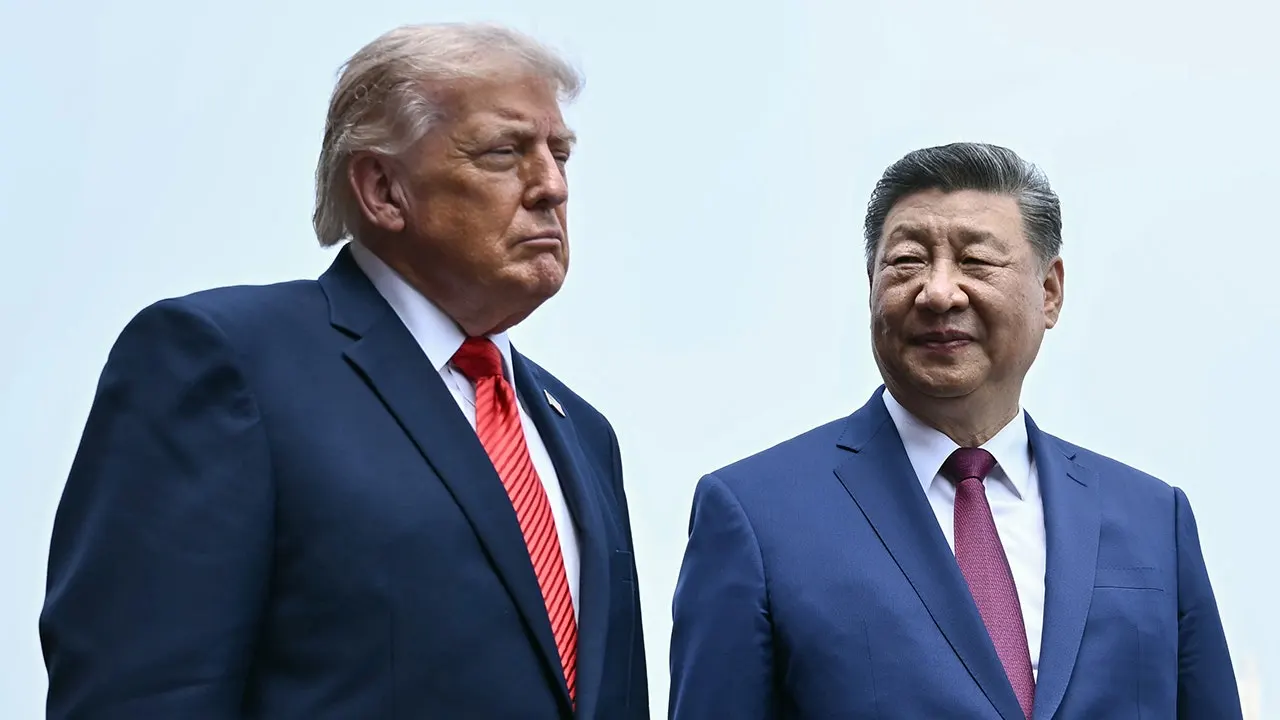
Cover image from foxnews.com, which was analyzed for this article
President Trump met Chinese President Xi Jinping in Beijing for a two-day summit focusing on trade tensions, Taiwan arms sales, technology restrictions, and Iran-related issues in the Strait of Hormuz. Xi warned that mishandling Taiwan could lead to 'great jeopardy' or conflict in bilateral relations. Accompanied by U.S. CEOs like Elon Musk and Tim Cook, Trump announced potential deals including China's order for 200 Boeing jets.
PoliticalOS
Wednesday, May 13, 2026 — Politics
The summit produced modest trade signals and a clear Chinese warning on Taiwan, yet left the most consequential security questions—arms sales, Iran mediation, and technology controls—unresolved. Readers should track whether follow-up meetings convert the cordial tone into verifiable agreements or simply defer hard choices.
What outlets missed
Several outlets omitted the White House’s explicit statement that both sides agreed Iran must never acquire a nuclear weapon and that the Strait of Hormuz must remain open without tolls. Most reporting also left out the specific figure of a potential 200-aircraft Boeing order discussed during the economic portion of the talks. Few noted that Taiwan’s own public-opinion surveys continue to show roughly 60 percent support for maintaining the status quo indefinitely, a data point that frames the sensitivity of any shift in U.S. arms policy. Finally, the presence of 17 U.S. CEOs whose firms hold combined market value exceeding $870 billion received little quantitative treatment despite its direct relevance to the trade agenda.
Global markets and security planners watched closely as Presidents Donald Trump and Xi Jinping opened a two-day summit in Beijing, where the stakes centered on whether economic incentives could offset risks of confrontation over Taiwan and disruptions in the Strait of Hormuz. The meeting tested whether personal rapport between the leaders could produce concrete steps on trade while containing flashpoints that have long strained the relationship.
Xi opened the formal session by identifying Taiwan as the central issue. According to the Chinese Foreign Ministry readout, he told Trump that mishandling the question would place bilateral ties in “great jeopardy,” adding that “Taiwan independence and cross-Strait peace are as irreconcilable as fire and water.” The White House account of the same closed-door discussion made no reference to Taiwan and instead highlighted agreements to expand market access for U.S. firms, increase Chinese purchases of American agricultural goods, and keep the Strait of Hormuz open to energy shipments. Both sides also stated that Iran must not obtain a nuclear weapon.
Trump arrived with a delegation that included Apple chief Tim Cook, Tesla’s Elon Musk, and Nvidia’s Jensen Huang. After the session he described the talks as “great” and later proposed a toast at the state banquet that invoked two centuries of U.S.-China commercial ties. Xi responded by calling for “strategic stability” and invited continued high-level contact. A potential order for 200 Boeing aircraft surfaced in discussions, though no signed contract was announced.
Public exchanges revealed the familiar pattern. Trump praised Xi’s leadership and predicted a “fantastic future together.” Xi stressed that common interests outweigh differences yet warned that poor handling of Taiwan could produce “clashes and even conflicts.” Reporters who asked Trump directly about Taiwan received no substantive reply. Secretary of State Marco Rubio later said U.S. policy on arms sales to Taiwan had not changed.
The summit left several questions open. No joint statement addressed technology export controls or rare-earth supply chains. Chinese state media emphasized Xi’s boundary-setting remarks; the White House emphasized commercial openings. Observers noted that any follow-through on Iran-related cooperation would require further negotiations whose terms remain unspecified. The two leaders are scheduled to meet again Friday morning before Trump departs.
More in Politics

Trump Rejects Iran's Seven-Day Hormuz Reopening Offer
President Trump dismissed Iran's offer to reopen the Strait of Hormuz in exchange for sanctions relief, calling it unacceptable amid ongoing Middle East tensions. The move follows indirect talks and is tied to midterm political calculations.
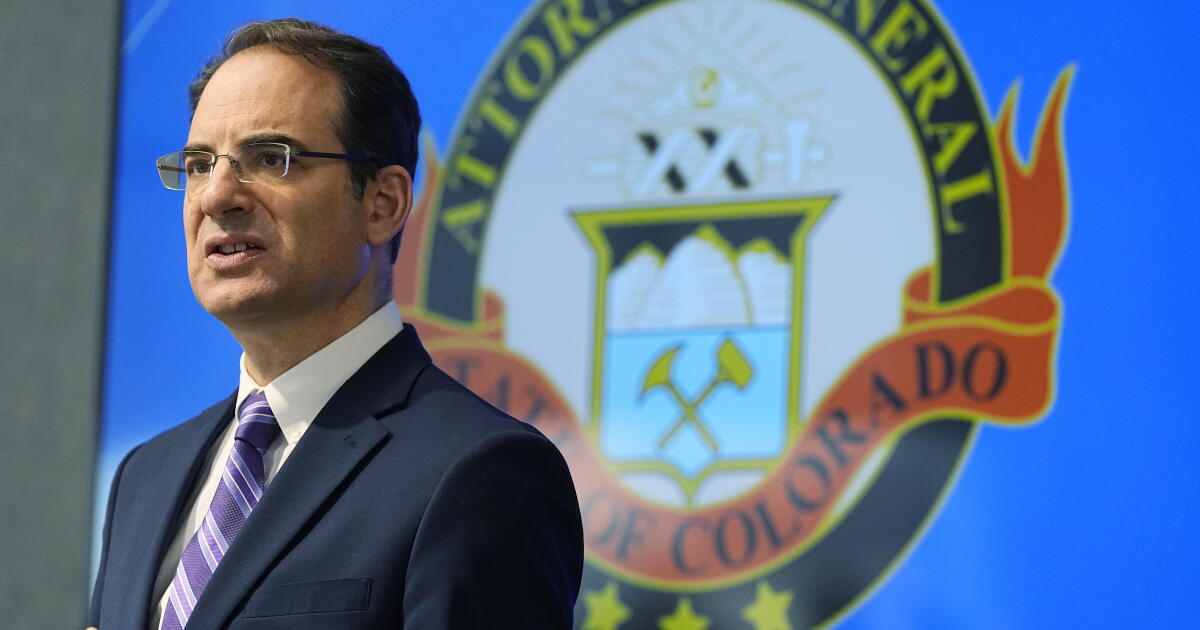
Democrats Outline Post-Midterm Oversight of Trump Administration
If Democrats win the midterms, expansive investigations into Trump, his family, and administration are planned, with impeachment as a possible tool.
White House Drops CNN from Air Force One Pool After Court Ruling
The Trump administration barred CNN from the presidential travel pool for a trip to Tennessee, escalating a dispute over media access despite a recent court order restoring some outlets' White House credentials. Left-leaning outlets framed it as a First Amendment crisis while right-leaning sources portrayed it as justified pushback against biased coverage.
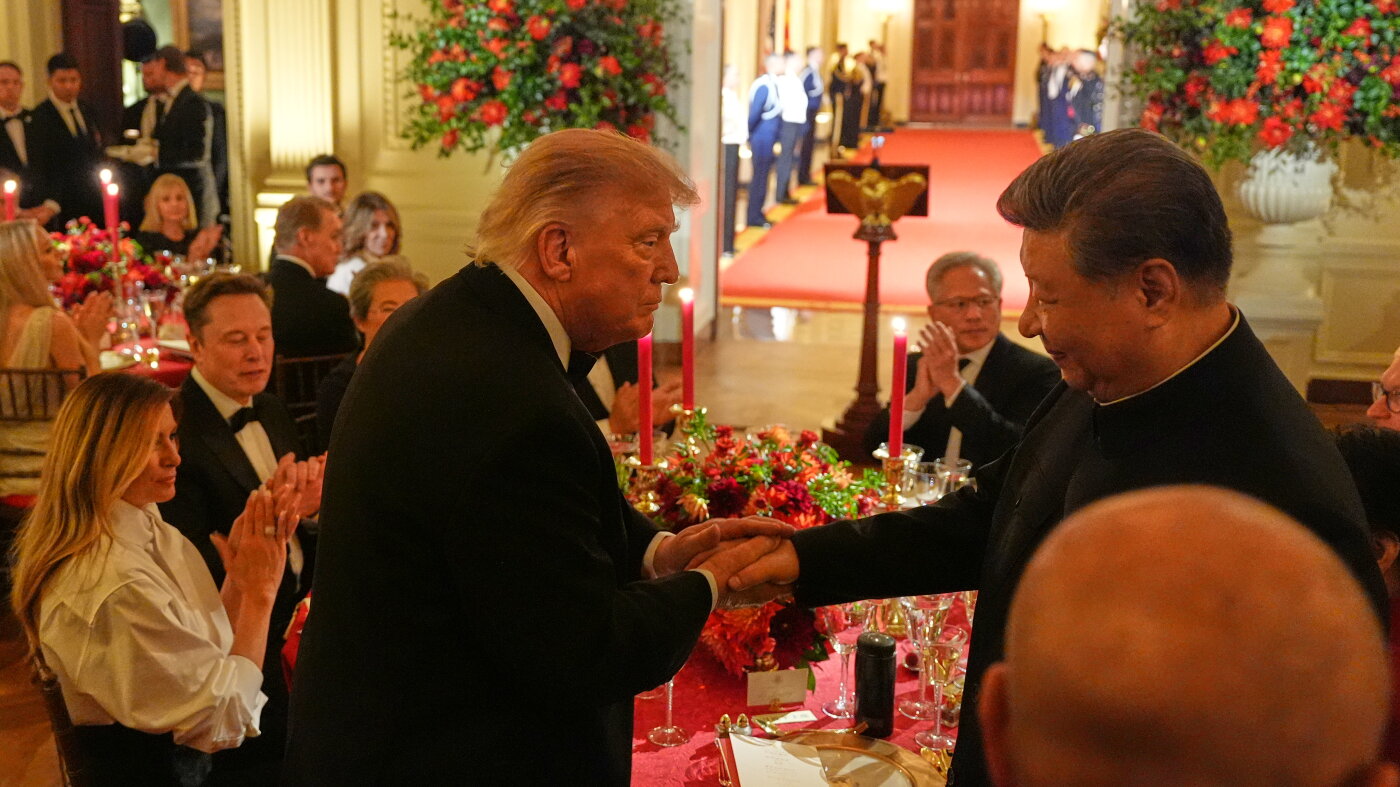
Trump Hosts Xi for State Dinner Focused on Pageantry Amid Trade and AI Strains
President Trump welcomed Chinese President Xi Jinping for high-profile talks on trade, tariffs, AI, and bilateral rivalry, featuring a White House tour and state dinner with tech executives. Coverage highlighted symbolic pomp over major breakthroughs, with both sides maintaining a cordial tone amid persistent tensions.
The Compass
You just read five takes on one story.
What's your take? Find your political shape in a few minutes.
Take the test