
US hits $20B Canadian goods with 50% tariffs after talks collapse
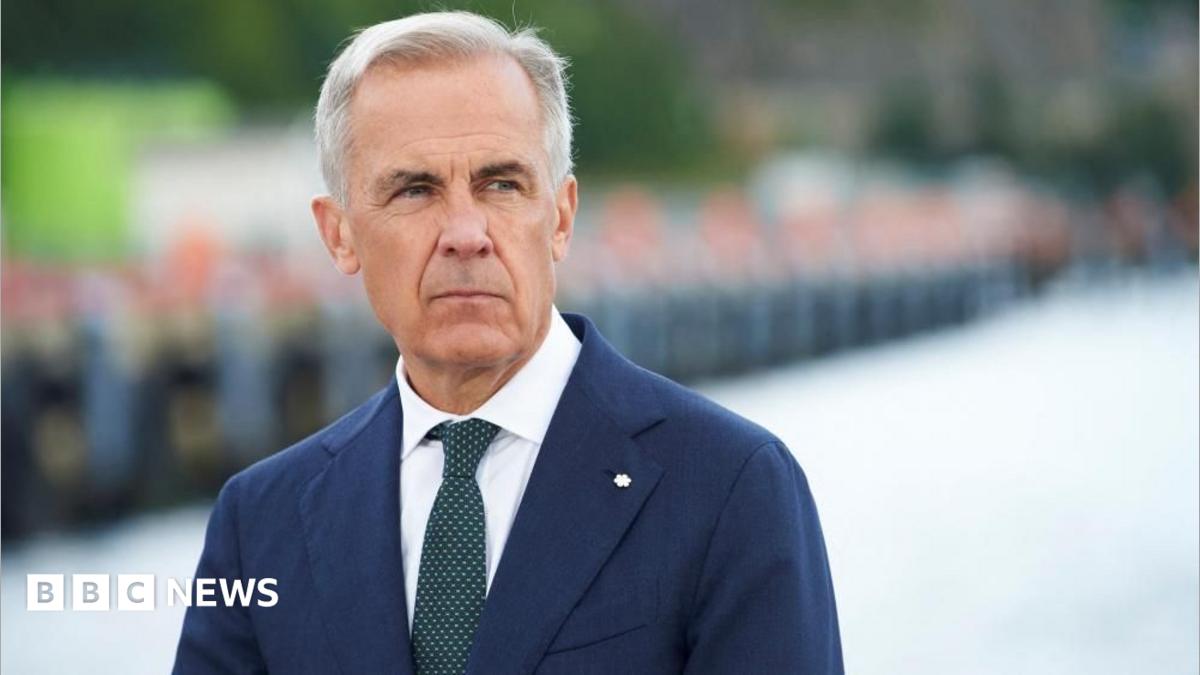
Cover image from bbc.co.uk, which was analyzed for this article
Negotiations failed at the last minute, triggering tariffs on roughly 5% of Canadian exports including wine, cement and hockey sticks. Canada vowed to retaliate dollar-for-dollar while markets reacted to the renewed trade war.
PoliticalOS
Saturday, August 22, 2026 — Business
The tariffs took effect after both governments accused the other of derailing a near-deal in the final hours. The immediate economic scope is limited to 5 percent of Canadian exports, yet the breakdown raises the stakes for broader USMCA renewal talks and future tariff escalation between the two countries.
What outlets missed
Most reports omitted that Trump had granted a three-day extension of the original Wednesday deadline to allow final documents to be completed. Few mentioned the specific legal authority invoked—Section 338 of the Tariff Act of 1930—or the exemptions carved out for Canadian energy, potash and critical minerals. Coverage rarely noted that formal USMCA renewal talks with Mexico have already begun while talks with Canada have not, or that the new tariffs sit alongside a year of on-and-off tariff threats and retaliatory measures.
US Canada Trade Negotiations End Without Agreement as Tariffs Activate
Trade talks between the United States and Canada broke down late Friday night, leading both governments to activate matching 50 percent tariffs on billions of dollars in goods. The tariffs took effect early Saturday on roughly $20 billion of Canadian exports to the US market, including items such as steel, aluminum, autos, lumber, hockey sticks, and medical supplies.
Canadian Prime Minister Mark Carney announced the suspension of negotiations minutes before the midnight deadline, stating that last-minute shifts in US terms made any agreement unreliable. He directed Canadian negotiators to return to Ottawa and pledged that Canada would impose equivalent tariffs on US products to shield domestic workers and businesses. US Trade Representative Jamieson Greer countered that Canada had rejected finalized terms reached earlier in the week and introduced new demands that upset the balance of the proposed deal.
The volume of affected trade represents just over 5 percent of Canada's annual exports to the United States. Certain Canadian commodities, including energy products, were carved out of the new duties. The measures stem from earlier threats by the Trump administration to apply broad penalties unless concessions were secured on specific sectors.
Both sides had conducted intensive discussions over several days after an initial pause in tariff enforcement. Progress was reported on some issues, yet fundamental gaps remained over concessions on steel, aluminum, autos, and lumber. Canadian officials sought relief from existing US duties in those areas, while US negotiators offered targeted reductions in exchange for commitments from Ottawa.
The pattern of reciprocal tariffs illustrates how barriers imposed by one government prompt matching actions from the other. Importers on each side of the border absorb the added costs, which are typically passed along to downstream businesses and final consumers. Historical episodes of similar trade friction show that such steps reduce overall exchange volumes without delivering sustained gains in domestic production or employment.
Canada's response includes plans for additional support measures for affected industries, though the precise form remains unspecified. The collapse also complicates prospects for renewing the broader US-Mexico-Canada trade framework, as ongoing disputes over tariffs raise the risk of further escalation. Data from the first half of the year place bilateral goods trade at $376 billion, underscoring the scale of commercial ties now subject to new frictions.
Observers note that the dispute centers on political calculations rather than clear evidence that tariffs improve resource allocation across the two economies. Each government frames its position as defensive, yet the outcome leaves both sets of producers and buyers facing higher input prices and reduced market access.
You just read Conservative's take. Want to read what actually happened?
More in Business & Economy

Business Activity Holds Up as Selling Prices Rise Fastest Since 2022
S&P Global PMI shows robust activity but selling prices rise at fastest pace since 2022 amid energy and supply chain costs. Halloween candy prices jump 7.7%.

Stock Futures Climb on Anthropic IPO Filing and AI Financing
Major indices rose on enthusiasm from Anthropic's IPO filing and broader AI infrastructure announcements including Meta's massive fundraising plans. Investors are betting heavily on continued AI growth despite valuation concerns.

Tariffs and AI Transition Fuel Growth and Job Worries
Trump's tariff rhetoric and AI-driven restructuring raised concerns about growth, inflation, and job impacts as markets reacted to geopolitical and tech shifts.

AI Companies Weigh Early IPOs as Risks Mount
Nasdaq fell sharply amid concerns over AI spending sustainability and data center costs; Nvidia, Meta, and others were hit as Meta and Tesla reported earnings.
The Compass
You just read five takes on one story.
What's your take? Find your political shape in a few minutes.
Take the test