
US hits $20B Canadian goods with 50% tariffs after talks collapse
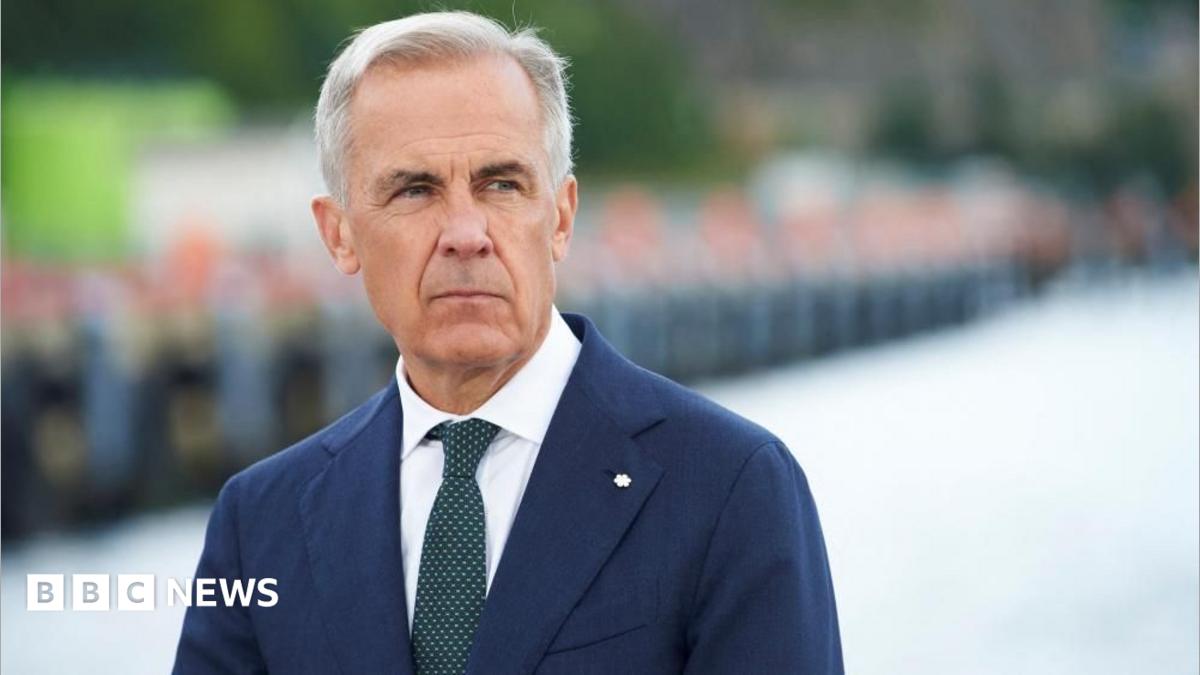
Cover image from bbc.co.uk, which was analyzed for this article
Negotiations failed at the last minute, triggering tariffs on roughly 5% of Canadian exports including wine, cement and hockey sticks. Canada vowed to retaliate dollar-for-dollar while markets reacted to the renewed trade war.
PoliticalOS
Saturday, August 22, 2026 — Business
The tariffs took effect after both governments accused the other of derailing a near-deal in the final hours. The immediate economic scope is limited to 5 percent of Canadian exports, yet the breakdown raises the stakes for broader USMCA renewal talks and future tariff escalation between the two countries.
What outlets missed
Most reports omitted that Trump had granted a three-day extension of the original Wednesday deadline to allow final documents to be completed. Few mentioned the specific legal authority invoked—Section 338 of the Tariff Act of 1930—or the exemptions carved out for Canadian energy, potash and critical minerals. Coverage rarely noted that formal USMCA renewal talks with Mexico have already begun while talks with Canada have not, or that the new tariffs sit alongside a year of on-and-off tariff threats and retaliatory measures.
US Canada Trade Talks Collapse Ahead of New Tariffs
Trade negotiations between the United States and Canada broke down late Friday night, just before a midnight deadline, setting in motion 50 percent tariffs on roughly $20 billion worth of Canadian exports. Canadian Prime Minister Mark Carney suspended the talks and directed his negotiators to return to Ottawa, while vowing to impose matching tariffs on American goods. The United States Trade Representative countered that Canada had walked away from terms reached earlier in the week.
The tariffs, which took effect early Saturday, cover a narrow slice of bilateral trade, about 5 percent of Canadian shipments to the US market. Affected items include wooden hockey sticks, tongue depressors and other manufactured goods, though energy products, potash and critical minerals were carved out. Both governments framed the outcome as the other side’s fault. Carney said last-minute US changes rendered any agreement unreliable and unfair. US Trade Representative Jamieson Greer said Canada introduced new demands that upset a carefully balanced package.
The collapse came after weeks of talks that began when President Trump threatened the tariffs in July and then paused them to allow negotiations. Canada had sought relief on existing duties affecting steel, aluminum, autos and lumber. The Trump administration offered some reductions in those areas in exchange for Canadian concessions, according to officials familiar with the discussions. Carney’s government, however, concluded the final package did not meet Canadian objectives and carried too much political risk at home.
The breakdown carries implications beyond the immediate tariffs. It occurs against the backdrop of upcoming talks to renew or revise the US-Mexico-Canada Agreement, the successor to NAFTA. A failure to resolve this dispute cleanly makes those broader negotiations more difficult, as both sides now enter them with fresh grievances and reduced trust. For Carney, who campaigned on a willingness to resist US pressure, the decision to walk away aligns with domestic sentiment that favors standing firm. For Trump, the tariffs fulfill a long-standing campaign promise to use trade leverage aggressively, even against close allies.
The economic effects are likely to be contained in the short term. The targeted volume is modest relative to the $376 billion in goods traded in the first half of the year. Businesses on both sides of the border have already adjusted supply chains in response to earlier tariff threats, and the exclusions for key commodities limit the hit to energy and resource sectors. Still, the episode signals that tariff threats will remain a recurring feature of US trade policy rather than an exceptional tool. That pattern raises costs for firms that must plan around shifting duties and encourages further diversification of supply chains away from North American integration.
Both governments have indicated they will provide support to affected industries. Carney said additional measures for workers and businesses would be announced soon. The Trump administration has not detailed offsetting steps. The episode also underscores how domestic political constraints shape trade outcomes. Carney faces pressure not to appear to concede too much to Washington. Trump’s approach treats tariff authority as a flexible instrument for extracting concessions, a stance that leaves little room for the incremental compromises that usually sustain long-running trade relationships.
The result is a sharper break in the day-to-day management of the world’s largest trading partnership. While the tariffs themselves may prove reversible through future talks, the erosion of predictability in the relationship is harder to restore.
You just read Liberal's take. Want to read what actually happened?
More in Business & Economy

Business Activity Holds Up as Selling Prices Rise Fastest Since 2022
S&P Global PMI shows robust activity but selling prices rise at fastest pace since 2022 amid energy and supply chain costs. Halloween candy prices jump 7.7%.

Stock Futures Climb on Anthropic IPO Filing and AI Financing
Major indices rose on enthusiasm from Anthropic's IPO filing and broader AI infrastructure announcements including Meta's massive fundraising plans. Investors are betting heavily on continued AI growth despite valuation concerns.

Tariffs and AI Transition Fuel Growth and Job Worries
Trump's tariff rhetoric and AI-driven restructuring raised concerns about growth, inflation, and job impacts as markets reacted to geopolitical and tech shifts.

AI Companies Weigh Early IPOs as Risks Mount
Nasdaq fell sharply amid concerns over AI spending sustainability and data center costs; Nvidia, Meta, and others were hit as Meta and Tesla reported earnings.
The Compass
You just read five takes on one story.
What's your take? Find your political shape in a few minutes.
Take the test