
US, Canada Negotiate to Block 50% Tariffs on $20 Billion Goods
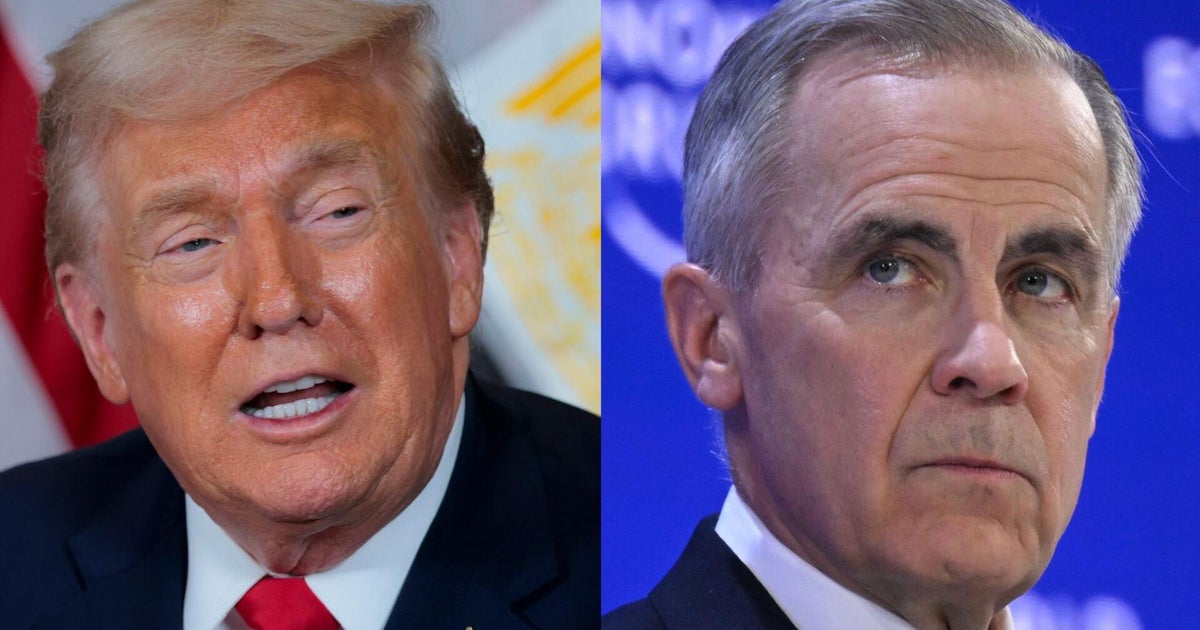
Cover image from cbsnews.com, which was analyzed for this article
Last-minute negotiations are underway to avert steep new US tariffs on Canadian goods worth $20 billion as trade tensions rise.
PoliticalOS
Tuesday, August 18, 2026 — Business
Negotiations center on concrete U.S. demands for military purchases and mineral access in exchange for tariff relief, set against a legal mechanism that requires no further investigation. The outcome will determine whether existing trade frictions escalate or remain contained ahead of the November midterms.
What outlets missed
Both outlets omitted the precise sequence in which Canada applied retaliatory tariffs before the Section 338 announcement, a timeline cited by U.S. officials as justification. Neither article examined data on the specific Canadian practices in autos, alcohol, and cheese that the administration claims constitute discrimination. Coverage also underplayed the fact that most Canadian goods currently enter the United States duty-free under the USMCA, limiting the immediate scope of new duties to about 5 percent of Canadian exports.
Trade between the United States and Canada faces immediate disruption if new tariffs take effect at 12:01 a.m. Wednesday. The proposed 50 percent duties would cover roughly $20 billion in Canadian exports, including items such as hockey sticks and tongue depressors, and would be paid by U.S. importers who may pass costs to consumers.
The central tension is whether last-minute talks can produce concessions that satisfy both governments before the deadline. Canadian Prime Minister Mark Carney described the discussions as intense and delicate and declined to provide details. U.S. Trade Representative Jamieson Greer said the administration would not tolerate retaliation and noted that Canada appeared open to a more conciliatory path.
Negotiators are addressing several U.S. demands. These include increased Canadian purchases of American military equipment such as F-35 fighters, participation in a proposed missile-defense system, and expanded access to critical minerals to reduce reliance on supplies from China. Canada seeks relief from existing U.S. tariffs on steel, aluminum, and softwood lumber, which Washington has long argued receive unfair subsidies.
The legal basis for the new tariffs is Section 338 of the Tariff Act of 1930. This provision allows the president to impose duties of up to 50 percent on imports from countries found to discriminate against U.S. businesses, without requiring a prior investigation. President Trump cited discrimination in autos, alcohol, and cheese. The same statute has not been used in nearly a century.
The current round follows earlier tariff actions. Last year the administration imposed broad duties justified by the trade deficit; the Supreme Court later struck those measures down. In July the administration applied 10 to 12.5 percent tariffs on dozens of countries, including Canada, for alleged failures to restrict forced-labor imports. Canada responded with retaliatory measures, as did China.
Public reaction in Canada has been sharp. A petition calling for the expulsion of U.S. Ambassador Pete Hoekstra has gathered nearly 218,000 signatures. Canadian officials have warned that any deal must avoid the appearance of one-sided concessions to prevent domestic backlash.
Nearly 72 percent of Canadian goods exports last year went to the United States, while daily cross-border trade exceeds $2 billion. Both governments have indicated they prefer to avoid the new tariffs, according to Ryan Majerus, a former U.S. trade official now at King & Spalding. The U.S. midterm elections in November add pressure to limit further increases in consumer prices.
More in Business & Economy

Major Banks Deliver Mixed Q3 Results on Trading Beats
JPMorgan, Goldman Sachs, Citigroup, and Wells Fargo reported Q3 figures, with revenue beats in trading but some estimate misses. CNBC provided live updates on the results and market reactions.

Oil Falls on Russian Diesel Outlook Despite Geopolitical Risks
Dow futures rose while Nasdaq faced pressure from tech weakness and elevated oil after geopolitical spikes. CNBC tracked premarket moves tied to earnings and Fed speeches.

Hall and Woodford Win Economics Nobel for Stabilization Models
American economists Robert E. Hall and Michael Woodford won the Nobel memorial prize for their research on managing economies through booms and busts, informing central bank policies on inflation and unemployment.

Skydance Closes Paramount-Warner Bros. Discovery Deal
The long-delayed media mega-merger cleared hurdles and began operations under Skydance, consolidating Hollywood power. Center and center-left outlets track the regulatory and business milestones.
The Compass
You just read five takes on one story.
What's your take? Find your political shape in a few minutes.
Take the test